
[论文解读] A Comprehensive Review on Financial Explainable AI
对金融领域 FinXAI 方法的对比综述,阐述模型和结果的可解释性、受众以及伦理目标,并提出面向受众的解释框架。
The success of artificial intelligence (AI), and deep learning models in particular, has led to their widespread adoption across various industries due to their ability to process huge amounts of data and learn complex patterns. However, due to their lack of explainability, there are significant concerns regarding their use in critical sectors, such as finance and healthcare, where decision-making transparency is of paramount importance. In this paper, we provide a comparative survey of methods that aim to improve the explainability of deep learning models within the context of finance. We categorize the collection of explainable AI methods according to their corresponding characteristics, and we review the concerns and challenges of adopting explainable AI methods, together with future directions we deemed appropriate and important.
研究动机与目标
- 界定 FinXAI 及其在金融领域的相关性。
- 按透明度、接近度、解释过程和受众对可解释性方法进行分类。
- 分析金融可解释性的伦理目标及利益相关者需求。
- 概括可解释性可融入的设计工作流程位置。
- 讨论金融领域 FinXAI 应用面临的挑战和未来方向。
提出的方法
- 针对金融可解释性领域的 69 篇论文进行定向文献综述。
- 使用一个分类法对方法进行分类:透明度(内在 vs 事后)、接近度(局部 vs 全局)、解释过程(文本、可视化、按例子、简化、特征相关性)、受众、数据分析,以及解释类型(事实性、对抗性/反事实)。
- 区分在信贷评估、金融预测和金融分析中的应用。
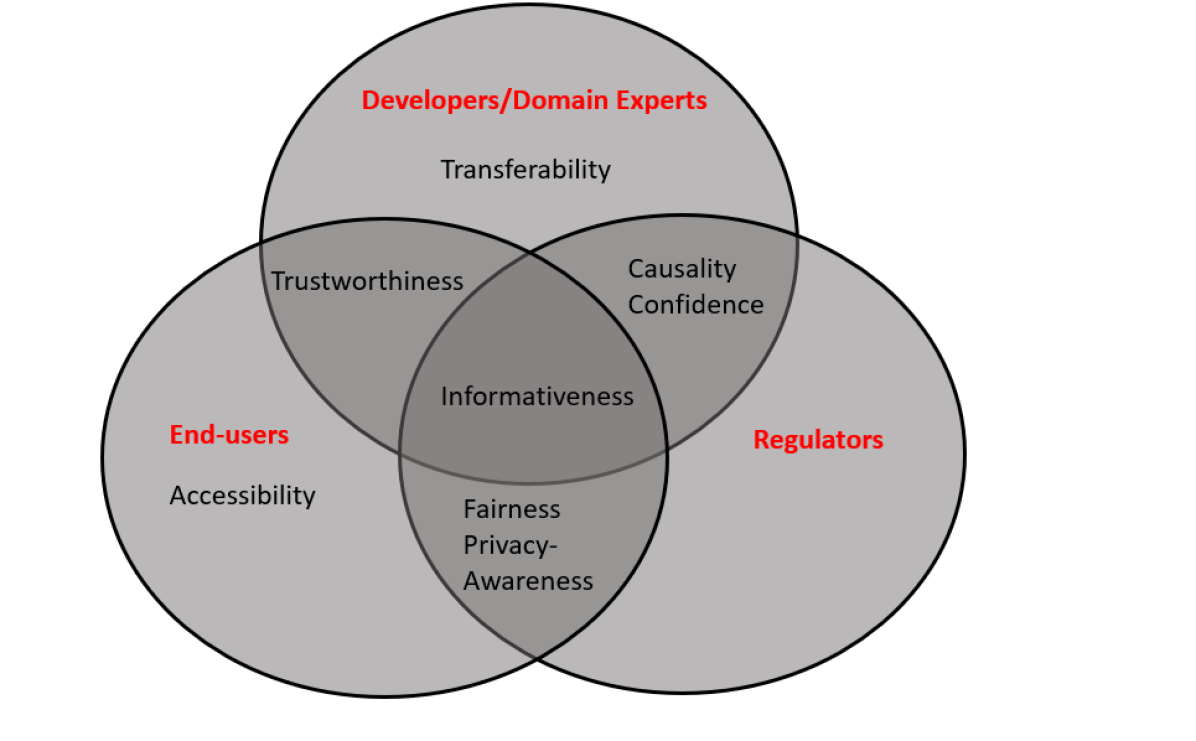
- 评估解释与伦理目标(信任、公正、信息性、可访问性、隐私、信心、因果性、可迁移性)的一致性。
- 提出一个 FinXAI 流程框架,使解释与目标受众和用例保持一致。
实验结果
研究问题
- RQ1为金融领域提出了哪些 FinXAI 方法?它们在透明度和解释形式上有何差异?
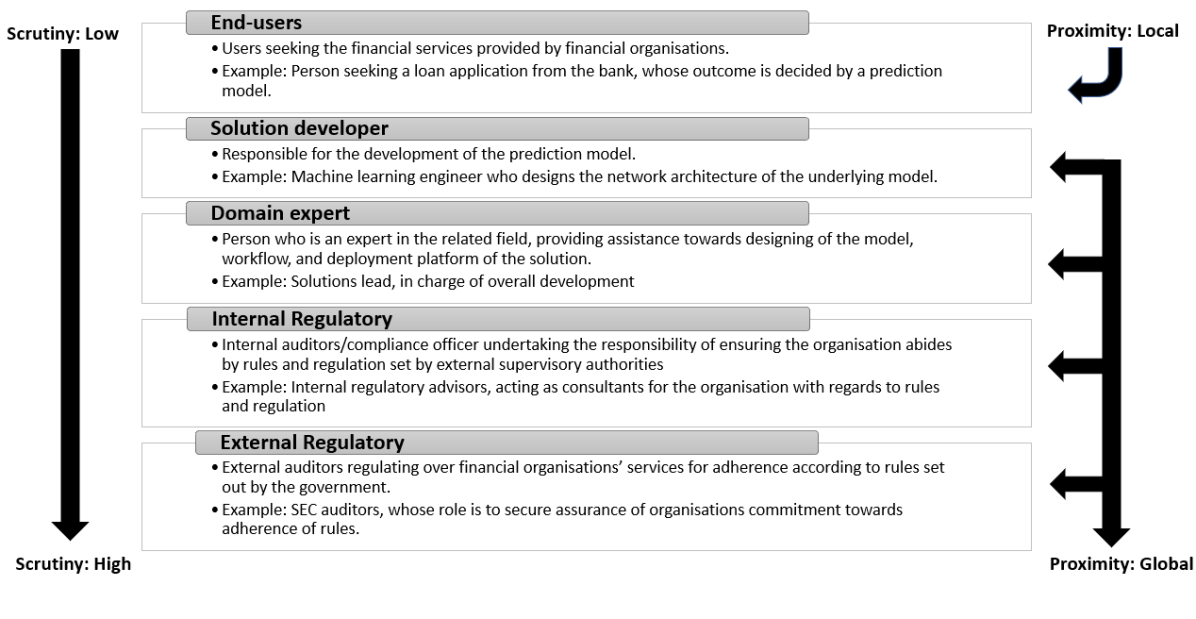
- RQ2在金融领域,如何将解释针对不同受众(最终用户、开发者、监管者)进行定制?
- RQ3FinXAI 技术解决了哪些伦理目标?在采用方面还存在哪些挑战?
- RQ4在模型开发生命周期的何处可以整合可解释性以实现最大影响?
- RQ5当前 FinXAI 文献中的普遍趋势(如事后 vs 内在)与存在的空白点有哪些?
主要发现
- 大多数综述论文关注事后可解释性而非内在模型。
- 最终用户更偏好局部解释,而监管者及专家寻求全局解释以获得对整个模型的全面理解。
- 文本、可视化和基于示例的解释并存,特征相关性解释较为普遍。
- 对抗性/反事实解释被明确视为在金融领域受欢迎的解释形式。
- 解释与伦理目标保持一致,如可信度、公正性、信息性、可访问性、对隐私的认知、信心、因果性和可迁移性。
- 本文提供了一个将 FinXAI 技术与面向受众的目标对齐的框架,并讨论了实现挑战与未来方向。
更好的研究,从现在开始
从阅读论文到最终审阅,大幅缩短您的研究时间。
无需绑定信用卡
本解读由 AI 生成,并经人工编辑审核。