
[论文解读] A Review of Digital Learning Environments for Teaching Natural Language Processing in K-12 Education
本文综述了用于K-12教育中自然语言处理(NLP)教学的数字学习环境,分析了通过直观、无需编程的界面支持情感分析和文本分类等NLP任务的工具。研究识别出针对年幼儿童在可及性、个性化和教学支持方面的关键缺口,并提出了设计改进建议,以增强NLP教育中的可解释性、包容性和适合年龄的参与度。
Natural Language Processing (NLP) plays a significant role in our daily lives and has become an essential part of Artificial Intelligence (AI) education in K-12. As children grow up with NLP-powered applications, it is crucial to introduce NLP concepts to them, fostering their understanding of language processing, language generation, and ethical implications of AI and NLP. This paper presents a comprehensive review of digital learning environments for teaching NLP in K-12. Specifically, it explores existing digital learning tools, discusses how they support specific NLP tasks and procedures, and investigates their explainability and evaluation results in educational contexts. By examining the strengths and limitations of these tools, this literature review sheds light on the current state of NLP learning tools in K-12 education. It aims to guide future research efforts to refine existing tools, develop new ones, and explore more effective and inclusive strategies for integrating NLP into K-12 educational contexts.
研究动机与目标
- 考察现有的在K-12教育环境中教授NLP概念的数字学习环境。
- 分析这些工具如何通过情感分析、文本分类和词性标注等具体NLP任务支持教学。
- 评估这些工具在课堂环境中的可解释性、可用性和教育有效性。
- 识别当前NLP教育工具中的关键缺口,特别是针对年幼儿童和多样化学生群体。
- 为未来开发包容性、适合年龄且具有教学有效性的NLP学习环境提供可操作的设计启示。
提出的方法
- 对聚焦于K-12教育中NLP教学的数字学习环境进行了全面的文献综述。
- 根据支持的NLP任务、界面设计和目标学段对工具进行分类。
- 评估工具在可解释性、支架式支持、模型评估和部署能力方面的表现。
- 通过分析用户研究和评估结果,评估教育环境中学习成效和可用性。
- 通过主题分析工具功能和报告结果,识别出反复出现的设计模式和局限性。
- 将研究发现整合为六个关键研究缺口,并为未来工具开发提出设计启示。
实验结果
研究问题
- RQ1当前K-12教育中的数字学习环境支持哪些类型的NLP任务?
- RQ2这些工具如何通过可解释性、可视化和支架式支持来促进学生的理解?
- RQ3现有NLP学习工具在可及性、个性化和适合年龄方面的主要局限性是什么?
- RQ4当前工具如何在教育环境中评估学生的学习成效和模型性能?
- RQ5哪些教学策略和设计特征最能有效吸引K-12学生参与NLP学习?
主要发现
- 大多数NLP学习工具聚焦于初中和高中生,对11岁以下儿童的支持有限。
- 现有工具通常缺乏个性化的支架式支持,导致不同技能水平的学习者学习成效不佳。
- 工具中的评估指标常不完善,对模型可解释性和学生反馈的支持有限。
- 很少有工具提供关于NLP模型工作原理的有意义解释,降低了学生对核心NLP过程的概念理解。
- 学习活动中缺乏真实世界且具有文化相关性的数据整合,限制了学生的参与度和伦理意识。
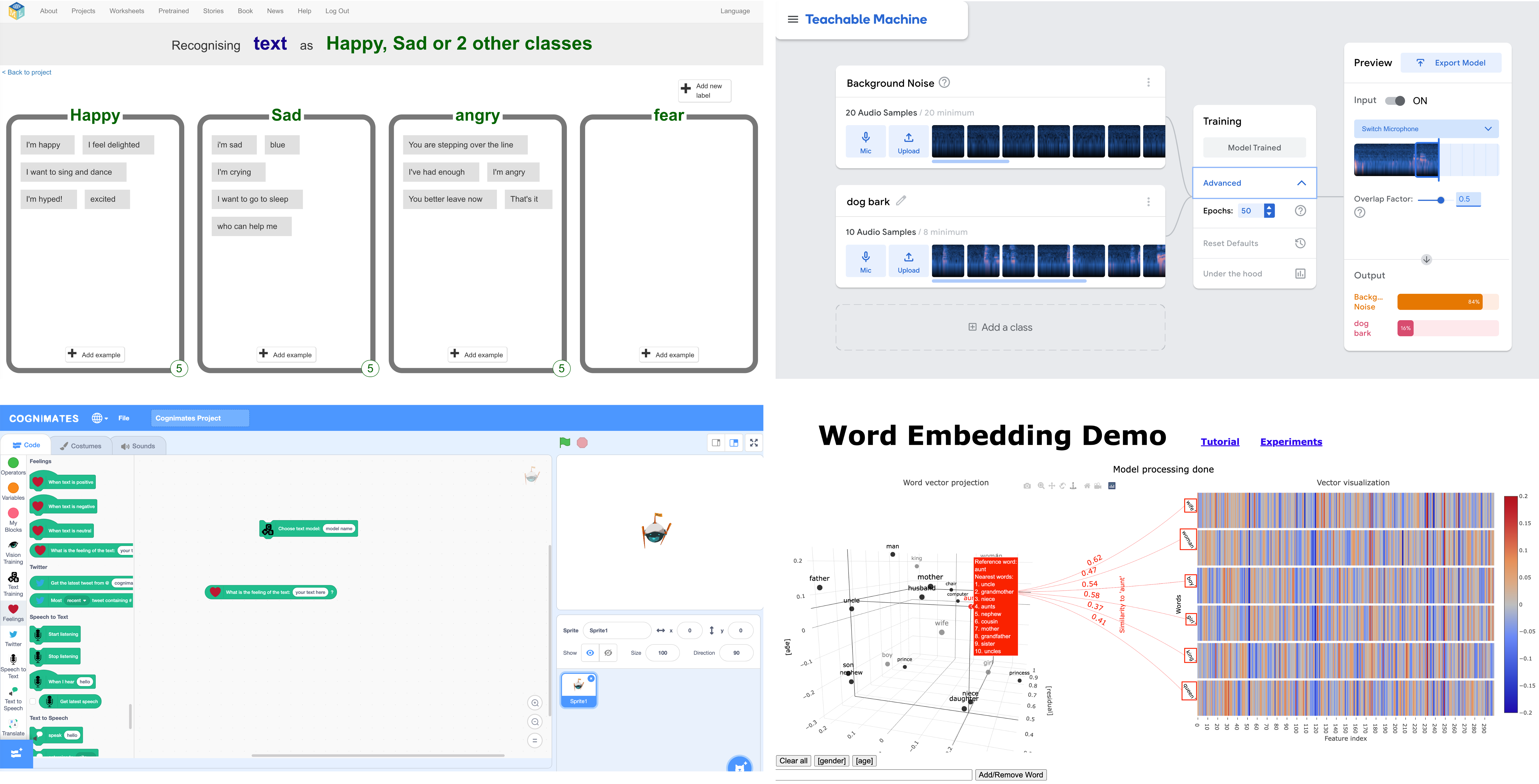
- 尽管通用AI工具如Teachable Machine已可用,但专门的NLP学习环境在K-12课堂中仍发展不足且应用不广泛。
更好的研究,从现在开始
从阅读论文到最终审阅,大幅缩短您的研究时间。
无需绑定信用卡
本解读由 AI 生成,并经人工编辑审核。