
[论文解读] A Sound Algorithm for Asynchronous Session Subtyping and its Implementation
本文提出了一种基于共归纳子类型关系的树表示的可靠但不完整的算法,用于检查异步会话子类型。该算法通过检测无限成功子树的有限见证来判断子类型关系,从而实现对具有无界异步性的系统中会话类型的实用验证,并在工具中实现了该算法,可在数秒内高效处理真实世界中的示例。
Session types, types for structuring communication between endpoints in distributed systems, are recently being integrated into mainstream programming languages. In practice, a very important notion for dealing with such types is that of subtyping, since it allows for typing larger classes of system, where a program has not precisely the expected behaviour but a similar one. Unfortunately, recent work has shown that subtyping for session types in an asynchronous setting is undecidable. To cope with this negative result, the only approaches we are aware of either restrict the syntax of session types or limit communication (by considering forms of bounded asynchrony). Both approaches are too restrictive in practice, hence we proceed differently by presenting an algorithm for checking subtyping which is sound, but not complete (in some cases it terminates without returning a decisive verdict). The algorithm is based on a tree representation of the coinductive definition of asynchronous subtyping; this tree could be infinite, and the algorithm checks for the presence of finite witnesses of infinite successful subtrees. Furthermore, we provide a tool that implements our algorithm. We use this tool to test our algorithm on many examples that cannot be managed with the previous approaches, and to provide an empirical evaluation of the time and space cost of the algorithm.
研究动机与目标
- 通过提出一种可靠但不完整的算法,避免语法限制或通信有界性,以应对异步会话子类型的不可判定性问题。
- 支持使用无界FIFO通道的系统中会话类型的实用子类型检查,这类通道在现代语言(如Go和Rust)中很常见。
- 提供一个工具,支持经验评估,并能处理先前方法无法处理的复杂非平凡示例。
- 建立异步会话子类型与通信机安全性的联系,从而支持无死锁行为的验证。
- 为未来扩展至多参与方会话类型以及通信协议中的抢占机制奠定基础。
提出的方法
- 将异步子类型的共归纳定义表示为潜在无限的树,其中节点对应于子类型判断。
- 使用有限状态探索策略检测树中的环,其中重复状态作为无限成功子树的见证。
- 应用带有记忆化的深度优先搜索,以避免对等价子类型状态的冗余探索。
- 基于检测到的先前访问状态集合引入终止条件,即使在树为无限时也能保证可靠性。
- 在工具中实现该算法,支持会话类型的解析、子类型树的构建以及无限成功子树的有限见证检查。
- 通过剪枝和缓存技术优化算法,以提升在典型通信协议上的性能。
实验结果
研究问题
- RQ1能否设计一种可靠的异步会话子类型检查算法,以避免一般问题的不可判定性?
- RQ2该算法能否处理涉及无界异步性和复杂消息排序模式的非平凡示例?
- RQ3是否能够通过有限见证检测无限成功子树,从而实现实用的子类型检查?
- RQ4该算法在来自生产代码的现实会话类型(如Go或Rust中的示例)上的性能如何扩展?
- RQ5该算法能否在未来工作中扩展以支持多参与方会话类型或抢占机制?
主要发现
- 该算法是可靠的:若返回‘子类型’,则子类型关系成立;若返回‘非子类型’,则关系不成立。
- 对于每个通道包含三到四个通信原语、平均两个分支选择的典型会话类型,该算法在一秒内终止。
- 实现成功验证了先前方法(受限于有界异步性或语法限制)无法处理的示例。
- 该算法通过重复状态集合的有限见证检测到无限成功子树,从而在非平凡情况下实现可靠的子类型判断。
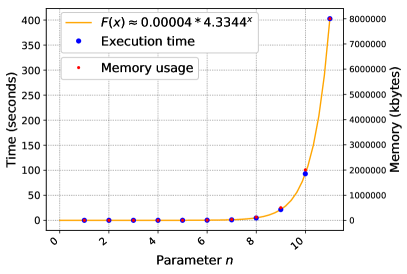
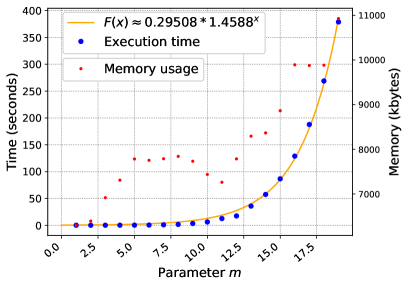
- 经验评估证实,尽管在状态集合枚举上存在最坏情况下的指数复杂度,该算法仍具有实用性。
- 该方法建立了异步会话子类型与通信机安全性之间的对应关系,支持无死锁行为的验证。
更好的研究,从现在开始
从阅读论文到最终审阅,大幅缩短您的研究时间。
无需绑定信用卡
本解读由 AI 生成,并经人工编辑审核。