
[论文解读] Adapting LLMs for Efficient Context Processing through Soft Prompt Compression
该论文提出 SoftPromptComp,一种通过结合自然语言摘要与可训练的软提示(soft prompts)来压缩大语言模型(LLMs)长上下文的框架,以生成紧凑且语义丰富的表示。通过动态压缩输入上下文并利用加权机制优化信息保留,该方法将处理时间最多减少 80.1%,同时在多个自然语言处理任务中保持或提升模型性能。
The rapid advancement of Large Language Models (LLMs) has inaugurated a transformative epoch in natural language processing, fostering unprecedented proficiency in text generation, comprehension, and contextual scrutiny. Nevertheless, effectively handling extensive contexts, crucial for myriad applications, poses a formidable obstacle owing to the intrinsic constraints of the models' context window sizes and the computational burdens entailed by their operations. This investigation presents an innovative framework that strategically tailors LLMs for streamlined context processing by harnessing the synergies among natural language summarization, soft prompt compression, and augmented utility preservation mechanisms. Our methodology, dubbed SoftPromptComp, amalgamates natural language prompts extracted from summarization methodologies with dynamically generated soft prompts to forge a concise yet semantically robust depiction of protracted contexts. This depiction undergoes further refinement via a weighting mechanism optimizing information retention and utility for subsequent tasks. We substantiate that our framework markedly diminishes computational overhead and enhances LLMs' efficacy across various benchmarks, while upholding or even augmenting the caliber of the produced content. By amalgamating soft prompt compression with sophisticated summarization, SoftPromptComp confronts the dual challenges of managing lengthy contexts and ensuring model scalability. Our findings point towards a propitious trajectory for augmenting LLMs' applicability and efficiency, rendering them more versatile and pragmatic for real-world applications. This research enriches the ongoing discourse on optimizing language models, providing insights into the potency of soft prompts and summarization techniques as pivotal instruments for the forthcoming generation of NLP solutions.
研究动机与目标
- 解决大语言模型在处理长文档时面临的计算效率低下和上下文窗口限制问题。
- 在不牺牲下游自然语言处理任务性能的前提下提升模型效率。
- 开发一种方法,通过压缩的、可训练的软提示保留长上下文的语义实用性和可迁移性。
- 实现在需要高吞吐量和低延迟的实际应用场景中大语言模型的可扩展部署。
- 将软提示压缩与自然语言摘要相结合,以提升上下文管理能力。
提出的方法
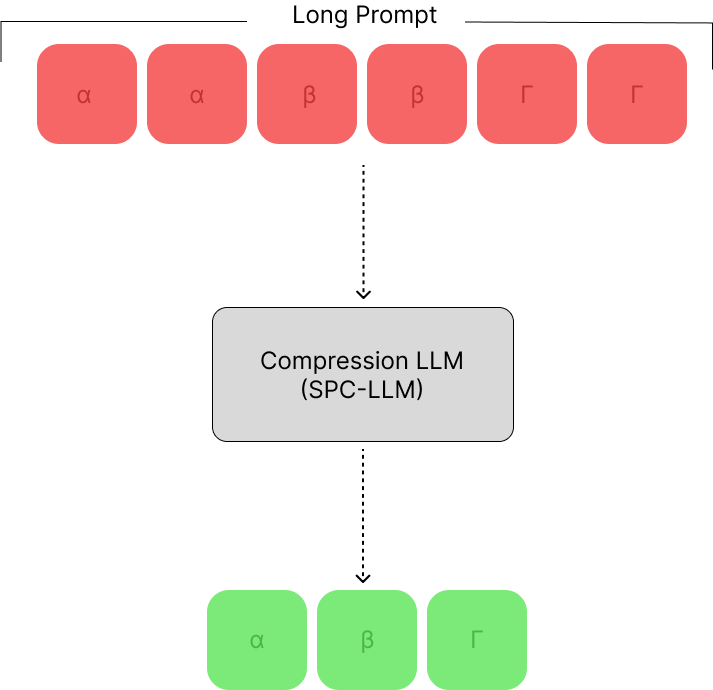
- 该框架使用预训练的摘要模型,将长输入文本提炼为简洁、内容丰富的自然语言摘要。
- 这些摘要随后被嵌入为可训练的软提示,其作为可微分参数在微调过程中进行优化。
- 应用动态加权机制以优先处理关键信息,并在实用性与压缩率之间取得平衡。
- 将压缩后的软提示表示注入大语言模型的输入序列中,从而有效扩展其有效上下文窗口。
- 通过结合摘要损失与下游任务损失,端到端地训练该方法,以保留语义保真度和任务性能。
- 在包括 SQuAD2.0、CNN/Daily Mail、SST-2 和 AG News 在内的多样化自然语言处理基准上对框架进行了评估。
实验结果
研究问题
- RQ1结合软提示压缩与自然语言摘要,能否有效减少大语言模型的推理时间,同时保持上下文质量?
- RQ2与完整上下文输入相比,压缩后的软提示在多大程度上能维持或提升下游任务性能?
- RQ3加权机制如何影响压缩表示中的信息保留与模型实用性?
- RQ4该框架能否在问答、情感分析和文本分类等多样化自然语言处理任务中实现泛化?
- RQ5在不同数据集上,上下文压缩率与性能退化之间的权衡关系如何?
主要发现
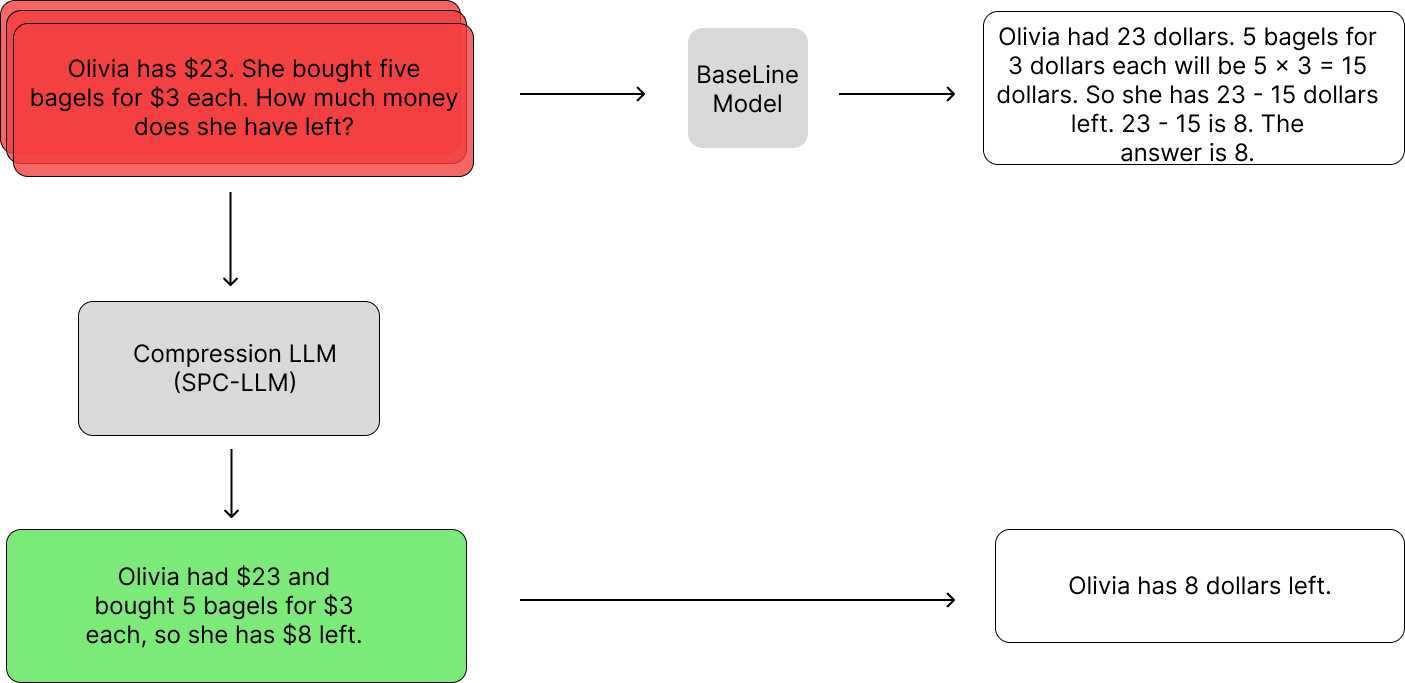
- 在 SQuAD2.0 数据集上,处理时间最多减少了 80.1%,CNN/Daily Mail、SST-2 和 AG News 上也观察到类似提升。
- 该方法在所有评估基准上均保持或提升了模型性能,表明尽管经过压缩,语义实用性仍得到良好保留。
- 软提示压缩框架在不修改基础大语言模型架构的前提下,实现了显著的计算节省。
- 将摘要与软提示结合,实现了有效的上下文管理,同时保留了语义丰富性和任务相关性。
- 加权机制有效优先处理关键信息,提升了压缩效率与下游性能。
- 该方法在包括问答、情感分析和文本分类在内的多个自然语言处理任务中表现出强大的泛化能力。
更好的研究,从现在开始
从阅读论文到最终审阅,大幅缩短您的研究时间。
无需绑定信用卡
本解读由 AI 生成,并经人工编辑审核。