
[论文解读] AI-Powered Autonomous Weapons Risk Geopolitical Instability and Threaten AI Research
本文认为完全自主武器(AWS)可能提高地缘政治不稳定性并危及开放人工智能研究,提出政策措施以降低近未来风险并促进负责任发展。
The recent embrace of machine learning (ML) in the development of autonomous weapons systems (AWS) creates serious risks to geopolitical stability and the free exchange of ideas in AI research. This topic has received comparatively little attention of late compared to risks stemming from superintelligent artificial general intelligence (AGI), but requires fewer assumptions about the course of technological development and is thus a nearer-future issue. ML is already enabling the substitution of AWS for human soldiers in many battlefield roles, reducing the upfront human cost, and thus political cost, of waging offensive war. In the case of peer adversaries, this increases the likelihood of "low intensity" conflicts which risk escalation to broader warfare. In the case of non-peer adversaries, it reduces the domestic blowback to wars of aggression. This effect can occur regardless of other ethical issues around the use of military AI such as the risk of civilian casualties, and does not require any superhuman AI capabilities. Further, the military value of AWS raises the specter of an AI-powered arms race and the misguided imposition of national security restrictions on AI research. Our goal in this paper is to raise awareness among the public and ML researchers on the near-future risks posed by full or near-full autonomy in military technology, and we provide regulatory suggestions to mitigate these risks. We call upon AI policy experts and the defense AI community in particular to embrace transparency and caution in their development and deployment of AWS to avoid the negative effects on global stability and AI research that we highlight here.
研究动机与目标
- 提高机器学习研究人员和政策界对近未来 AWS 风险对全球稳定性的关注。
- 分析 AWS 蓬勃发展如何影响民用 AI 研究与学术规范。
- 提出以监管和透明度为重点的策略,以减轻军事-人工智能整合带来的危害。
- 推荐关于 AWS 自主水平和监督的国际标准,以防止升级和滥用。
- 倡导负责任的发展做法,以及政策制定者、研究人员和产业界之间的合作。
提出的方法
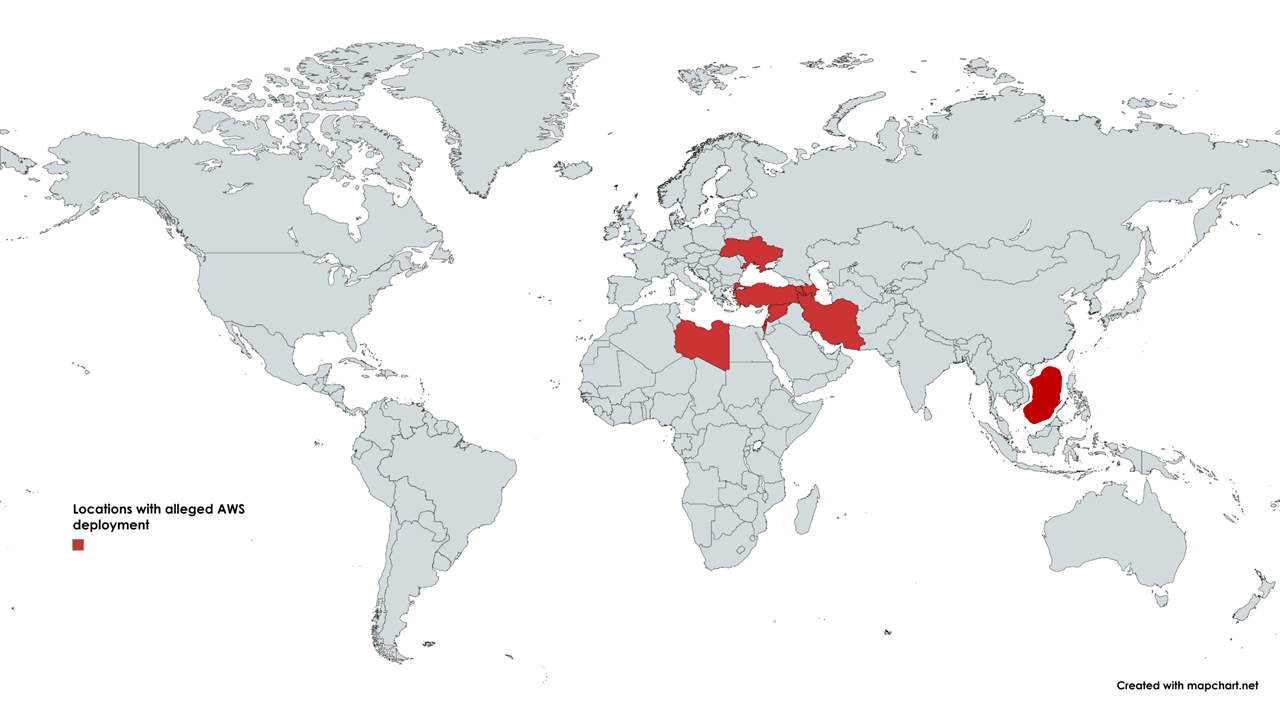
- 评审目前在空中、陆地、海上和指挥系统中的 AWS 开发与部署。
- 分析扩散动态以及为何限制 ML 硬件或知识无效。
- 讨论由 AWS 驱动的战争以及人类监督减少对地缘政治和社会的影响。
- 提出在不全面禁令的前提下缓解风险的政策与治理方法。
- 强调在自主水平及军事-民用研究重叠领域的透明度需求。
实验结果
研究问题
- RQ1从高度自主的 AWS 部署中可能出现哪些近期地缘政治不稳定性?
- RQ2AWS 蓬勃发展将如何影响全球 AI 研究、合作与双重用途动态?
- RQ3哪些监管与治理措施可以在不抑制通用 AI 进展的前提下缓解 AWS 风险?
- RQ4自主水平和人类监督应如何在国际上标准化并传达?
主要发现
- 完全自主的 AWS 可以降低战争的人力成本,可能增加冲突频率和升级风险。
- AWS 蓬勃发展可能引发以 AI 为动力的军备竞赛和军事-民用研究重叠的扩大,影响全球研究规范。
- 阻止 ML 研究或硬件出口不太可能阻止 AWS 的发展,且可能损害科学进步。
- 关于 AWS 自主水平、能力和人类监督的透明度对问责和治理至关重要。
- 人工智能的双重用途性质意味着民用研究和产业可能被挪用用于防务,因此需要在高校和企业加强道德规范与监督。
- 监管方法应避免对广泛的 AI 研究进行限制,而应针对明确的 AWS 相关数据集和部署实践。
更好的研究,从现在开始
从论文设计到论文写作,大幅缩短您的研究时间。
无需绑定信用卡
本解读由 AI 生成,并经人工编辑审核。