
[论文解读] Asynchronous Decentralized Federated Lifelong Learning for Landmark Localization in Medical Imaging
本文提出异步去中心化联邦终身学习(ADFLL),一种保护隐私、可扩展的医学影像标志性定位框架,无需中央服务器和同步训练。在BraTS数据集上,其平均距离误差为7.81,显著优于传统终身学习方法(15.17)和中心化聚合代理(11.78),且对网络故障和代理掉线具有强鲁棒性。
Federated learning is a recent development in the machine learning area that allows a system of devices to train on one or more tasks without sharing their data to a single location or device. However, this framework still requires a centralized global model to consolidate individual models into one, and the devices train synchronously, which both can be potential bottlenecks for using federated learning. In this paper, we propose a novel method of asynchronous decentralized federated lifelong learning (ADFLL) method that inherits the merits of federated learning and can train on multiple tasks simultaneously without the need for a central node or synchronous training. Thus, overcoming the potential drawbacks of conventional federated learning. We demonstrate excellent performance on the brain tumor segmentation (BRATS) dataset for localizing the left ventricle on multiple image sequences and image orientation. Our framework allows agents to achieve the best performance with a mean distance error of 7.81, better than the conventional all-knowing agent's mean distance error of 11.78, and significantly (p=0.01) better than a conventional lifelong learning agent with a distance error of 15.17 after eight rounds of training. In addition, all ADFLL agents have comparable or better performance than a conventional LL agent. In conclusion, we developed an ADFLL framework with excellent performance and speed-up compared to conventional RL agents.
研究动机与目标
- 通过在不共享数据的情况下实现去中心化模型训练,解决医学影像中的隐私和计算约束问题。
- 克服因中心化聚合和同步训练导致的联邦学习瓶颈。
- 在医学影像中实现终身学习,防止在适应新成像序列或环境时发生灾难性遗忘。
- 开发一个可扩展、鲁棒且灵活的系统,即使在代理掉线或计算能力异构的情况下也能保持性能。
- 在真实世界医学影像任务中,与集中式和传统终身学习基线相比,展示出更优的性能和加速效果。
提出的方法
- 提出一种异步去中心化联邦终身学习(ADFLL)框架,消除对中央服务器和同步训练的需求。
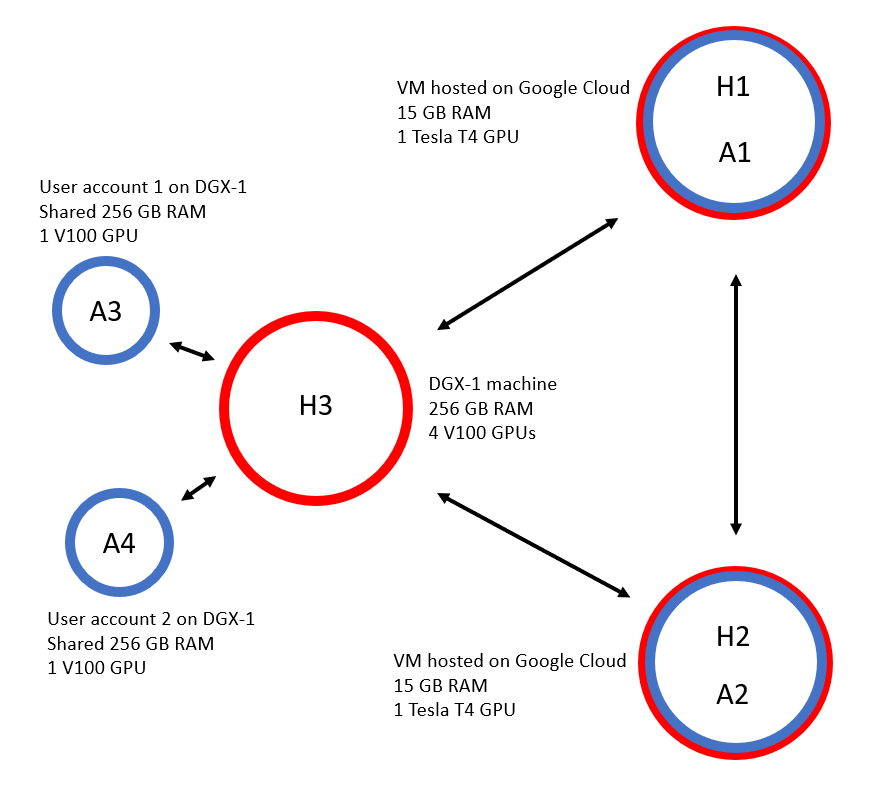
- 采用去中心化通信机制,代理通过中继节点或对等连接交换模型更新,支持灵活的系统拓扑结构。
- 实施终身学习机制,通过存储和重用经验回放缓冲区(ERBs)保留跨任务的知识,防止灾难性遗忘。
- 允许代理独立且异步训练,同时以保持一致性与收敛性的方式共享和合并模型更新。
- 利用深度强化学习进行标志性定位,代理学习策略以在多个成像序列中预测标志性位置。
- 设计系统以具备对网络故障的鲁棒性,通过ERBs确保知识持久性,并在新代理加入时实现快速收敛。
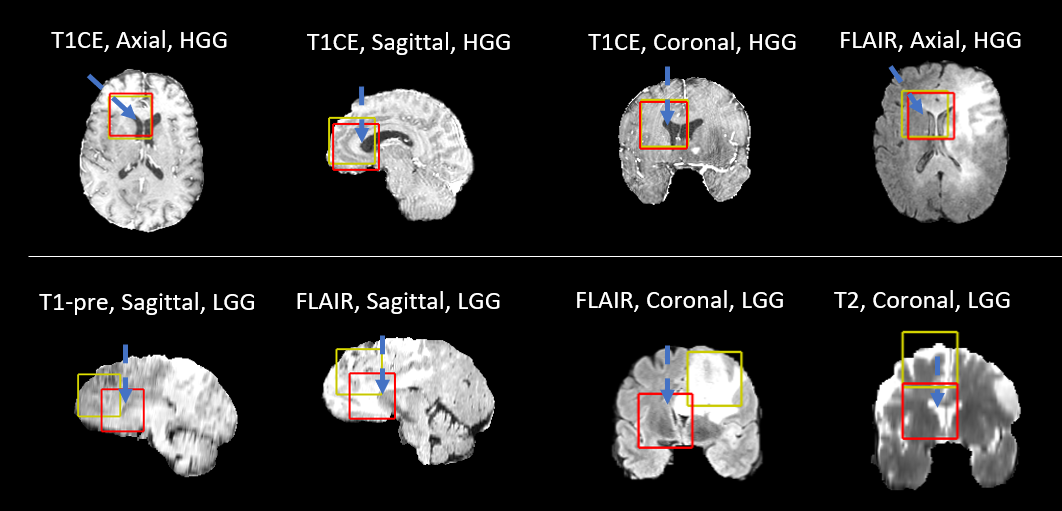
实验结果
研究问题
- RQ1去中心化、异步联邦学习系统是否能在无中央服务器的情况下有效实现医学影像中的终身学习?
- RQ2与集中式聚合和传统终身学习代理相比,ADFLL在定位精度和训练速度方面表现如何?
- RQ3在真实世界医学影像部署中,ADFLL框架对代理掉线和网络故障的鲁棒性如何?
- RQ4ADFLL能否在不发生灾难性遗忘的情况下,保持在多样化成像序列和方向上的高性能?
- RQ5当系统中代理数量增加时,ADFLL框架的可扩展性如何?
主要发现
- ADFLL在BraTS数据集上经过三轮训练后,平均距离误差为7.81,显著优于传统终身学习代理(15.17,p=0.01)。
- ADFLL优于拥有全部数据访问权限的“全知”中心化聚合代理(平均距离误差11.78),尽管后者从一开始就掌握全部数据。
- 该框架展现出良好的可扩展性,在24个代理下仍保持低误差,四轮训练后平均欧氏距离误差降至16.89。
- 在鲁棒性测试中,系统在75%代理掉线情况下仍保持性能,五轮后平均误差为8.55,表明知识持久性良好。
- 新代理可在一轮训练内追上现有代理,表明其具备强大的适应能力和收敛速度。
- 与传统终身学习和集中式聚合基线相比,该框架在加速效果和性能方面均表现出显著优势。
更好的研究,从现在开始
从阅读论文到最终审阅,大幅缩短您的研究时间。
无需绑定信用卡
本解读由 AI 生成,并经人工编辑审核。