
[论文解读] Audio-Linguistic Embeddings for Spoken Sentences
本文提出了一种音视频语言句子嵌入方法,通过使用具有时间卷积网络(TCN)的多任务编码器-解码器框架,联合建模口语句子中的声学与语言内容。该方法在语音识别和情感识别任务中优于音素和词级嵌入,展示了在无需外部语言模型的情况下对长期依赖关系和高层次声学概念的优越建模能力。
We propose spoken sentence embeddings which capture both acoustic and linguistic content. While existing works operate at the character, phoneme, or word level, our method learns long-term dependencies by modeling speech at the sentence level. Formulated as an audio-linguistic multitask learning problem, our encoder-decoder model simultaneously reconstructs acoustic and natural language features from audio. Our results show that spoken sentence embeddings outperform phoneme and word-level baselines on speech recognition and emotion recognition tasks. Ablation studies show that our embeddings can better model high-level acoustic concepts while retaining linguistic content. Overall, our work illustrates the viability of generic, multi-modal sentence embeddings for spoken language understanding.
研究动机与目标
- 解决现有模型在字符、音素或词级别运行的局限性,这些模型无法捕捉口语语言中的长期依赖关系。
- 开发一种统一的、句级别的嵌入方法,同时捕捉声学与语言内容。
- 通过在嵌入中直接学习时间结构,消除语音识别中对外部语言模型的需求。
- 评估句级别嵌入在自动语音识别(ASR)和情感识别等多样化语音任务中的泛化能力与鲁棒性。
- 探索多模态、通用句嵌入在口语理解中的可行性。
提出的方法
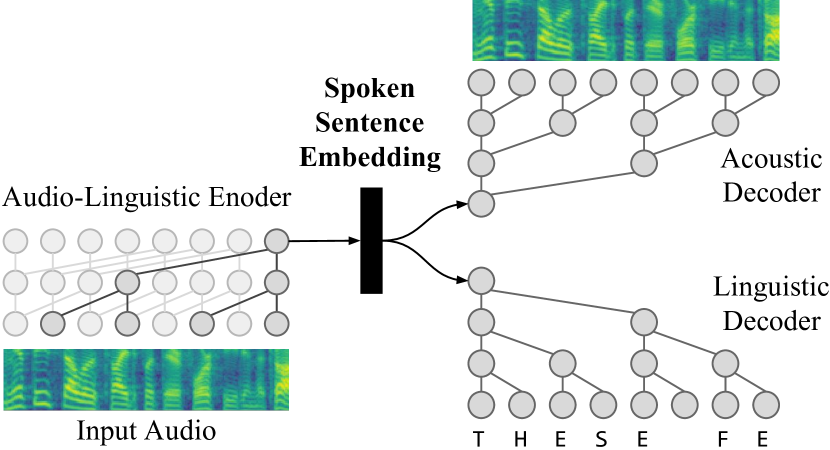
- 使用带有空洞卷积和因果卷积的时间卷积网络(TCN),以建模语音序列中的长程时间依赖关系。
- 采用多任务学习框架,使模型从同一音频输入中联合重建声学特征(如谱图)和语言特征(如词嵌入)。
- 应用深度平均网络(DAN)将中间表示聚合为固定大小的句嵌入向量。
- 使用结合声学与语言重建损失的共享损失目标,端到端训练编码器-解码器模型。
- 在LibriSpeech上预训练编码器后固定其权重,仅在TIMIT和RAVDESS下游任务上微调解码器头。
- 采用因果卷积架构,确保自回归行为,实现在不使用未来信息的情况下进行上下文感知建模。
实验结果
研究问题
- RQ1单一的句级别嵌入能否有效建模口语语言中的声学与语言内容?
- RQ2通过多任务学习联合学习句嵌入是否能提升下游任务(如语音识别和情感分类)的性能?
- RQ3句嵌入在建模长期依赖关系方面,与音素级和词级基线相比表现如何?
- RQ4所学嵌入在未见数据集和任务(如RAVDESS上的情感识别)中的泛化能力如何?
- RQ5序列长度如何影响句嵌入在语音识别中的质量与鲁棒性?
主要发现
- 在自动语音识别任务中,口语句嵌入显著优于音素级和词级嵌入,实现了低于基线的词错误率。
- 在RAVDESS情感识别任务中,句嵌入在未进行情感数据微调的情况下也取得了优异性能,表明其具备强大的泛化能力。
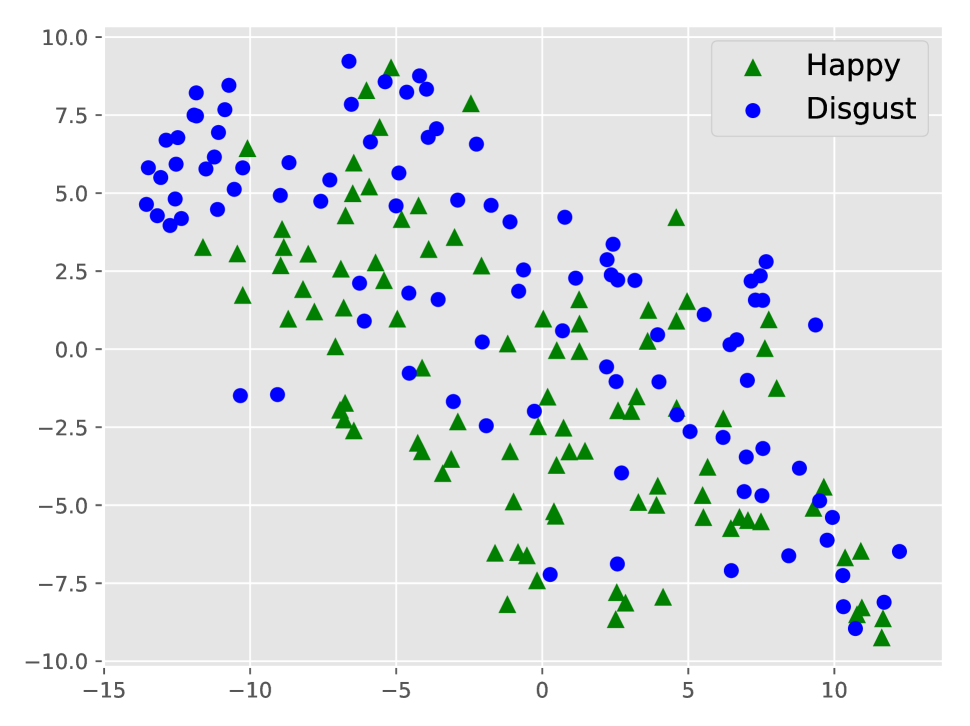
- 消融研究显示,尽管未在情感识别上进行训练,模型仍能在嵌入空间中将不同情感聚类,表明其捕捉了高层次声学概念。
- 所有嵌入的性能随句子长度增加而下降,但所提方法比简单基线更具鲁棒性,表明其对长上下文建模的处理能力更优。
- 均匀平均基线的表现几乎与更复杂的深度平均网络(DAN)相当,表明瓶颈在于输入表示而非聚合方法。
- 模型能够同时重建声学与语言特征,证实所学嵌入保留了丰富、多模态的信息。
更好的研究,从现在开始
从阅读论文到最终审阅,大幅缩短您的研究时间。
无需绑定信用卡
本解读由 AI 生成,并经人工编辑审核。