
[论文解读] Autoencoder-based Anomaly Detection System for Online Data Quality Monitoring of the CMS Electromagnetic Calorimeter
本论文提出了一种基于半监督自编码器的异常检测系统,用于在LHC Run 3期间对CMS电磁 calorimeter(ECAL)的实时在线数据质量监控进行异常检测。该系统利用具有空间和时间依赖性校正的2D探测器响应图像,显著提升了异常检测性能。系统将检测准确率提升了10倍,并成功识别出传统DQM系统未能发现的退化通道,从而在LHC Run 3运行中减少了误报。
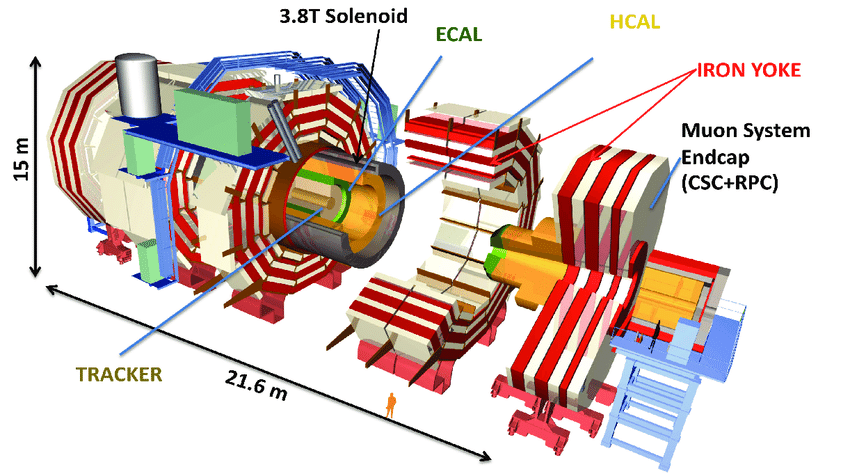
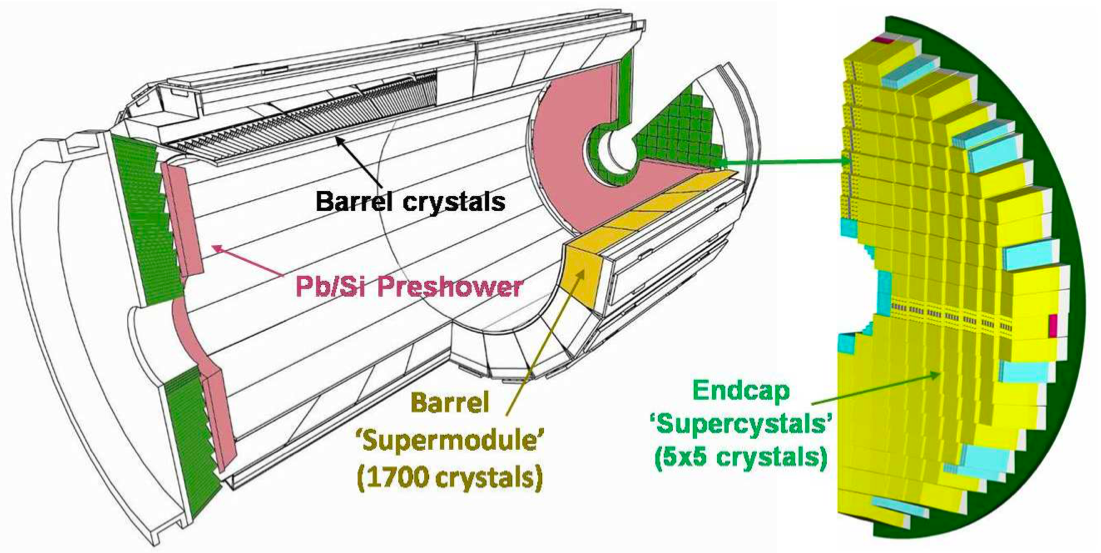
The CMS detector is a general-purpose apparatus that detects high-energy collisions produced at the LHC. Online Data Quality Monitoring of the CMS electromagnetic calorimeter is a vital operational tool that allows detector experts to quickly identify, localize, and diagnose a broad range of detector issues that could affect the quality of physics data. A real-time autoencoder-based anomaly detection system using semi-supervised machine learning is presented enabling the detection of anomalies in the CMS electromagnetic calorimeter data. A novel method is introduced which maximizes the anomaly detection performance by exploiting the time-dependent evolution of anomalies as well as spatial variations in the detector response. The autoencoder-based system is able to efficiently detect anomalies, while maintaining a very low false discovery rate. The performance of the system is validated with anomalies found in 2018 and 2022 LHC collision data. Additionally, the first results from deploying the autoencoder-based system in the CMS online Data Quality Monitoring workflow during the beginning of Run 3 of the LHC are presented, showing its ability to detect issues missed by the existing system.
研究动机与目标
- 开发一种自动化、实时的CMS ECAL异常检测系统,以在高能质子-质子碰撞期间提升数据质量监控能力。
- 解决传统基于阈值的DQM系统在检测由电子元件老化和碰撞率增加引起的细微、演化或瞬态异常方面的局限性。
- 通过建模探测器响应的空间变化和随时间演化的异常,提升异常检测性能。
- 在LHC Run 3期间将系统实际部署于CMS在线DQM工作流中,实现实时诊断。
- 在保持对多样化探测器条件下的异常高灵敏度的同时,降低误报率。
提出的方法
- 系统将ECAL占用率直方图处理为2D图像,并将其输入到使用正常数据进行半监督训练的深度自编码器中。
- 应用空间响应校正以补偿ECAL几何结构中固有的非均匀探测器响应。
- 引入时间依赖性校正以建模异常随时间的演化,例如退化或瞬态通道。
- 通过使用注入了虚假异常的验证数据集,设定重建误差作为异常评分的阈值。
- 系统在每个ECAL区域(端盖/ barrel)使用单一阈值,在塔级别标记异常,实现异常定位。
- 后处理包括基于频率的掩码处理,对持续被标记的塔进行识别,以主动发现退化通道。
实验结果
研究问题
- RQ1半监督自编码器能否在低误报率下有效实现实时ECAL数据的异常检测?
- RQ2与基线方法相比,引入空间和时间校正后,异常检测性能的提升程度如何?
- RQ3该系统能否检测到现有基于阈值的DQM系统所遗漏的异常,特别是瞬态或缓慢退化的通道?
- RQ4系统在不同堆叠条件和探测器老化效应下的鲁棒性如何?
- RQ5在真实LHC运行中,系统在单个塔级别对异常的定位能力有多高?
主要发现
- 通过整合空间和时间校正,基于自编码器的系统相比基线方法将异常检测性能提升了10倍。
- 系统成功检测到具有持续零占用率的退化ECAL塔,包括在Run 3期间被现有DQM系统遗漏的案例。
- 在2018年和2022年真实异常数据的验证中,系统以高灵敏度检测到各种形状、大小和位置的异常,且在塔级别表现优异。
- 异常标记阈值设定为99%的估计标记率,确保高召回率的同时最大限度减少误报。
- Run 3中的部署证明了系统识别瞬态异常的能力,例如塔2的间歇性故障,这些异常未被传统DQM系统稳定标记。
- 该系统补充了现有的DQM工作流,使ECAL专家能够更快、更准确地诊断探测器问题。
更好的研究,从现在开始
从阅读论文到最终审阅,大幅缩短您的研究时间。
无需绑定信用卡
本解读由 AI 生成,并经人工编辑审核。