
QUICK REVIEW
[论文解读] Colloquium: Gravitational Form Factors of the Proton
V.D Burkert, L Elouadrhiri|arXiv (Cornell University)|Mar 15, 2023
Quantum, superfluid, helium dynamics被引用 7
一句话总结
本次研讨会综述了在量子色动力学(QCD)框架下,测量质子引力形式因子(GFFs)的理论与实验进展,这些形式因子编码了质子的机械性质,如质量、自旋和内部力。通过深度虚拟康普顿散射(DVCS)和格点QCD,该研究首次实现了对质子D-项的实验提取,揭示其内部峰值压力约为~10^35 Pa——比地球大气压高出30个数量级,且超过中子星核心压力。
ABSTRACT
The physics of the gravitational form factors of the proton, and their understanding within quantum chromodynamics, has advanced significantly in the past two decades through both theory and experiment. This Colloquium provides an overview of this progress, highlights the physical insights unveiled by studies of gravitational form factors, and reviews their interpretation in terms of the mechanical properties of the proton.
研究动机与目标
- 综合近期在量子色动力学(QCD)框架下理解质子引力形式因子(GFFs)的理论与实验进展。
- 阐明GFFs在质子机械性质(包括质量、自旋及内部应力分布)方面的物理含义。
- 回顾实验技术,特别是深度虚拟康普顿散射(DVCS),以实现对GFFs的测量。
- 呈现对质子D-项的首次实验提取,D-项是与质子内部机械力和压力相关的关键GFF。
- 强调这些结果对理解核子质量起源及亚原子物质方程状态的启示。
提出的方法
- 基于能量-动量张量(EMT)和广义部分子分布(GPDs)的理论框架,定义QCD中的引力形式因子(GFFs)。
- 利用色散关系和QCD求和规则约束GFFs,并推导出模型无关的极限。
- 应用格点QCD模拟,在非微扰QCD条件下从第一性原理计算GFFs。
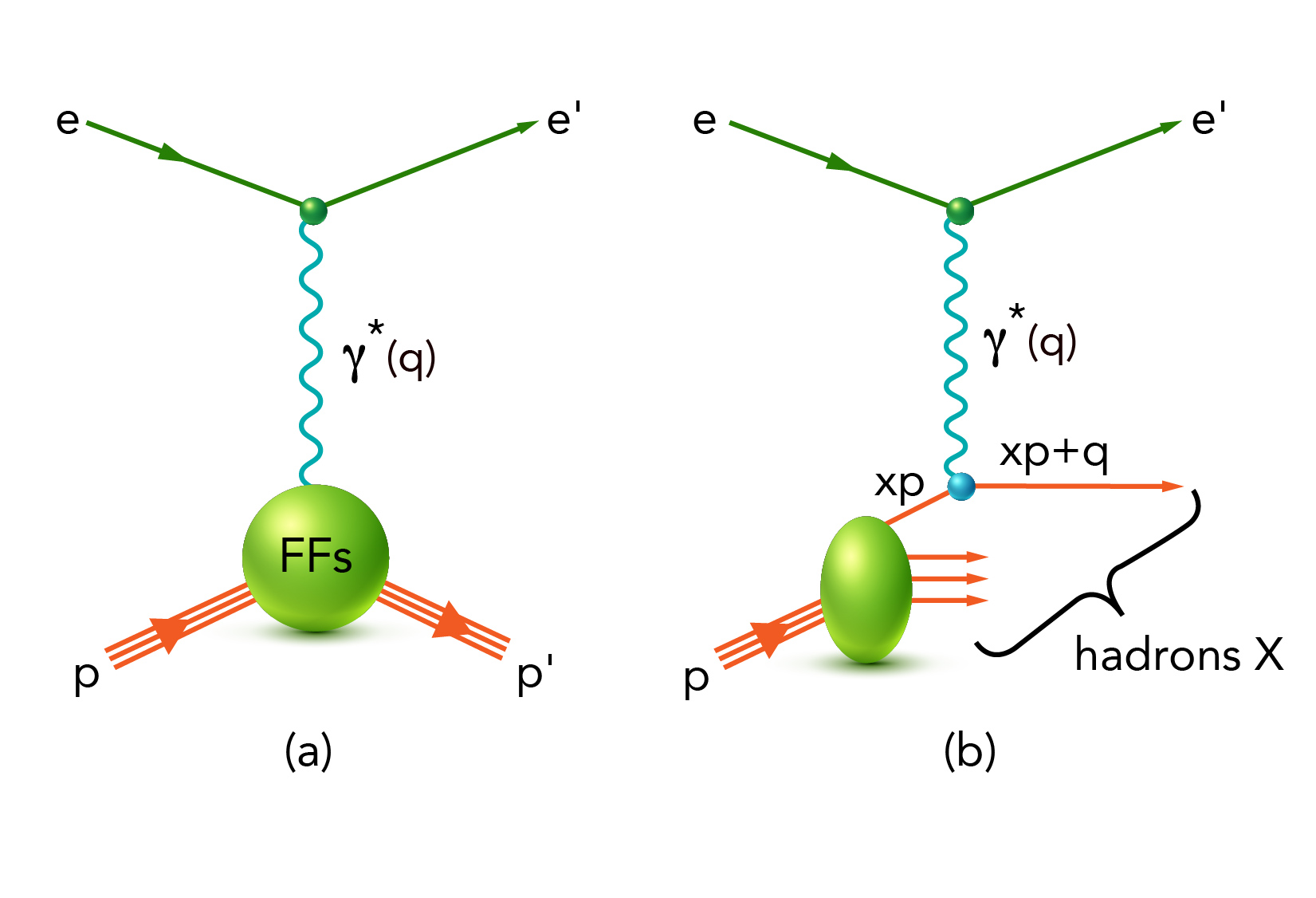
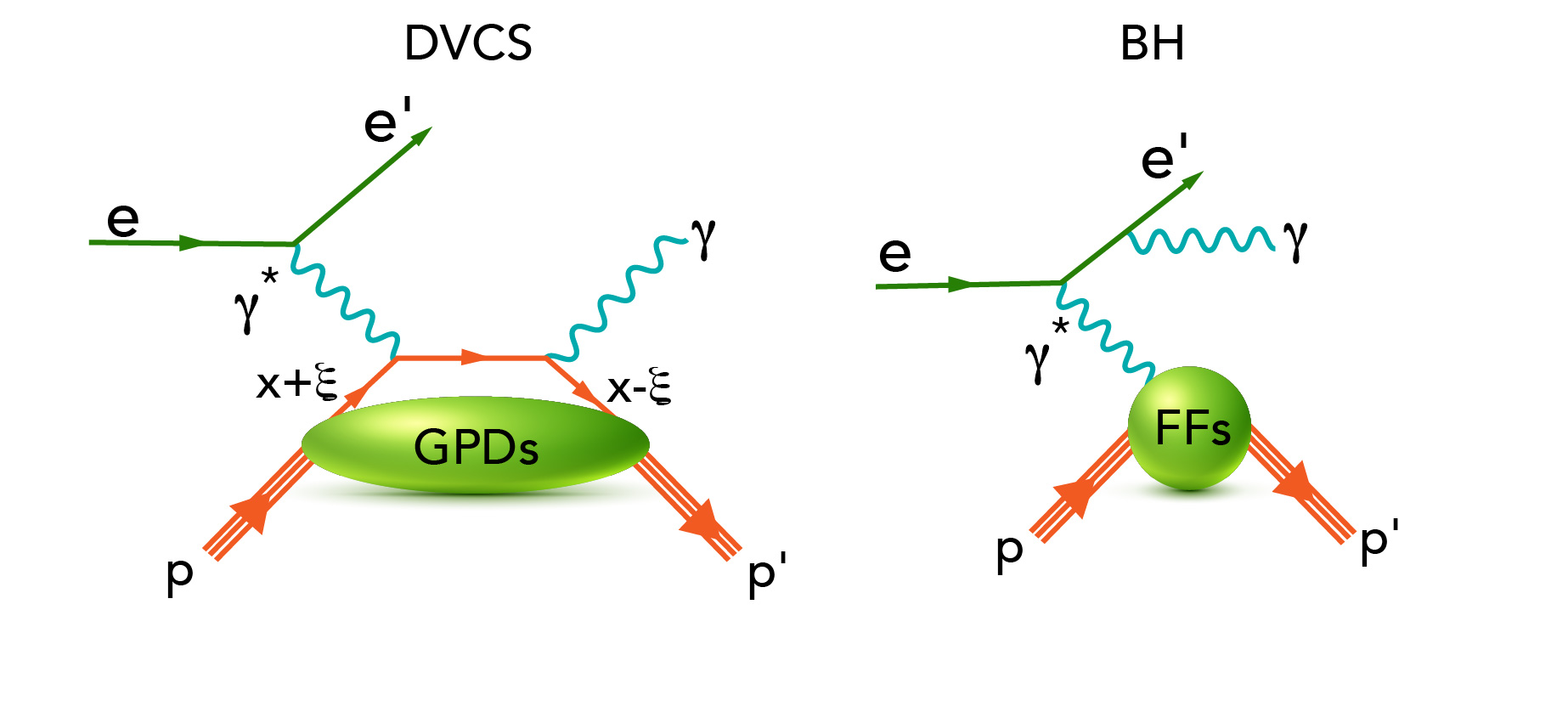
- 分析电子-质子和电子-正电子散射中的深度虚拟康普顿散射(DVCS)过程,以提取康普顿形式因子的实部与虚部。
- 利用e+e−和e−p散射中的束流自旋不对称性(BSA)与电荷不对称性,探测GFF H(t)的实部。
- 结合杰斐逊实验室(JLab)与未来电子-离子对撞机(EIC)项目的数据,拓展动量空间范围并提升GFF测量的亮度。
实验结果
研究问题
- RQ1质子的引力形式因子(GFFs)如何编码其质量、自旋及内部力等机械性质?
- RQ2D-项在质子能量-动量张量中的物理起源是什么?它与内部压力和应力分布有何关联?
- RQ3如何通过深度虚拟康普顿散射(DVCS)及相关过程实现对D-项的首次实验提取?
- RQ4质子内部压力的大小与空间分布如何?其与宏观天体物理对象的压力相比有何差异?
- RQ5格点QCD与模型研究如何约束GFFs的行为?它们揭示了超出部分子模型的质子结构的哪些信息?
主要发现
- 利用DVCS数据首次实现了对质子D-项的实验提取,直接揭示了质子的机械结构。
- D-项为负值,表明存在排斥性内部力,有助于质子的机械稳定性和空间束缚。
- 质子内部峰值压力估计约为10^35帕斯卡,比中子星核心压力高出约6倍。
- 质子的机械半径与电荷半径一致,表明电磁结构与机械结构之间存在强关联。
- 通过e+e−和e−p散射中的电荷不对称性测量,提取了引力形式因子H(t)的实部,证实了理论预测。
- 美国与中国的电子-离子对撞机(EIC)未来实验将拓展动量空间范围并提高GFF测量的精度,特别是在胶子主导区域。
更好的研究,从现在开始
从阅读论文到最终审阅,大幅缩短您的研究时间。
无需绑定信用卡
本解读由 AI 生成,并经人工编辑审核。