
[论文解读] Consumer, Commercial and Industrial IoT (In)Security: Attack Taxonomy and Case Studies
本文提出了一种针对消费级、商用及工业级物联网系统的分层攻击分类法,将威胁按设备、基础设施、通信和服务各层进行分类。通过九个真实案例研究,识别出漏洞、攻击向量及缓解策略,提供了一个系统性框架,以主动应对不同领域中的物联网安全问题。
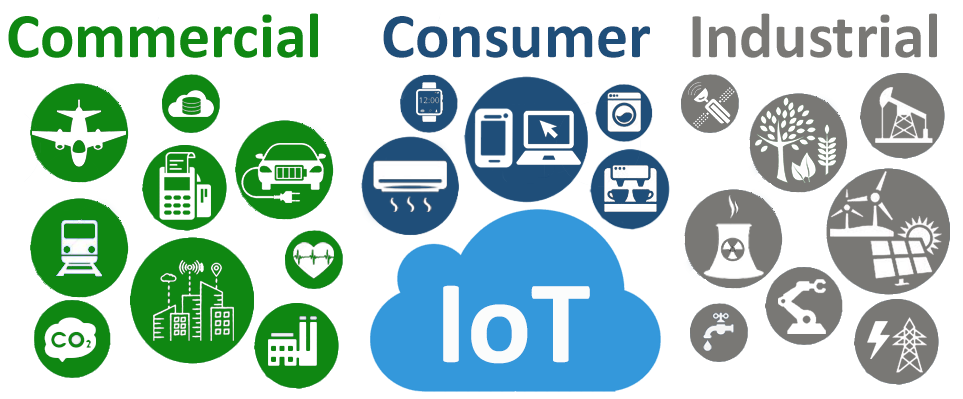
Internet of Things (IoT) devices are becoming ubiquitous in our lives, with applications spanning from the consumer domain to commercial and industrial systems. The steep growth and vast adoption of IoT devices reinforce the importance of sound and robust cybersecurity practices during the device development life-cycles. IoT-related vulnerabilities, if successfully exploited can affect, not only the device itself, but also the application field in which the IoT device operates. Evidently, identifying and addressing every single vulnerability is an arduous, if not impossible, task. Attack taxonomies can assist in classifying attacks and their corresponding vulnerabilities. Security countermeasures and best practices can then be leveraged to mitigate threats and vulnerabilities before they emerge into catastrophic attacks and ensure overall secure IoT operation. Therefore, in this paper, we provide an attack taxonomy which takes into consideration the different layers of IoT stack, i.e., device, infrastructure, communication, and service, and each layer's designated characteristics which can be exploited by adversaries. Furthermore, using nine real-world cybersecurity incidents, that had targeted IoT devices deployed in the consumer, commercial, and industrial sectors, we describe the IoT-related vulnerabilities, exploitation procedures, attacks, impacts, and potential mitigation mechanisms and protection strategies. These (and many other) incidents highlight the underlying security concerns of IoT systems and demonstrate the potential attack impacts of such connected ecosystems, while the proposed taxonomy provides a systematic procedure to categorize attacks based on the affected layer and corresponding impact.
研究动机与目标
- 应对物联网设备在消费、商业及工业领域迅速普及所带来的日益增长的安全风险。
- 识别并分类物联网特有攻击向量,这些向量利用设备、基础设施、通信及服务各层的漏洞。
- 分析针对物联网生态系统的现实网络事件,揭示常见的攻击模式与系统性弱点。
- 提出针对各物联网领域独特运行约束与威胁面量身定制的可操作缓解策略与安全对策。
- 建立统一的系统化分类法,以实现主动威胁建模,并加快对新兴物联网威胁的响应速度。
提出的方法
- 开发了四层攻击分类法,将威胁映射至物联网架构的设备、基础设施、通信和服务各层。
- 收集并分析了来自消费、商业及工业领域的九起真实物联网网络事件,以提取攻击链与根本性漏洞。
- 将每起事件映射至所提出的分类法,以展示各层特有的攻击模式与影响向量。
- 识别出在所有领域中反复出现的漏洞,如默认凭证、未加密通信以及缺乏网络分段。
- 基于事件分析,提出针对性的缓解策略,包括安全设计原则、协议加固及网络分段。
- 整合先前研究与行业实践的洞见,推荐涵盖政策与技术框架的综合物联网安全方案。
实验结果
研究问题
- RQ1在消费、商业及工业场景下,物联网攻击如何在物联网架构的不同层级中实现系统性分类?
- RQ2在三大主要物联网领域中,现实世界物联网攻击最常利用的漏洞是什么?
- RQ3消费级、商用及工业级物联网环境中的攻击链与利用技术有何不同?
- RQ4哪些技术与政策层面的对策最有效,可预防或减轻此类攻击?
- RQ5像默认凭证或未加密数据传输这类常见漏洞在多样化的物联网生态系统中持续存在的程度如何?
主要发现
- 该研究发现,2020年30%的移动与无线网络攻击涉及物联网设备,凸显其日益显著的威胁特征。
- 蓝牙低功耗(BLE)协议因明文传输及配对机制缺陷,易受数据外泄与身份认证绕过攻击。
- 默认凭证与缺乏网络分段是消费级、商用及工业级物联网系统中反复出现的漏洞。
- 真实事件表明,受 compromise 的医疗设备与工业控制系统可能导致严重的安全与运营中断。
- 所提出的攻击分类法能够按层级系统性地分类威胁,减少对单个攻击事件的临时性分析需求。
- 必须采用统一的、以政策为导向的方法,结合技术加固与监管执行,才能全面提升异构生态系统中的物联网安全水平。
![Figure 2: A tree diagram of attacks and threats on Internet of Things (IoT) and cyber-physical systems (CPS) [ 18 ] .](https://ar5iv.labs.arxiv.org/html/2105.06612/assets/figures/attackleaf.png)
更好的研究,从现在开始
从阅读论文到最终审阅,大幅缩短您的研究时间。
无需绑定信用卡
本解读由 AI 生成,并经人工编辑审核。