
[论文解读] Distributed VC Firms: The Next Iteration of Venture Capital
本文提出了一种‘分布式风险投资公司’模式,用软件自动化、基于小组(Pod)的团队取代传统的风险投资基金结构,通过逐笔交易的激励机制重新对齐普通合伙人(GP)的激励与初创企业成功之间的关系。通过将职能分解为专业化小组,并采用编码化、基于绩效的支付方式,该模式旨在消除激励错配,提升创新融资效率。
Using a combination of incentive modeling and empirical meta-analyses, this paper provides a pointed critique at the incentive systems that drive venture capital firms to optimize their practices towards activities that increase General Partner utility yet are disjoint from improving the underlying asset of startup equity. We propose a "distributed venture firm" powered by software automations and governed by a set of functional teams called "Pods" that carry out specific tasks with immediate and long-term payouts given on a deal-by-deal basis. Avenues are provided for further research to validate this model and discover likely paths to implementation.
研究动机与目标
- 识别传统‘2-20’风险投资模式中的系统性缺陷,这些缺陷导致普通合伙人(GP)的激励与初创企业成功之间产生错配。
- 批判性地审视‘2-20’费用结构的历史采纳,认为其具有任意性,缺乏实证依据。
- 提出一种新模型——分布式风险投资公司,其中功能型小组负责特定任务,并基于每笔交易获得即时、针对性的支付。
- 通过算法协调和编码化激励机制,解决传统风险投资中的搭便车问题和可扩展性限制。
- 为一种新的风险投资范式奠定基础,该范式优先考虑创新成果,而非普通合伙人的利益。
提出的方法
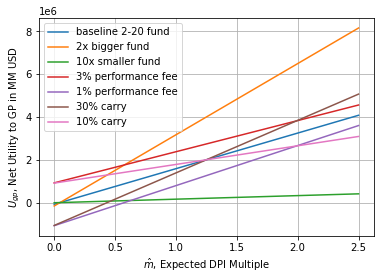
- 基于基金规模、存续期、管理费(2%)、普通合伙人出资(1%)和业绩报酬(20%)等参数,为标准风险投资基金构建数学效用模型。
- 提出一种‘分布式风险投资公司’,其功能型小组(如募资、交易执行、监控等)基于每笔交易获得即时和长期的支付。
- 引入‘小组负责人’以委派所有权,实现超越邓巴数(Dunbar’s number)的可扩展治理。
- 采用编码化激励机制,确保财务回报基于每笔交易的个人贡献分配,而非团队整体成果。
- 通过算法协调,确保分布在不同、自主的小组之间保持一致性与效率。
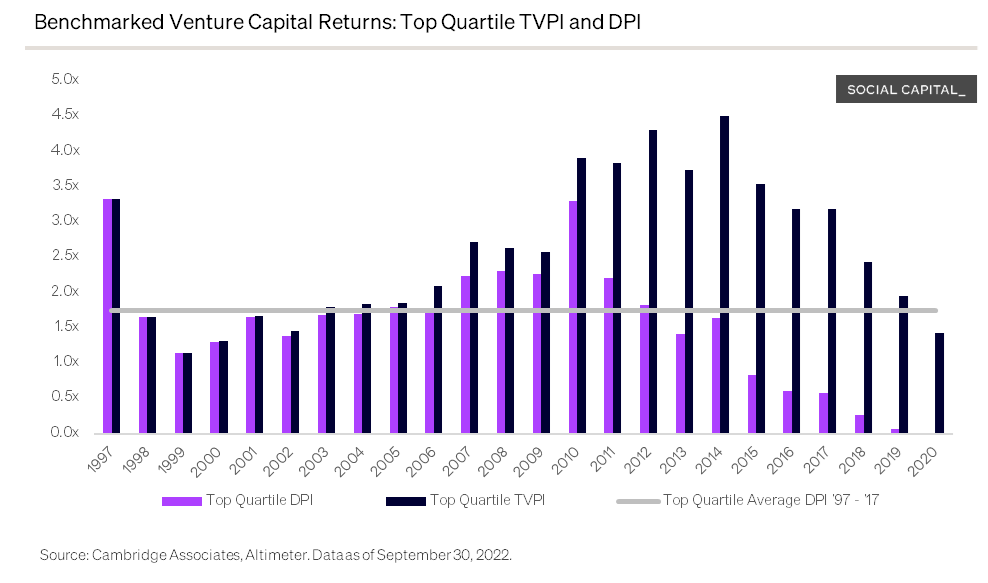
- 使用DPI、IRR和RVPI等绩效指标,对基金在生命周期各阶段的表现进行基准评估。
实验结果
研究问题
- RQ1标准‘2-20’风险投资模式中的激励机制如何与实际初创企业表现及有限合伙人(LP)回报产生错配?
- RQ2在风险投资基金生命周期的不同阶段,哪些关键绩效指标(KPI)最能反映基金表现?
- RQ3去中心化、基于小组的结构,配合逐笔交易支付,能否改善风险投资中的激励对齐与创新成果?
- RQ4软件自动化与算法协调如何实现风险投资运营在传统层级结构限制之外的规模化?
- RQ5为实现分布式风险投资公司的规模化实施,需要哪些结构性、法律性和技术性创新?
主要发现
- 标准‘2-20’模式下,风险投资基金的平均内部收益率(IRR)为19%,但仍低于标普500指数11%的年化回报,表明风险调整后表现仍不理想。
- 风险投资回报存在显著的幂律分布,少数基金攫取了大部分收益,表明系统存在效率低下问题。
- ‘2-20’费用结构源于轶事性先例(腓尼基商人),而非实证分析,引发其长期可持续性的担忧。
- 即使处于顶尖四分之一的风投基金也难以实现2倍DPI(已分配资本回报率),表明持续存在表现不佳的问题。
- 所提出的分布式风投模型通过小组结构与逐笔交易支付,可减少搭便车问题并改善激励对齐。
- 该模型通过明确定义的接口与算法协调,实现超越邓巴数(Dunbar’s number)的可扩展性,支持更大、更高效的风投团队。
更好的研究,从现在开始
从阅读论文到最终审阅,大幅缩短您的研究时间。
无需绑定信用卡
本解读由 AI 生成,并经人工编辑审核。