
[论文解读] Enacting Musical Worlds: Common Approaches to using NIMEs within Performance and Person-Centred Arts Practices
本文提出,通过NIME(新型音乐表达乐器)进行音乐参与,最应被理解为一种具身的、体验性的过程,其受感官运动互动、生理特征及社会文化背景的共同塑造。通过在现场电子音乐表演与复杂残疾人士为中心的艺术项目中开展的民族志研究与实践导向研究,本文表明,当NIME根据个体的历史与需求进行个性化设计时,其影响达到最大,从而通过迭代式、情境敏感的设计,催生出独特、富有表现力且具有社会意义的音乐世界。
Live music making can be understood as an enactive process, whereby musical experiences are created through human action. This suggests that musical worlds coevolve with their agents through repeated sensorimotor interactions with the environment (where the music is being created), and at the same time cannot be separated from their sociocultural contexts. This paper investigates this claim by exploring ways in which technology, physiology, and context are bound up within two different musical scenarios: live electronic musical performance; and person-centred arts applications of NIMEs. In this paper I outline an ethnographic and phenomenological enquiry into my experiences as both a performer of live electronic and electro-instrumental music, as well as my extensive background in working with new technologies in various therapeutic and person-centred artistic situations. This is in order to explore the sociocultural and technological contexts in which these activities take place. I propose that by understanding creative musical participation as a highly contextualised practice, we may discover that the greatest impact of rapidly developing technological resources is their ability to afford richly diverse, personalised, and embodied forms of music making. I argue that this is applicable over a wide range of musical communities.
研究动机与目标
- 探究NIME在不同音乐情境中作为具身的、嵌入社会文化的实践方式的运作机制。
- 应对设计音乐技术以回应个体生理、认知与文化需求的挑战,尤其针对复杂残疾人群体。
- 证明有效的NIME开发并非源于技术优化,而是源于对用户生活经验与感官运动能力的深入、反复的参与。
- 通过突出体验性、关系性音乐创作的共同原则,弥合实验性电子音乐实践与以个体为中心的艺术之间的鸿沟。
提出的方法
- 通过民族志与现象学探究,深入理解作为现场电子音乐表演者及以个体为中心的艺术项目合作者的个人体验。
- 通过与个体长期、以用户为中心的互动,持续设计并优化NIME,包括实时反馈回路与自适应软件。
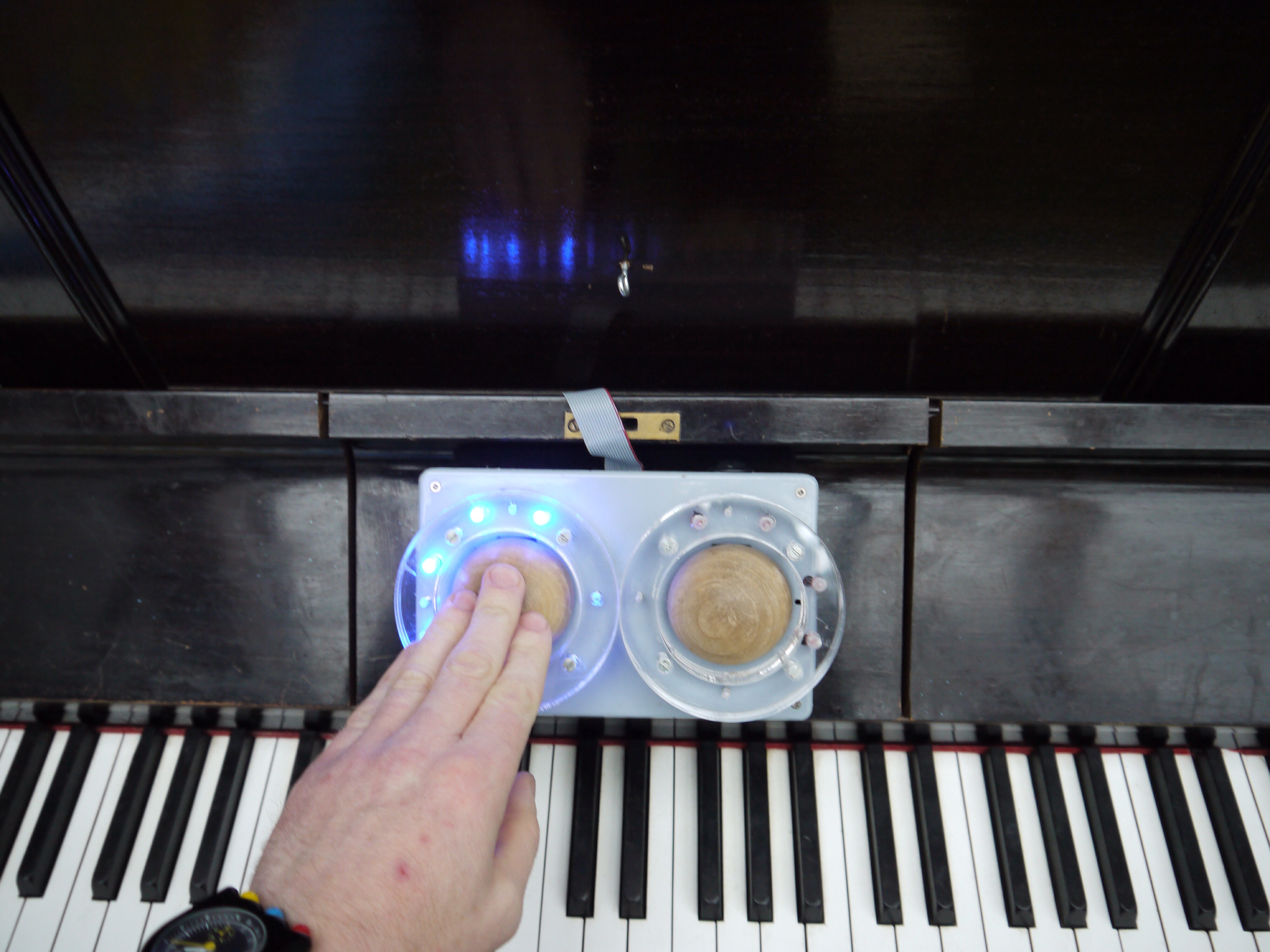
- 在NIME界面中采用多模态反馈(触觉、视觉、听觉),以支持感官运动耦合与用户自主性。
- 运用体验理论中的结构耦合理论,构建表演者、乐器与环境随时间共同演化的框架。
- 从个人及具有文化意义的来源(如家庭成员的声音、熟悉的声音)创建定制化音色库,使音乐表达根植于生活经验。
- 实施物理设计限制(如封闭式按钮、振动反馈),以确保复杂需求用户的安全性与可及性。
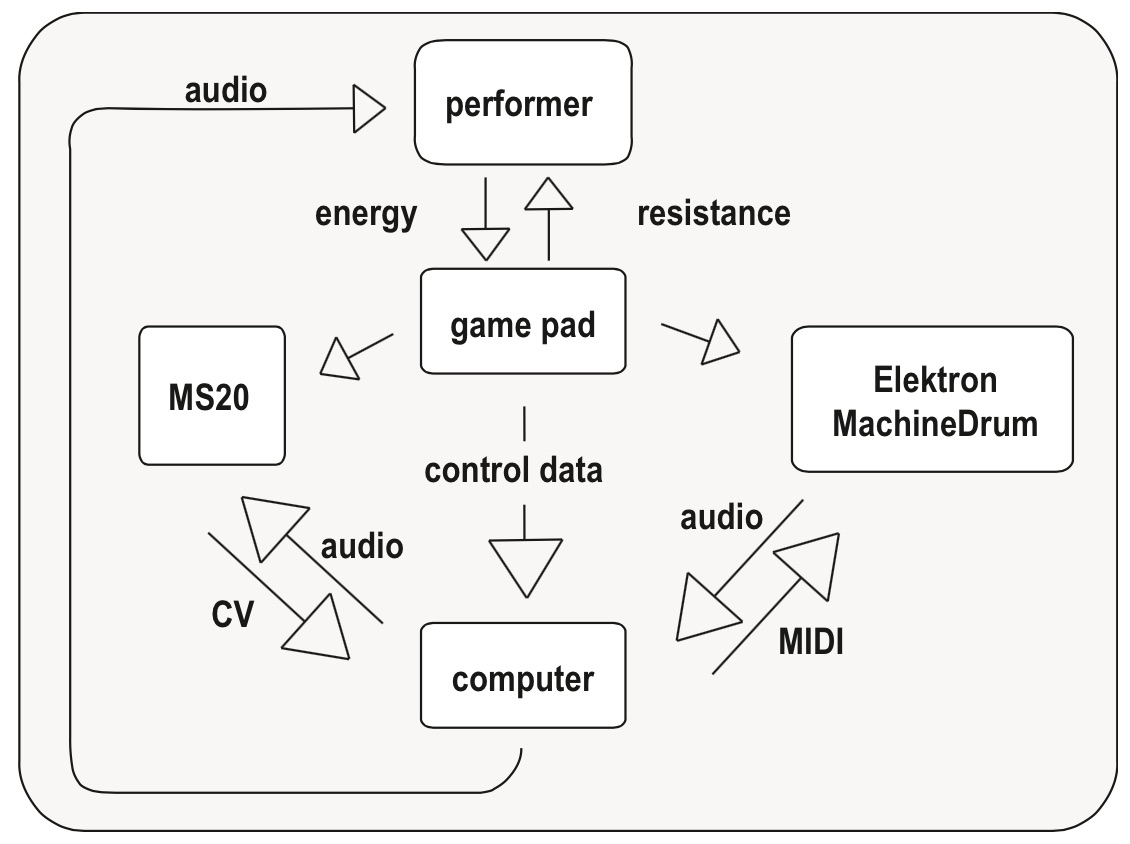
实验结果
研究问题
- RQ1生理、文化与音乐历史在表演与治疗情境中如何塑造NIME的开发与使用?
- RQ2与NIME的感官运动互动如何与表演者的具身体验及社会文化环境共同演化?
- RQ3如何设计NIME,以在不依赖标准音乐训练或乐器的前提下,支持复杂残疾个体的自主性与意图性?
- RQ4用户与乐器之间的结构耦合在塑造独特、个性化的音乐世界中起到何种作用?
- RQ5现场电子音乐表演中的洞见如何启发面向以个体为中心艺术的可访问、富有表现力的NIME设计?
主要发现
- 当NIME的发展通过反复、情境敏感的互动实现,并反映用户生理与文化历史时,其效果最佳。
- 最具影响力的NIME并非技术上最先进的,而是深度个性化,契合个体用户的感官偏好、运动能力与情感反应。
- 通过NIME进行的音乐参与是一种社会关系的媒介,意义源于人、乐器与环境之间动态关系的互动。
- 感官反馈机制(如振动马达、LED灯)显著提升用户参与度并确认互动,尤其对言语沟通能力有限的用户尤为重要。
- 迭代式、以用户为主导的设计过程使软件与界面能够实现自适应调整,确保长期参与度与发展的相关性。
- 体验性、具身化的音乐创作原则在多种情境中具有普适性,从先锋派表演到治疗性艺术均适用,揭示出关系性与表现性实践共享的基础。
更好的研究,从现在开始
从阅读论文到最终审阅,大幅缩短您的研究时间。
无需绑定信用卡
本解读由 AI 生成,并经人工编辑审核。