
[论文解读] Enhancing Pipeline-Based Conversational Agents with Large Language Models
本文提出一种混合方法,通过使用大型语言模型(LLMs)如GPT-4来增强基于流水线的对话代理,提升开发与运行时能力,同时不替换现有系统。结果表明,LLMs可生成训练数据、提取实体与同义词、实现上下文理解、自动纠正输入、生成风格多样的回复,并支持封闭域问答与对话摘要功能,从而在保护隐私和保持系统集成的前提下提升代理性能。
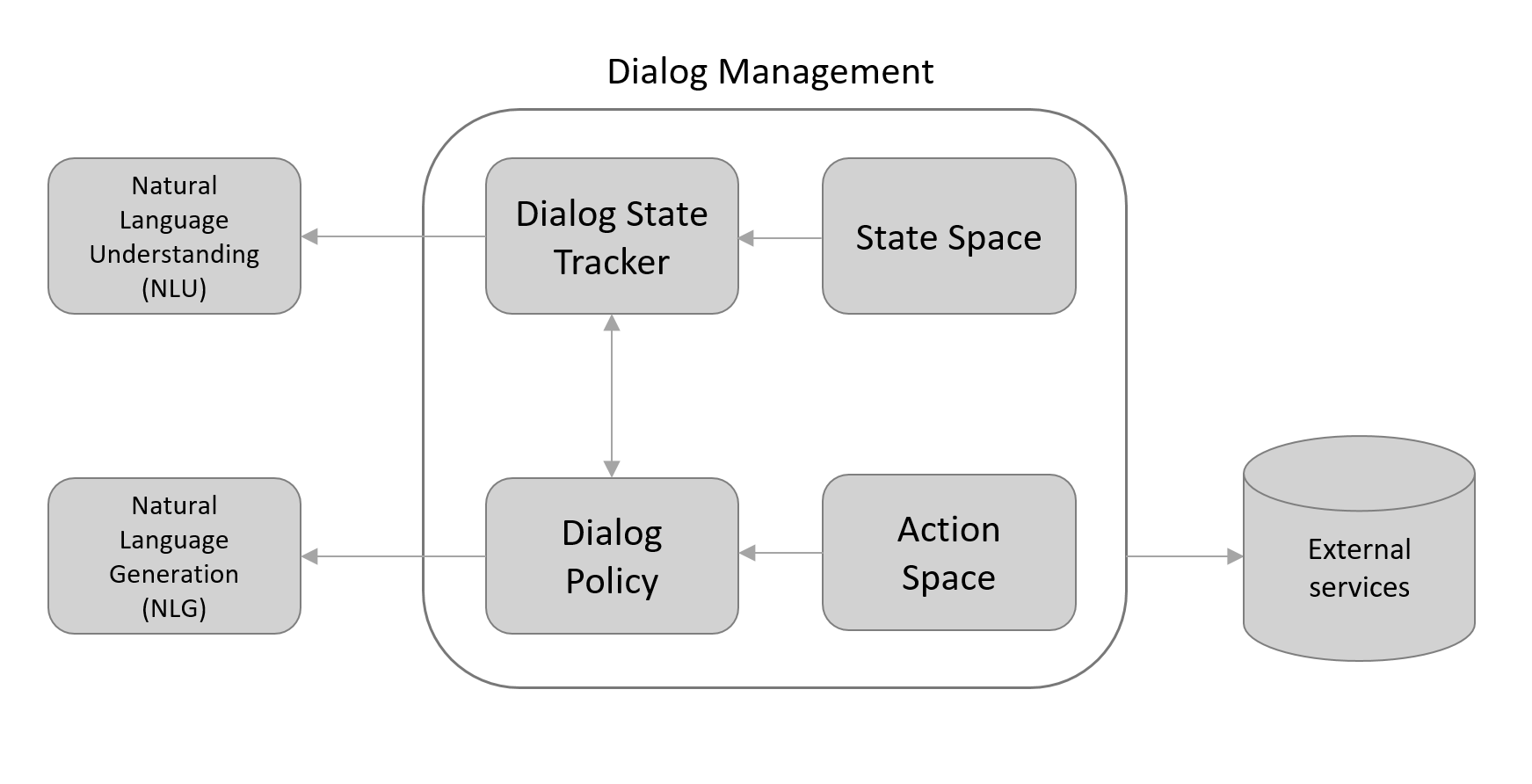
The latest advancements in AI and deep learning have led to a breakthrough in large language model (LLM)-based agents such as GPT-4. However, many commercial conversational agent development tools are pipeline-based and have limitations in holding a human-like conversation. This paper investigates the capabilities of LLMs to enhance pipeline-based conversational agents during two phases: 1) in the design and development phase and 2) during operations. In 1) LLMs can aid in generating training data, extracting entities and synonyms, localization, and persona design. In 2) LLMs can assist in contextualization, intent classification to prevent conversational breakdown and handle out-of-scope questions, auto-correcting utterances, rephrasing responses, formulating disambiguation questions, summarization, and enabling closed question-answering capabilities. We conducted informal experiments with GPT-4 in the private banking domain to demonstrate the scenarios above with a practical example. Companies may be hesitant to replace their pipeline-based agents with LLMs entirely due to privacy concerns and the need for deep integration within their existing ecosystems. A hybrid approach in which LLMs' are integrated into the pipeline-based agents allows them to save time and costs of building and running agents by capitalizing on the capabilities of LLMs while retaining the integration and privacy safeguards of their existing systems.
研究动机与目标
- 为解决基于流水线的对话代理在实现类人对话方面存在的局限性,特别是在上下文理解与回复多样性方面的问题。
- 探索如何将大型语言模型集成到现有流水线架构中,以在不完全替换系统的情况下提升开发效率与运行性能。
- 评估使用大型语言模型生成训练数据、实体抽取、角色设计以及运行时功能(如自动纠错与摘要)的可行性与优势。
- 通过在既有的对话代理流水线中作为增强组件使用大型语言模型,提供一种实用且保护隐私的端到端大型语言模型代理替代方案。
提出的方法
- 使用GPT-4为私人银行领域中的意图分类与实体识别生成合成训练数据。
- 利用大型语言模型提取领域特定的实体与同义词,并定义代理角色与本地化参数。
- 在运行时集成大型语言模型,实现用户输入的自动纠正、回复重述以及歧义问题的生成。
- 应用大型语言模型实现上下文关联处理、超出范围查询的应对,以及基于预设答案的封闭域问答功能。
- 使用大型语言模型对正在进行的对话进行摘要,以支持无缝转接人工客服或确认步骤。
- 通过在多个用例中对GPT-4进行非正式实验,验证混合增强方法的有效性。
实验结果
研究问题
- RQ1大型语言模型在多大程度上可改善基于流水线的对话代理的开发阶段,特别是在训练数据生成与实体抽取方面?
- RQ2大型语言模型在多大程度上可增强运行时能力,如上下文理解、回复多样性与超出范围查询的处理?
- RQ3大型语言模型能否在不损害系统隐私或无需完全迁移的前提下,有效集成到现有流水线架构中?
- RQ4在生产级代理中,使用大型语言模型进行封闭域问答与对话摘要的实际优势是什么?
- RQ5大型语言模型的混合集成对现有对话代理系统的可维护性与可扩展性有何影响?
主要发现
- 大型语言模型显著提升了训练数据生成效率,使私人银行领域中的意图分类与实体抽取更加迅速且准确。
- GPT-4成功生成了10种风格各异、带有歉意语气的误解输入重述,展示了有效的回复个性化与语气控制能力。
- 在封闭域问答任务中,模型实现了5/5的正确率,表明在限定于预设答案时具有极强的可靠性。
- 基于大型语言模型的对话摘要生成了简洁、可操作的摘要,格式符合要求,支持与人工客服的无缝转接。
- 该混合方法实现了用户输入的自动纠正与超出范围查询的有效处理,减少了对话中断。
- 将大型语言模型集成到现有流水线系统中,在保护数据隐私与系统稳定性的同时,显著增强了代理能力。
更好的研究,从现在开始
从阅读论文到最终审阅,大幅缩短您的研究时间。
无需绑定信用卡
本解读由 AI 生成,并经人工编辑审核。