
[论文解读] Ethical ChatGPT: Concerns, Challenges, and Commandments
本文综述了 ChatGPT 的伦理关切与挑战,并提出面向不同利益相关方的戒律,以指导大语言模型的负责任使用与治理。
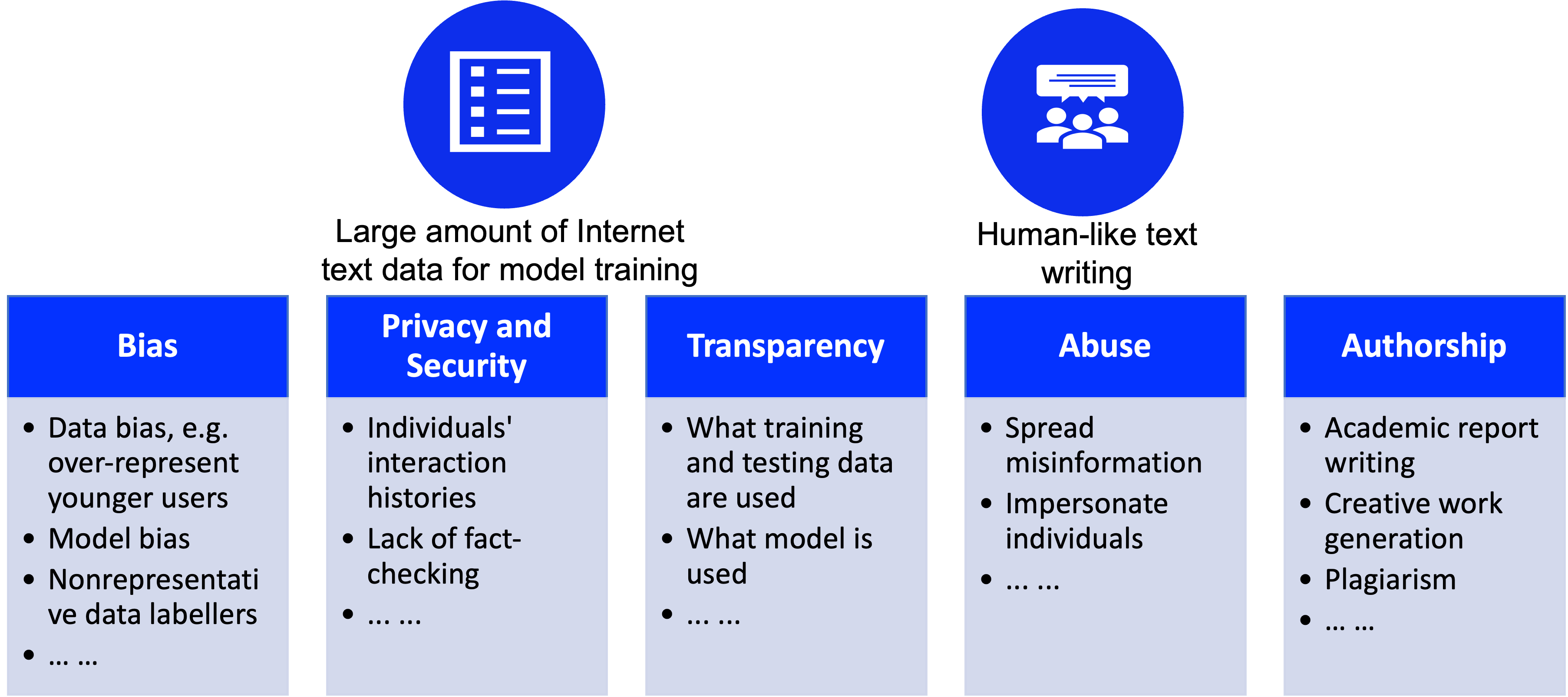
Large language models, e.g. ChatGPT are currently contributing enormously to make artificial intelligence even more popular, especially among the general population. However, such chatbot models were developed as tools to support natural language communication between humans. Problematically, it is very much a ``statistical correlation machine" (correlation instead of causality) and there are indeed ethical concerns associated with the use of AI language models such as ChatGPT, such as Bias, Privacy, and Abuse. This paper highlights specific ethical concerns on ChatGPT and articulates key challenges when ChatGPT is used in various applications. Practical commandments for different stakeholders of ChatGPT are also proposed that can serve as checklist guidelines for those applying ChatGPT in their applications. These commandment examples are expected to motivate the ethical use of ChatGPT.
研究动机与目标
- 识别并分类 ChatGPT 与大型语言模型相关的伦理关切。
- 分析 ChatGPT 在各领域部署带来的挑战。
- 为研究人员、用户、监管者和伦理学家提出可操作的戒律,以引导负责任的使用。
提出的方法
- 对与大型语言模型和 ChatGPT 相关的伦理风险进行文献综合。
- 对偏见、隐私、信息风险、错误信息、滥用、透明度和问责制进行批判性讨论。
- 以可操作的指南形式阐述面向不同利益相关方的戒律。
实验结果
研究问题
- RQ1哪些伦理关切对 ChatGPT 及类似的大型语言模型最为关键?
- RQ2在各种应用中部署 ChatGPT 会带来哪些关键挑战?
- RQ3哪些可操作的戒律可引导不同利益相关方实现对 ChatGPT 的负责任使用?
主要发现
- 偏见和信息完整性问题源于训练数据和标注做法。
- 隐私与安全风险来自用户输入以及通过微调可能的泄漏。
- 由于模型内部机制不透明和回答中的随机性,透明度受限。
- 滥用,包括错误信息和身份冒充,构成对信任与安全的真实威胁。
- 本文提出面向不同利益相关方的戒律以促进负责任的使用,并呼吁未来在事实核查和对回答的理由说明方面开展工作。
![Figure 2: Two main steps in building ChatGPT (adapted from [ 4 ] )](https://ar5iv.labs.arxiv.org/html/2305.10646/assets/chatgpt-phases.png)
更好的研究,从现在开始
从论文设计到论文写作,大幅缩短您的研究时间。
无需绑定信用卡
本解读由 AI 生成,并经人工编辑审核。