
[论文解读] Gender Bias in Transformer Models: A comprehensive survey
本篇全面综述从语言学角度批判性地分析了Transformer模型中的性别偏见,识别出偏见测量、评估方法以及缺乏标准化等方面的不一致之处。文章提出应在模型开发流程中早期整合偏见检测,并倡导建立标准化基准,以提升自然语言处理系统的公平性与公正性。
Gender bias in artificial intelligence (AI) has emerged as a pressing concern with profound implications for individuals' lives. This paper presents a comprehensive survey that explores gender bias in Transformer models from a linguistic perspective. While the existence of gender bias in language models has been acknowledged in previous studies, there remains a lack of consensus on how to effectively measure and evaluate this bias. Our survey critically examines the existing literature on gender bias in Transformers, shedding light on the diverse methodologies and metrics employed to assess bias. Several limitations in current approaches to measuring gender bias in Transformers are identified, encompassing the utilization of incomplete or flawed metrics, inadequate dataset sizes, and a dearth of standardization in evaluation methods. Furthermore, our survey delves into the potential ramifications of gender bias in Transformers for downstream applications, including dialogue systems and machine translation. We underscore the importance of fostering equity and fairness in these systems by emphasizing the need for heightened awareness and accountability in developing and deploying language technologies. This paper serves as a comprehensive overview of gender bias in Transformer models, providing novel insights and offering valuable directions for future research in this critical domain.
研究动机与目标
- 批判性评估现有用于测量Transformer模型中性别偏见的方法与指标。
- 识别当前方法中的关键局限,包括有缺陷的指标、小规模数据集以及缺乏标准化。
- 考察性别偏见在下游自然语言处理应用(如对话系统和机器翻译)中的现实影响。
- 倡导在模型开发生命周期早期整合偏见检测,以防止对社会造成伤害。
- 推动采用标准化评估基准,以提升性别偏见研究中的可比性与公平性。
提出的方法
- 对100余项关于自然语言处理和Transformer模型中性别偏见的研究进行系统性回顾与批判性分析。
- 基于语言学、语义学和表征层次的方法对偏见测量技术进行分类。
- 识别评估框架中的重复性缺陷,包括对单一基准指标的依赖以及偏见定义的不完整性。
- 分析亚马逊招聘工具等案例研究,以说明未解决的性别偏见可能带来的现实后果。
- 提出一个多层次评估框架,强调在开发早期阶段进行偏见检测,并在研究规划中强化伦理问责。
- 建议在模型开发与发表过程中采用标准化基准与伦理审查流程。
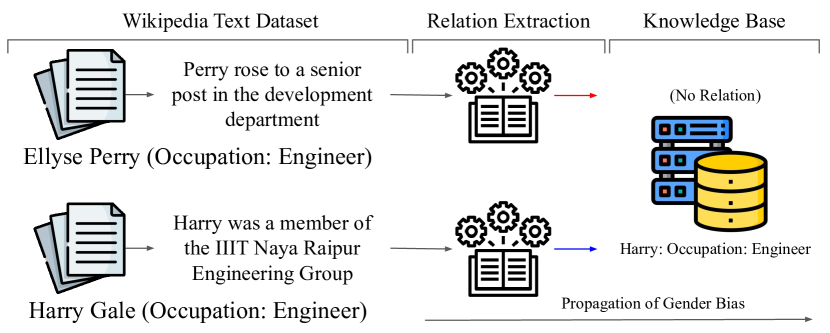
实验结果
研究问题
- RQ1测量Transformer模型中性别偏见的主导方法与指标是什么?这些方法在不同研究中的一致性如何?
- RQ2评估实践中的缺陷(如指标不完整、数据集规模小)如何影响性别偏见评估的可靠性?
- RQ3性别偏见在现实世界中的自然语言处理应用(如聊天机器人和机器翻译系统)中会产生哪些下游影响?
- RQ4为何偏见评估缺乏标准化?这种缺乏标准化如何阻碍公平性研究的进展?
- RQ5如何有效将偏见检测整合到模型开发流程中,以防止对社会造成伤害?
主要发现
- 在测量性别偏见方面存在显著共识缺失,大多数研究仅依赖单一定义,且在多种方法之间缺乏充分的并行评估。
- 许多最先进模型仅在部署后才被测试性别偏见,这在缓解措施实施前增加了社会伤害的风险。
- 如亚马逊招聘工具等案例研究表明,性别偏见可能源于反映历史性别失衡的训练数据,从而导致歧视性结果。
- 当前研究在评估标准上存在不一致,标准化基准使用有限,降低了可复现性与可比性。
- 本研究发现,偏见在预训练模型中普遍存在,大多数模型即使在中性语境下也表现出某种形式的性别化预测。
- 作者得出结论:在研究规划中早期整合偏见检测与正式的伦理审查,是构建更公平自然语言处理系统的关键。

更好的研究,从现在开始
从阅读论文到最终审阅,大幅缩短您的研究时间。
无需绑定信用卡
本解读由 AI 生成,并经人工编辑审核。