
[论文解读] Ground-breaking Exoplanet Science with the ANDES spectrograph at the ELT
论文概述了在 ELT 上的 ANDES 将如何通过高分辨率透射/发射光谱和反射光观测实现变革性系外行星研究,包括岩石行星的可行性模拟与盘物理。
In the past decade the study of exoplanet atmospheres at high-spectral resolution, via transmission/emission spectroscopy and cross-correlation techniques for atomic/molecular mapping, has become a powerful and consolidated methodology. The current limitation is the signal-to-noise ratio during a planetary transit. This limitation will be overcome by ANDES, an optical and near-infrared high-resolution spectrograph for the ELT. ANDES will be a powerful transformational instrument for exoplanet science. It will enable the study of giant planet atmospheres, allowing not only an exquisite determination of atmospheric composition, but also the study of isotopic compositions, dynamics and weather patterns, mapping the planetary atmospheres and probing atmospheric formation and evolution models. The unprecedented angular resolution of ANDES, will also allow us to explore the initial conditions in which planets form in proto-planetary disks. The main science case of ANDES, however, is the study of small, rocky exoplanet atmospheres, including the potential for biomarker detections, and the ability to reach this science case is driving its instrumental design. Here we discuss our simulations and the observing strategies to achieve this specific science goal. Since ANDES will be operational at the same time as NASA's JWST and ESA's ARIEL missions, it will provide enormous synergies in the characterization of planetary atmospheres at high and low spectral resolution. Moreover, ANDES will be able to probe for the first time the atmospheres of several giant and small planets in reflected light. In particular, we show how ANDES will be able to unlock the reflected light atmospheric signal of a golden sample of nearby non-transiting habitable zone earth-sized planets within a few tenths of nights, a scientific objective that no other currently approved astronomical facility will be able to reach.
研究动机与目标
- 描述 ANDES 将如何在多种行星类型的系外行星大气研究中实现显著进步的动机与描述。
- 定义两个主要观测模式及驱动 ANDES 行星科学的顶层要求。
- 评估岩石行星、宜居带行星与原行星盘的可行性、观测策略与模拟。
- 强调与 JWST/ARIEL 的协同,并解决如恒星污染与长周期行星信号等关键挑战。
提出的方法
- 描述 ANDES 的两种观测模式:seeing-limited 高分辨率光谱学(R≥100,000,0.5–1.8 μm)与 AO 辅助 IFU 模式(R≥100,000,YJH 波段)。
- 解释高色散透射/发射光谱与高对比度反射光技术,通过互相关来检测大气信号。
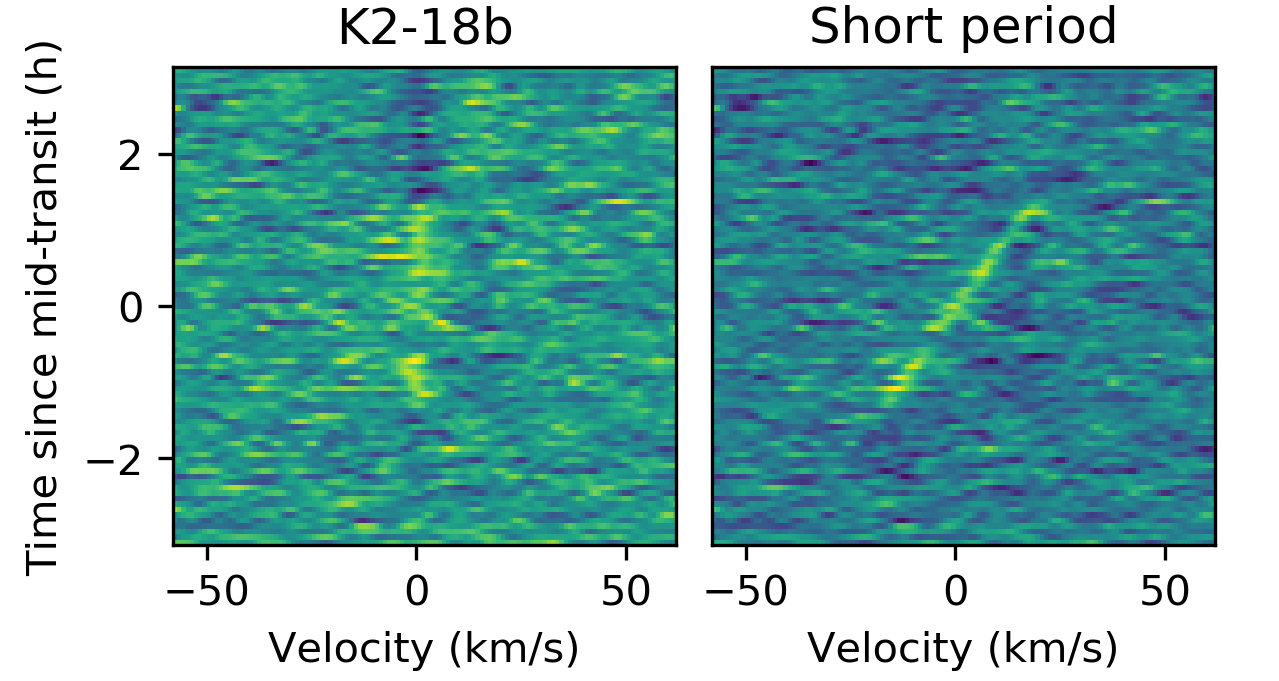
- 给出关键目标的模拟(如 TRAPPIST-1b/d、K2-18b),使用 petitRADTRANS 模型与互相关分析评估可检测性。
- 讨论大气层外/恒星污染及恒星对流对信号提取的影响,包括 3D RHD 恒星模型。
- 概述 PCA/SYSREM 技术对长周期行星信号恢复的影响,以及需要改进的数据分析方法。
实验结果
研究问题
- RQ1ANDES 能否通过透射光谱实现对岩石、宜居温带系外行星的大气特征表征?
- RQ2哪些观测策略和曝光方案能最大化在透射和反射光模式下检测大气信号的信噪比?
- RQ3高对比度高分辨率观测如何实现对近距离非凌日宜居区地球大小行星的反射光探测?
- RQ4限制检测长周期行星的主要挑战(恒星污染、地球大气线、如 PCA 的数据驱动信号去除)是什么,如何缓解?
- RQ5ANDES 将如何与 JWST、ARIEL 以及其他设施协同,推动多分辨率系外行星大气研究?
主要发现
- ANDES 的高光谱分辨率与 AO 辅助 IFU 模式有望揭示广泛系外行星的大气与表面特征,包括岩石目标与反射光探测。
- TRAPPIST-1b/d 与 K2-18b 的模拟显示,通过多次凌日和互相关模板可实现透射光谱的可行性。
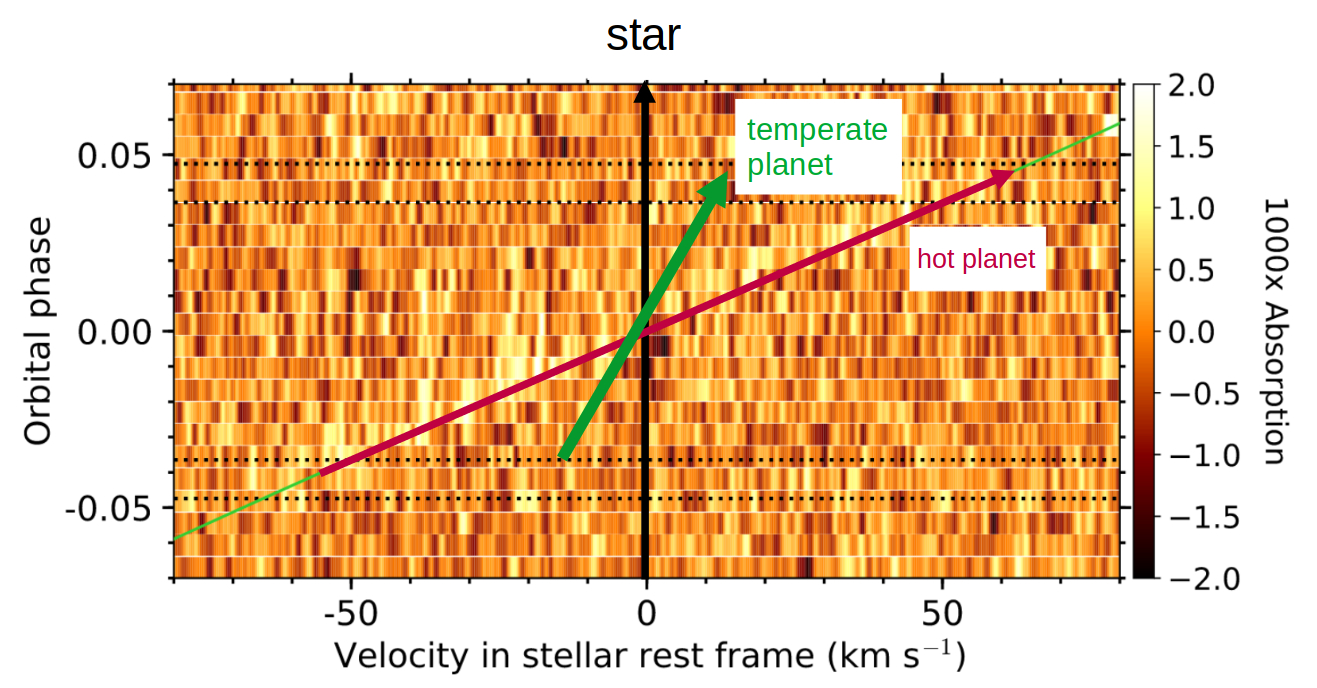
- 长周期行星对当前数据处理方法(如 PCA/SYSREM)提出显著挑战,因为在凌日或发射期间信号变化缓慢且信号基本为准静态,导致恢复信号下降。
- 恒星对流与三维辐射水动力学(RHD)效应引入时变的恒星线特征,可能污染行星信号,需高级恒星建模。
- 本文预期与 JWST/ARIEL 存在强烈协同,并声称 ANDES 在探测反射光大气方面具有独特能力,包括潜在宜居带的非凌日行星。
- 在实现 1 m/s 径向速度标定(目标 20 cm/s)与在观测时间尺度上维持 PSF 稳定性与平场精度方面存在技术挑战。
更好的研究,从现在开始
从论文设计到论文写作,大幅缩短您的研究时间。
无需绑定信用卡
本解读由 AI 生成,并经人工编辑审核。