
[论文解读] Harvard Undergraduate Survey on Generative AI
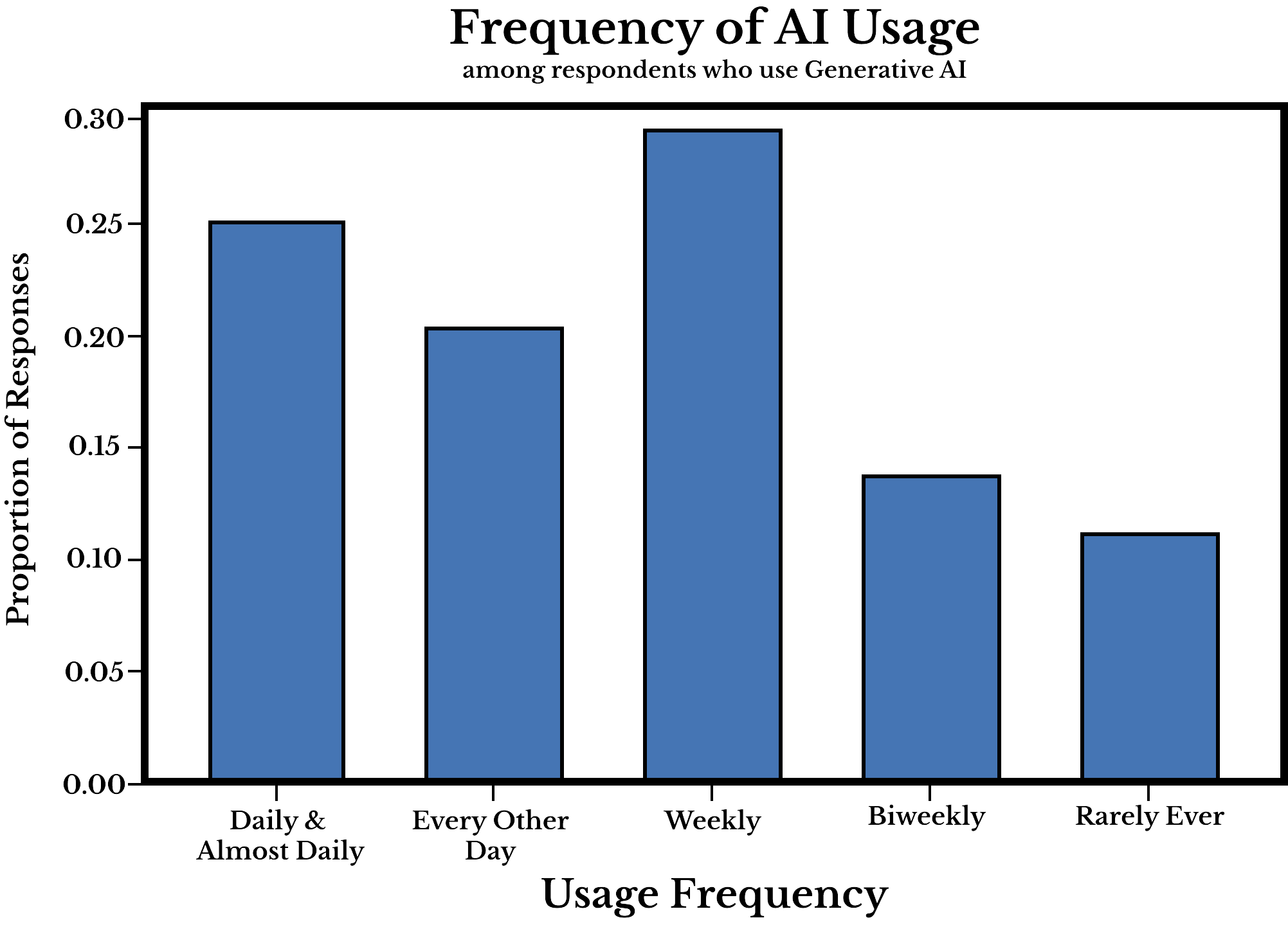
本研究对326名哈佛大学本科生进行调查,以探讨生成式AI对学术习惯、职业规划及社会关切的影响。研究发现87.5%的学生定期使用AI,其中25%已用AI替代了办公时间与阅读材料;超过一半的学生担忧AI对职业的影响,40%将AI灭绝风险视为与大流行病和核战争同等紧迫的全球优先事项。论文建议推出AI访问项目、具备AI意识的职业服务,并开设关于AI社会影响的新课程。
How has generative AI impacted the experiences of college students? We study the influence of AI on the study habits, class choices, and career prospects of Harvard undergraduates (n=326), finding that almost 90% of students use generative AI. For roughly 25% of these students, AI has begun to substitute for attending office hours and completing required readings. Half of students are concerned that AI will negatively impact their job prospects, and over half of students wish that Harvard had more classes on the future impacts of AI. We also investigate students' outlook on the broader social implications of AI, finding that half of students are worried that AI will increase economic inequality, and 40% believe that extinction risk from AI should be treated as a global priority with the same urgency as pandemics and nuclear war. Around half of students who have taken a class on AI expect AI to exceed human capabilities on almost all tasks within 30 years. We make some recommendations to the Harvard community in light of these results.
研究动机与目标
- 了解生成式AI如何重塑哈佛大学本科生的学术行为,包括学习习惯、课程选择与职业规划。
- 评估学生对AI社会风险的担忧,包括经济不平等、灭绝风险及劳动力市场动荡。
- 通过识别当前学术课程、心理健康支持与职业服务在AI相关方面的缺口,为大学政策提供依据。
- 为哈佛大学及其他机构提供切实可行的建议,以更好地帮助学生应对人工智能驱动的未来。
提出的方法
- 对哈佛大学本科生开展全校范围的调查,共收集326份有效回应,并通过阅读理解测试筛选,以确保数据质量。
- 使用描述性统计与列联表分析AI使用频率、学术活动替代情况及人口统计模式。
- 收集学生对AI在职业前景、心理健康及社会风险(如不平等与灭绝)方面影响的看法。
- 通过李克特量表与开放性问题评估学生对AI相关课程与职业支持的需求与态度。
- 基于调查发现提出政策建议,包括AI访问项目、具备AI意识的职业服务及新跨学科课程。
- 分析样本的人口统计代表性,注意到亚裔学生与计算机科学专业学生略有过度代表。
实验结果
研究问题
- RQ1哈佛大学本科生在学术工作中在多大程度上使用生成式AI?不同学生群体的使用频率有何差异?
- RQ2生成式AI在多大程度上影响了学生的学业习惯,包括用AI替代办公时间与必读书籍?
- RQ3学生如何看待AI对其未来职业的影响?这些看法如何影响其课程选择?
- RQ4学生对AI带来的更广泛社会风险(如经济不平等与灭绝)有何担忧?
- RQ5学生认为哪些机构干预措施——如新课程、心理健康支持或AI访问——最能帮助他们为人工智能驱动的未来做好准备?
主要发现
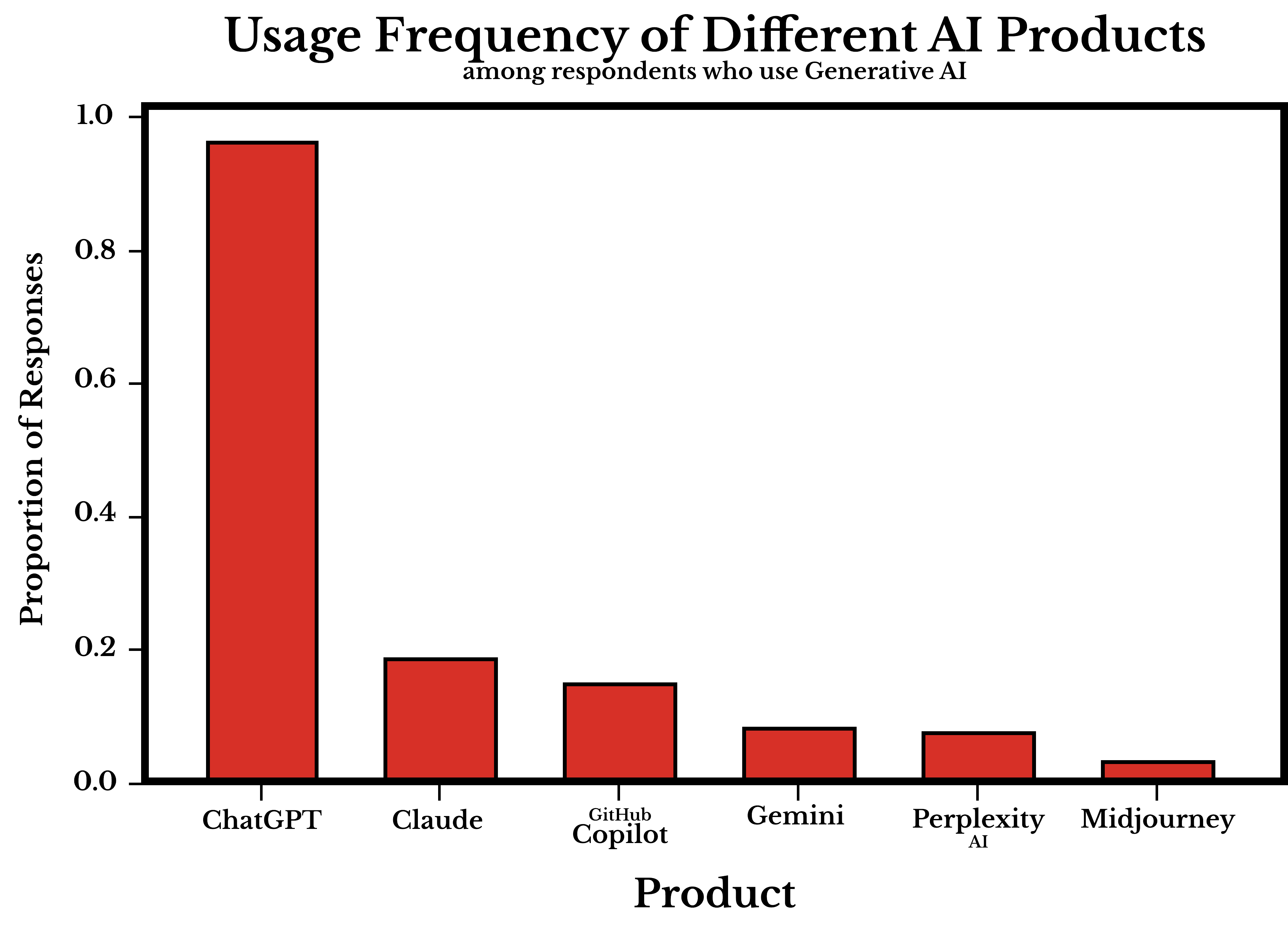
- 受访哈佛大学本科生中87.5%使用生成式AI,其中95%的用户报告定期使用ChatGPT。
- 约25%的AI用户已用生成式AI替代了参加办公时间或完成必修阅读。
- 50%的学生担心AI将对其就业前景产生负面影响,且超过一半希望哈佛能开设更多关于AI未来影响的课程。
- 一半学生担忧AI将加剧经济不平等,40%认为AI灭绝风险应与大流行病和核战争并列为全球优先事项。
- 在曾修读AI课程的学生中,50%预计AI将在30年内在几乎所有任务上超越人类能力。
- 超过40%的学生预计AI将在其有生之年内超越人类,引发对教育中意义与目的的担忧。
更好的研究,从现在开始
从阅读论文到最终审阅,大幅缩短您的研究时间。
无需绑定信用卡
本解读由 AI 生成,并经人工编辑审核。