
[论文解读] How important are socioeconomic factors for hurricane performance of power systems? An analysis of disparities through machine learning
本研究采用随机森林机器学习方法结合平均准确率下降(MDA)分析佛罗里达州飓风引发的停电表现,发现社会经济因素——尤其是种族/族裔、语言能力及失业率——占模型重要性的48%,表明电网韧性方面存在显著的社会不平等。
This paper investigates whether socioeconomic factors are important for the hurricane performance of the electric power system in Florida. The investigation is performed using the Random Forest classifier with Mean Decrease of Accuracy (MDA) for measuring the importance of a set of factors that include hazard intensity, time to recovery from maximum impact, and socioeconomic characteristics of the affected population. The data set (at county scale) for this study includes socioeconomic variables from the 5-year American Community Survey (ACS), as well as wind velocities, and outage data of five hurricanes including Alberto and Michael in 2018, Dorian in 2019, and Eta and Isaias in 2020. The study shows that socioeconomic variables are considerably important for the system performance model. This indicates that social disparities may exist in the occurrence of power outages, which directly impact the resilience of communities and thus require immediate attention.
研究动机与目标
- 调查社会经济因素是否影响佛罗里达州飓风期间电力系统的运行表现。
- 量化社会经济变量相对于灾害强度和恢复时间在预测停电结果中的相对重要性。
- 采用数据驱动的机器学习方法,解决电力系统韧性中的社会不平等现象。
- 利用多个飓风的公开可用数据,确保模型的泛化能力和透明度。
- 评估模型在数据不平衡条件及不同训练/测试划分下的稳健性。
提出的方法
- 采用随机森林分类器,基于县级层面的输入变量预测二元系统表现(受损/未受损)。
- 使用平均准确率下降(MDA)衡量变量重要性,降低传统置换重要性方法的偏差。
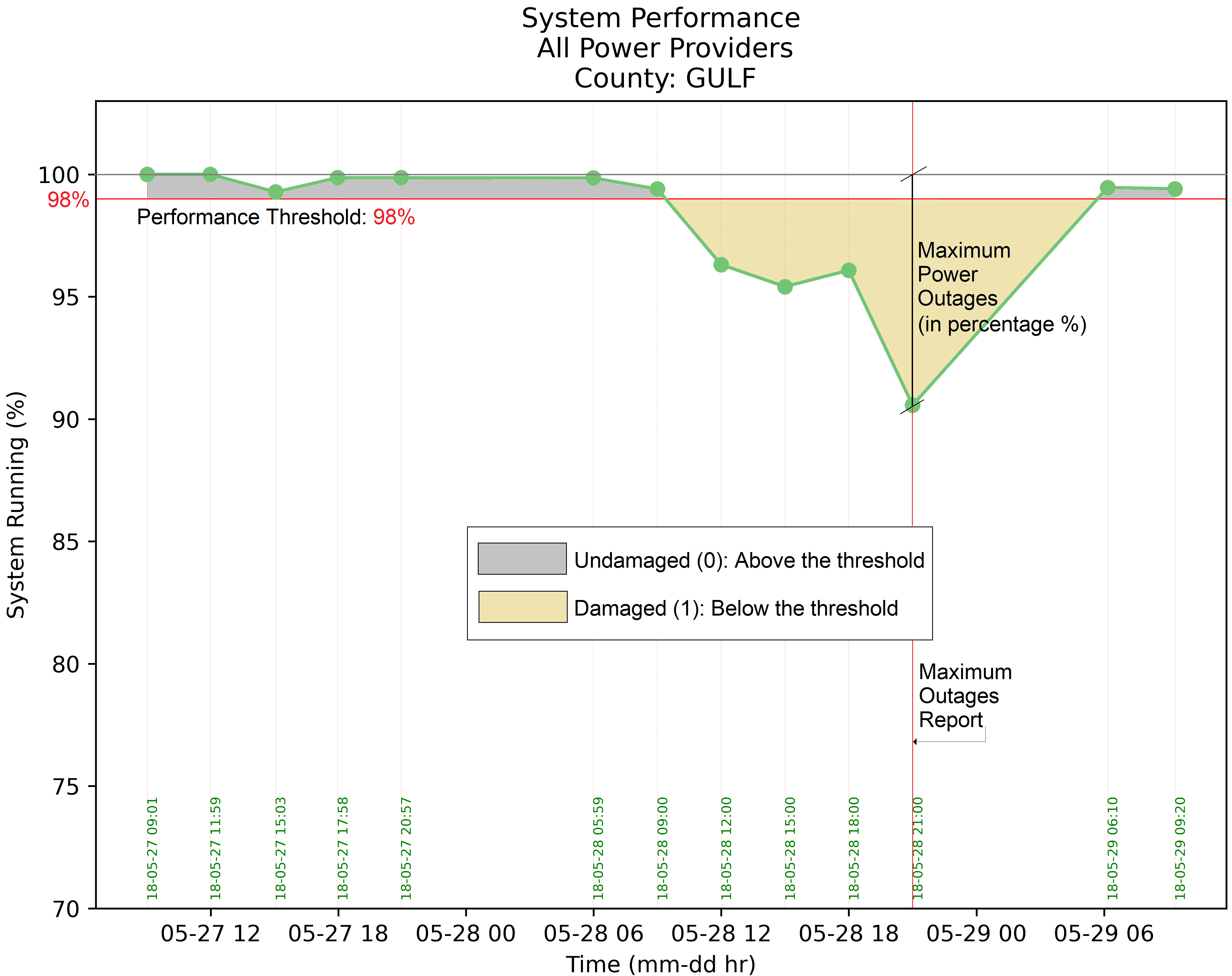
- 整合2018–2020年间五场飓风(Alberto、Michael、Dorian、Eta、Isaias)的数据,采用县级停电阈值(2%用户停电)。
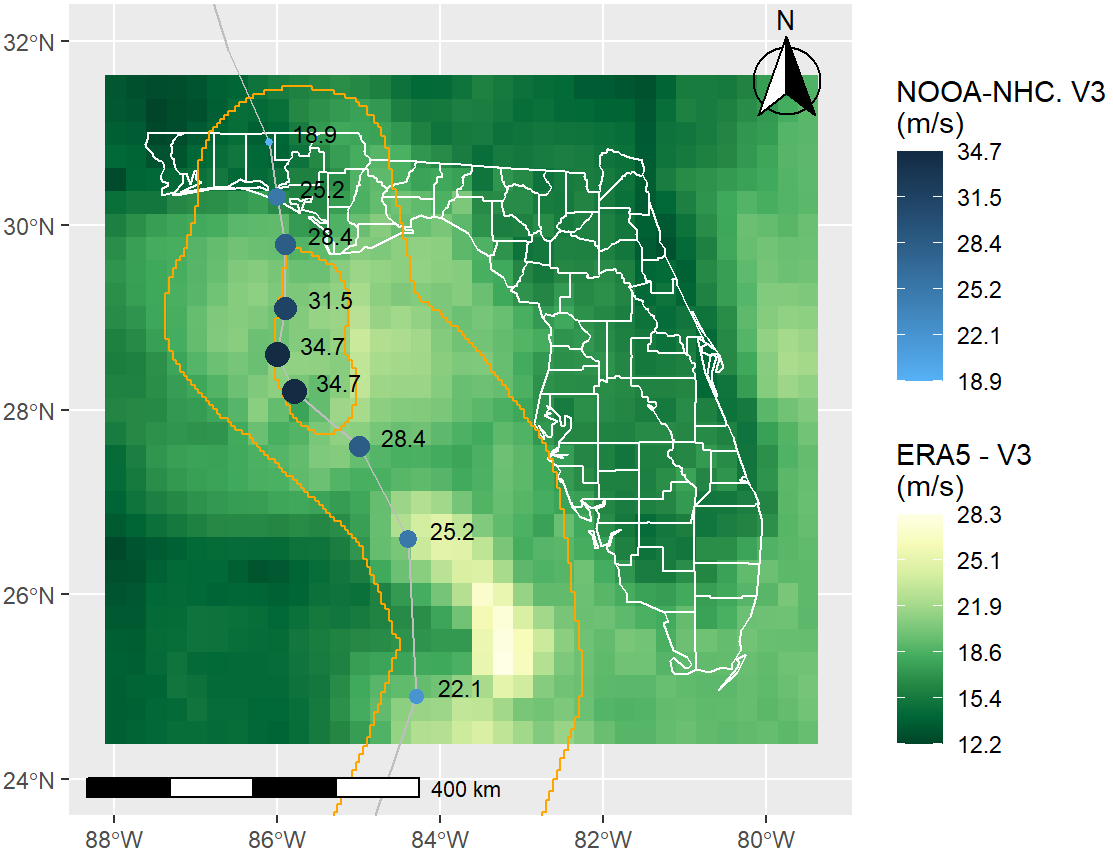
- 整合来自5年美国社区调查(ACS)的社会经济变量、ERA5再分析风速数据及恢复时间指标。
- 进行1000次随机训练-测试划分,以评估模型在数据不平衡条件下的稳定性与稳健性。
- 使用准确率、AUC和F1-score评估模型性能,特别关注少数类“受损”类别的表现。
实验结果
研究问题
- RQ1社会经济因素在多大程度上影响佛罗里达州飓风期间电力系统受损的可能性?
- RQ2社会经济变量在预测停电表现方面,与风灾强度和恢复时间相比,其重要性如何?
- RQ3在多次随机数据划分和模型迭代中,变量重要性排序的稳定性如何?
- RQ4哪些具体的社会经济指标(例如种族、语言能力、失业率)对停电结果最具预测力?
- RQ5数据不平衡如何影响模型性能与可靠性,特别是在检测“受损”系统状态方面?
主要发现
- 社会经济变量合计占模型预测重要性的48%,表明其在停电表现中具有高度影响力。
- 最重要的社会经济预测因子依次为:其他族裔人口比例(6.31% MDA)、有限英语能力(4.99%)、拉丁裔人口比例(3.35%)、失业率(2.91%)及印度裔美国人比例(2.77%)。
- 风灾变量贡献了49%的重要性,其中历史最大风速为最关键因素(39.81% MDA)。
- 平均模型准确率为91%,但“受损”类别的F1-score仅为31%,表明对高影响停电的检测能力较差。
- 模型在1000次迭代中表现差异显著,AUC范围从0.594(最差)至0.995(最好),凸显数据不平衡导致的不稳定性。
- 尽管总体准确率较高,模型对“受损”类别的召回率较低,表明其对严重停电事件存在低估,对应急规划构成风险。
更好的研究,从现在开始
从阅读论文到最终审阅,大幅缩短您的研究时间。
无需绑定信用卡
本解读由 AI 生成,并经人工编辑审核。