
[论文解读] Impact of unreliable devices on stability of quantum computations
本文提出一种框架,通过分析设备表征数据中的时变噪声统计,利用相似性度量来量化噪声中等规模量子(NISQ)设备的可靠性。该框架基于量子门保真度、退相干时间、SPAM 和串扰误差的联合概率分布,推导出可观测量稳定性的理论边界,并通过在 IBM Washington 超导设备上对 Bernstein-Vazirani 电路进行仿真验证了该方法。结果显示,设备性能在月度尺度上存在显著波动,表明当归一化相似度阈值超过 2.2% 时,难以实现可重复结果。
Noisy intermediate-scale quantum (NISQ) devices are valuable platforms for testing the tenets of quantum computing, but these devices are susceptible to errors arising from de-coherence, leakage, cross-talk and other sources of noise. This raises concerns regarding the stability of results when using NISQ devices since strategies for mitigating errors generally require well-characterized and stationary error models. Here, we quantify the reliability of NISQ devices by assessing the necessary conditions for generating stable results within a given tolerance. We use similarity metrics derived from device characterization data to derive and validate bounds on the stability of a 5-qubit implementation of the Bernstein-Vazirani algorithm. Simulation experiments conducted with noise data from IBM Washington, spanning January 2022 to April 2023, revealed that the reliability metric fluctuated between 41% and 92%. This variation significantly surpasses the maximum allowable threshold of 2.2% needed for stable outcomes. Consequently, the device proved unreliable for consistently reproducing the statistical mean in the context of the Bernstein-Vazirani circuit.
研究动机与目标
- 为解决由于非平稳噪声过程导致的 NISQ 设备长期稳定性评估方法缺失问题。
- 开发一种严格的框架,用于在时间和空间尺度上评估设备可靠性。
- 量化关键误差指标波动对计算稳定性与可重复性的影响。
- 利用超导 transmon 设备的真实表征数据验证可靠性边界。
- 通过支持特定应用的可靠性阈值,为未来基准测试协议提供支持。
提出的方法
- 使用时间分辨的设备可观测量概率分布之间的相似性度量——特别是归一化 Hellinger 距离——来评估可靠性。
- 通过噪声参数(量子门保真度、退相干时间、SPAM 和串扰)的联合概率分布,推导可观测量稳定性的理论边界。
- 应用 Hölder 不等式和积分近似方法,对量子线路结果在时间上的变化进行边界约束。
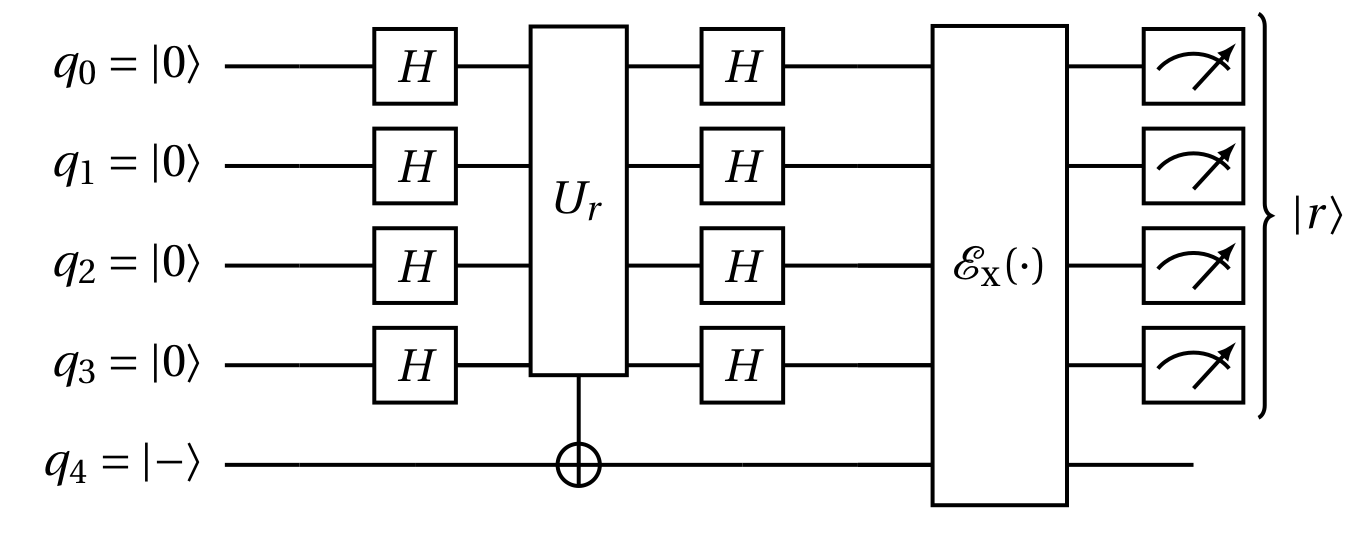
- 采用 IBM Washington 设备的月度表征数据,对 Bernstein-Vazirani 算法进行仿真,评估 1.5 年内的稳定性。
- 通过比较不同时刻的分布并评估其相似性,来建模非平稳噪声,从而推断可靠性。
- 通过数值仿真验证边界,并分析近似误差对边界紧致性的影响。
实验结果
研究问题
- RQ1NISQ 设备中时变噪声统计如何影响量子线路结果的稳定性?
- RQ2设备表征指标与量子计算结果可重复性之间存在何种关系?
- RQ3在多大程度上可从噪声参数的联合概率分布中推导出可观测量稳定性的理论边界?
- RQ4归一化 Hellinger 距离如何作为跨时间量化设备可靠性的可靠度量?
- RQ5这些边界对现实世界 NISQ 设备中误差缓解和基准测试的实际影响是什么?
主要发现
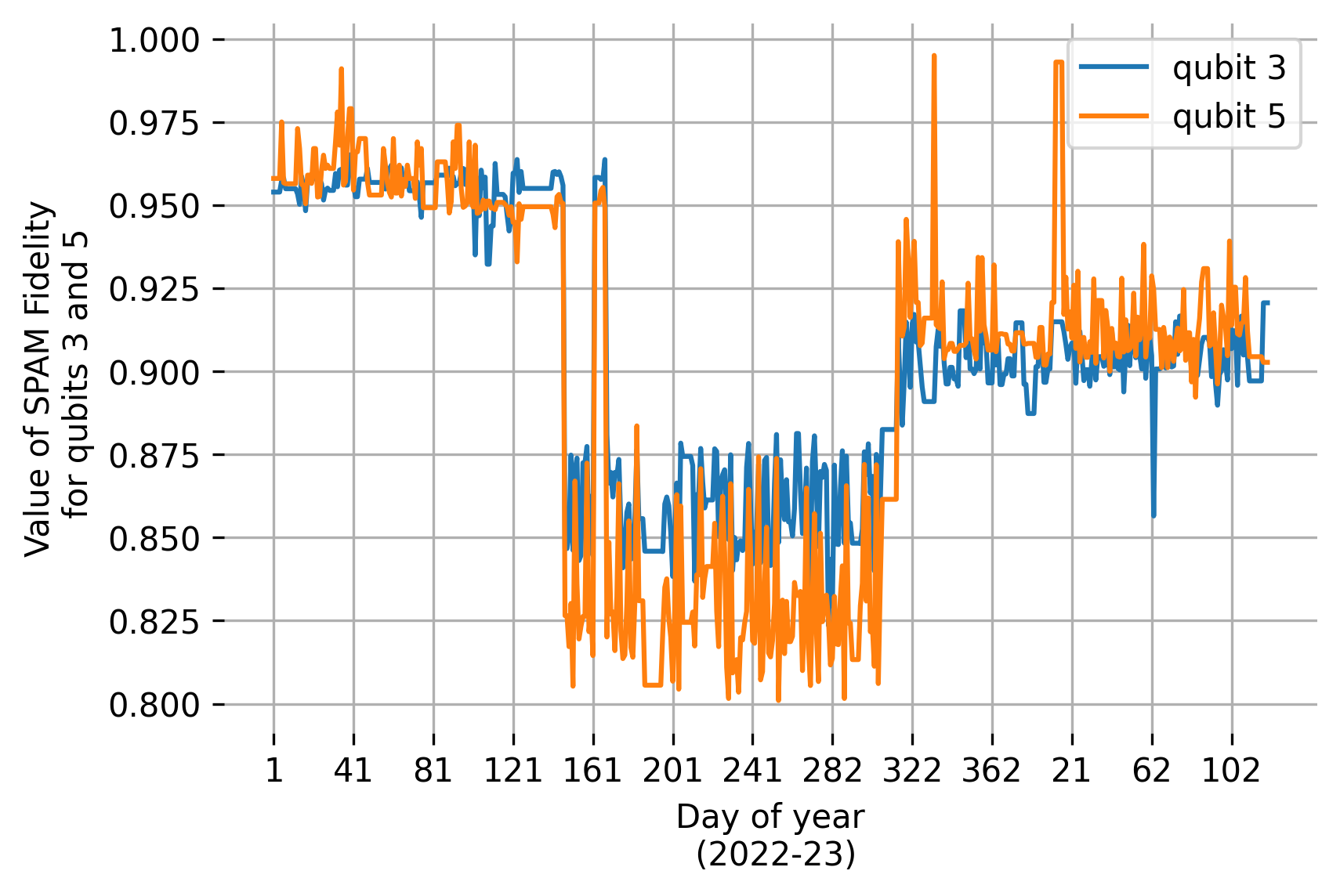
- 在 1.5 年的时间跨度内,不同时间点设备状态之间的归一化 Hellinger 距离在 0.41 到 0.92 之间波动,表明 IBM Washington 设备存在显著不稳定性。
- 为确保 Bernstein-Vazirani 电路的平均输出值保持在原始值的 ±0.25 范围内,需要设定 2.2% 的归一化相似度阈值,但该阈值并未被持续满足。
- 由于三个因素,可观测量稳定性的理论边界较松:使用 Hölder 不等式、采用最大可观测量值进行近似,以及噪声行为的非单调性。
- 当后期时间的噪声分布被早期分布随机支配时,边界变得更紧,这种情况发生在校准之间。
- 研究发现,当前基准测试方法未能考虑非平稳噪声,从而损害了可重复性与不确定性量化。
- 该框架支持特定应用的可靠性阈值,并有助于改进校准元数据与协议设计,以实现更稳定的量子计算。
更好的研究,从现在开始
从阅读论文到最终审阅,大幅缩短您的研究时间。
无需绑定信用卡
本解读由 AI 生成,并经人工编辑审核。