
[论文解读] Implementing AI Ethics: Making Sense of the Ethical Requirements
本文在敏捷组合管理框架内提出了一种伦理风险需求层级结构,以帮助中高层软件工程(SE)管理者切实落实人工智能伦理。研究发现,尽管隐私和数据治理被视为法律合规事项,但诸如技术稳健性、安全性及社会福祉等伦理需求,最有效地通过风险和可持续性需求来实现,显著提升了其在管理实践中的可见性与整合度。
Society's increasing dependence on Artificial Intelligence (AI) and AI-enabled systems require a more practical approach from software engineering (SE) executives in middle and higher-level management to improve their involvement in implementing AI ethics by making ethical requirements part of their management practices. However, research indicates that most work on implementing ethical requirements in SE management primarily focuses on technical development, with scarce findings for middle and higher-level management. We investigate this by interviewing ten Finnish SE executives in middle and higher-level management to examine how they consider and implement ethical requirements. We use ethical requirements from the European Union (EU) Trustworthy Ethics guidelines for Trustworthy AI as our reference for ethical requirements and an Agile portfolio management framework to analyze implementation. Our findings reveal a general consideration of privacy and data governance ethical requirements as legal requirements with no other consideration for ethical requirements identified. The findings also show practicable consideration of ethical requirements as technical robustness and safety for implementation as risk requirements and societal and environmental well-being for implementation as sustainability requirements. We examine a practical approach to implementing ethical requirements using the ethical risk requirements stack employing the Agile portfolio management framework.
研究动机与目标
- 调查中高层SE管理者如何理解并实施AI系统中的伦理需求。
- 解决管理层面在实际伦理需求实施方面的空白,因为多数研究集中于技术开发层面。
- 探讨如何通过将伦理需求与风险和可持续性框架关联,使其在SE管理中更具可见性与可操作性。
- 开发一种实用且可扩展的方法,利用现有的敏捷组合管理工具,将伦理需求嵌入管理决策过程。
提出的方法
- 对十位芬兰中高层管理角色的SE管理者进行了半结构化访谈。
- 以欧盟《可信人工智能伦理指南》作为伦理需求的参考框架。
- 应用敏捷组合管理框架,分析当前伦理需求的考虑与实施方式。
- 开发了‘伦理风险需求层级结构’,将伦理需求转化为风险与可持续性关切。
- 将伦理需求映射至技术稳健性、安全性、社会福祉及环境可持续性,以实现实际应用。
- 通过简化且已存在的工具与流程,评估将伦理需求整合到现有管理实践的可行性。
实验结果
研究问题
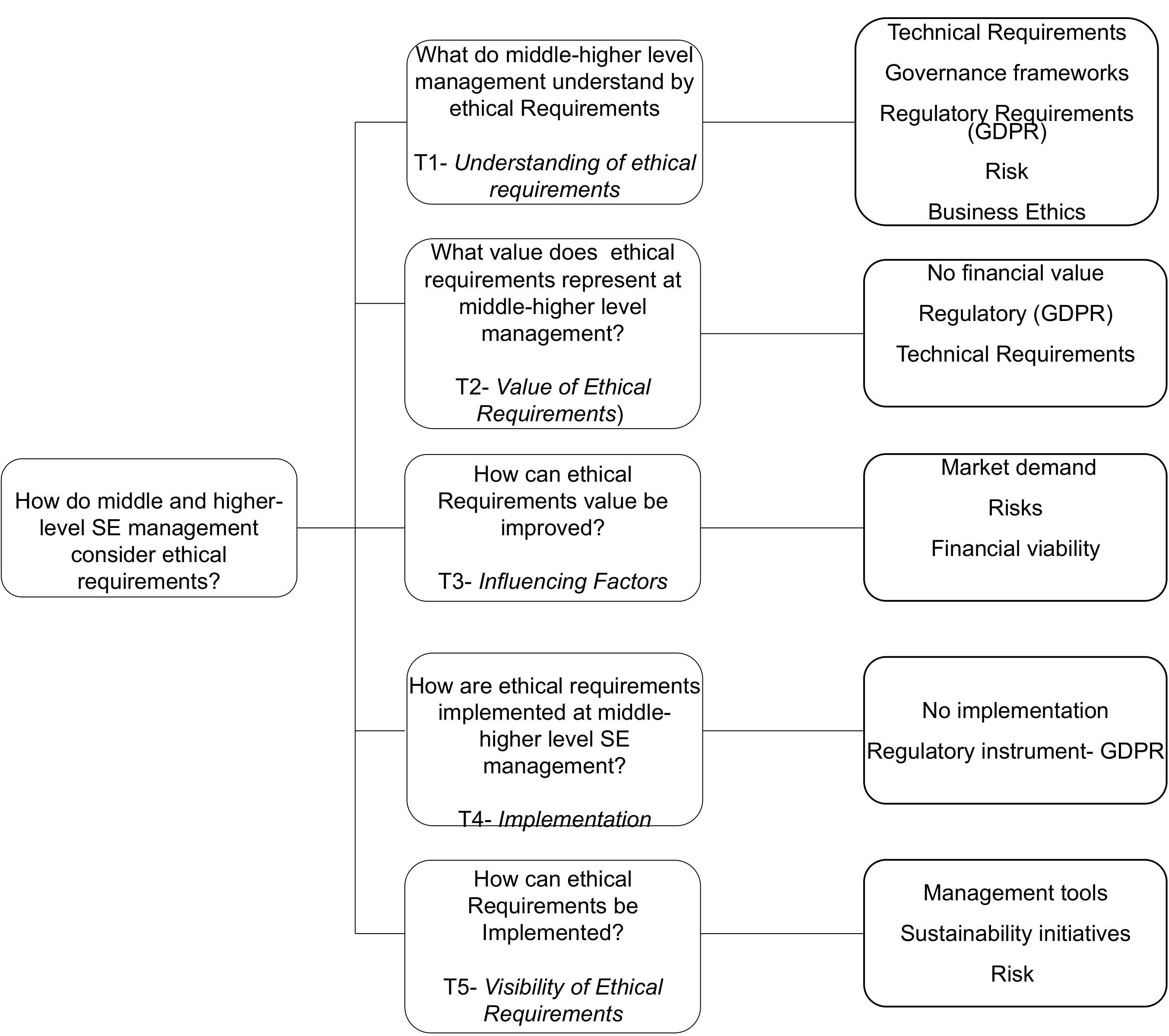
- RQ1中高层SE管理者如何理解伦理需求?
- RQ2在中高层管理层面,伦理需求代表何种价值?
- RQ3如何在管理决策中提升伦理需求的价值?
- RQ4当前中高层SE管理层面如何实施伦理需求?
- RQ5如何利用现有管理框架实际实施伦理需求?
主要发现
- 高管普遍将伦理需求视为法律或监管义务,尤其在隐私与数据治理方面,对更广泛的伦理原则关注甚少。
- 技术稳健性与安全性被视为风险需求,而社会与环境福祉则被定位为可持续性需求,表明向实际整合的转变。
- 伦理需求的价值未被视作具有财务收益,但通过将其整合为风险与可持续性需求,显著提升了其可见性与战略相关性。
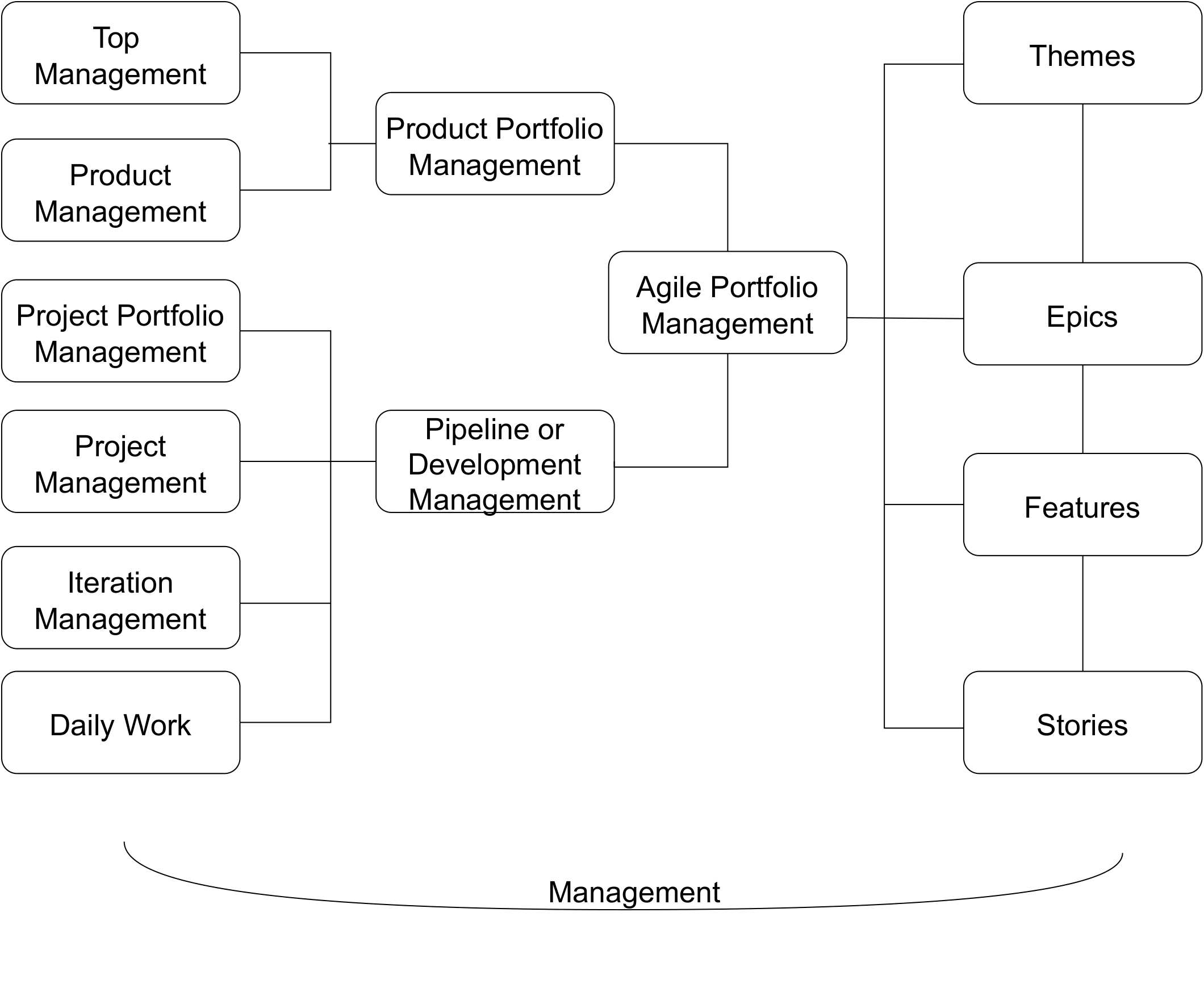
- 采用‘伦理风险需求层级结构’的实用方法,使高管能够通过现有的敏捷组合管理工具与流程实施伦理需求。
- 研究表明,当伦理需求被重新表述为风险与可持续性关切,而非抽象伦理原则时,其实施最为有效。
- 风险管理中缺乏结构化的伦理需求框架,导致人工智能系统中存在漏洞与未管理的伦理风险。
更好的研究,从现在开始
从阅读论文到最终审阅,大幅缩短您的研究时间。
无需绑定信用卡
本解读由 AI 生成,并经人工编辑审核。