
[论文解读] Leaf-Based Plant Disease Detection and Explainable AI
本综述提出了一种基于深度学习和可解释人工智能(XAI)的叶部植物病害检测综合框架,以提高模型的透明度。该研究在基准数据集上评估了卷积神经网络(CNN)和Transformer模型,并整合了LIME、GradCAM和GradCAM++以实现视觉可解释性,结果表明XAI技术能有效定位叶片图像中的感染区域,从而增强农业应用中对模型的信任与决策能力。
The agricultural sector plays an essential role in the economic growth of a country. Specifically, in an Indian context, it is the critical source of livelihood for millions of people living in rural areas. Plant Disease is one of the significant factors affecting the agricultural sector. Plants get infected with diseases for various reasons, including synthetic fertilizers, archaic practices, environmental conditions, etc., which impact the farm yield and subsequently hinder the economy. To address this issue, researchers have explored many applications based on AI and Machine Learning techniques to detect plant diseases. This research survey provides a comprehensive understanding of common plant leaf diseases, evaluates traditional and deep learning techniques for disease detection, and summarizes available datasets. It also explores Explainable AI (XAI) to enhance the interpretability of deep learning models' decisions for end-users. By consolidating this knowledge, the survey offers valuable insights to researchers, practitioners, and stakeholders in the agricultural sector, fostering the development of efficient and transparent solutions for combating plant diseases and promoting sustainable agricultural practices.
研究动机与目标
- 提供对主要作物常见叶部病害及其对农业生产力影响的全面综述。
- 评估传统方法与深度学习技术在自动化叶部病害检测中的表现,重点关注性能与局限性。
- 分析现有公开的植物叶部病害检测数据集,识别数据多样性与质量方面的不足。
- 整合可解释人工智能(XAI)技术,如LIME、GradCAM与GradCAM++,以提升深度学习模型在植物病害分类中的可解释性。
- 识别未来研究方向,包括病害阶段识别、多重感染检测以及病害负荷量化。
提出的方法
- 对240余篇基于计算机视觉与深度学习的植物病害检测研究进行系统性综述。
- 在标准基准数据集上评估最先进模型,包括EfficientNet、DenseNet与GoogleNet。
- 应用XAI技术——LIME、GradCAM与GradCAM++——生成显著性图,以突出显示叶片图像中的病害区域。
- 使用热力图叠加方式直观解释模型预测结果,提升透明度与用户信任。
- 分析PlantVillage、CUB-200等数据集,评估其在训练鲁棒模型方面的适用性与局限性。
- 通过对比分析模型性能、可解释性与实际应用潜力,识别研究空白。
实验结果
研究问题
- RQ1在多种植物物种中,哪些深度学习架构在叶部病害分类任务中表现最佳?
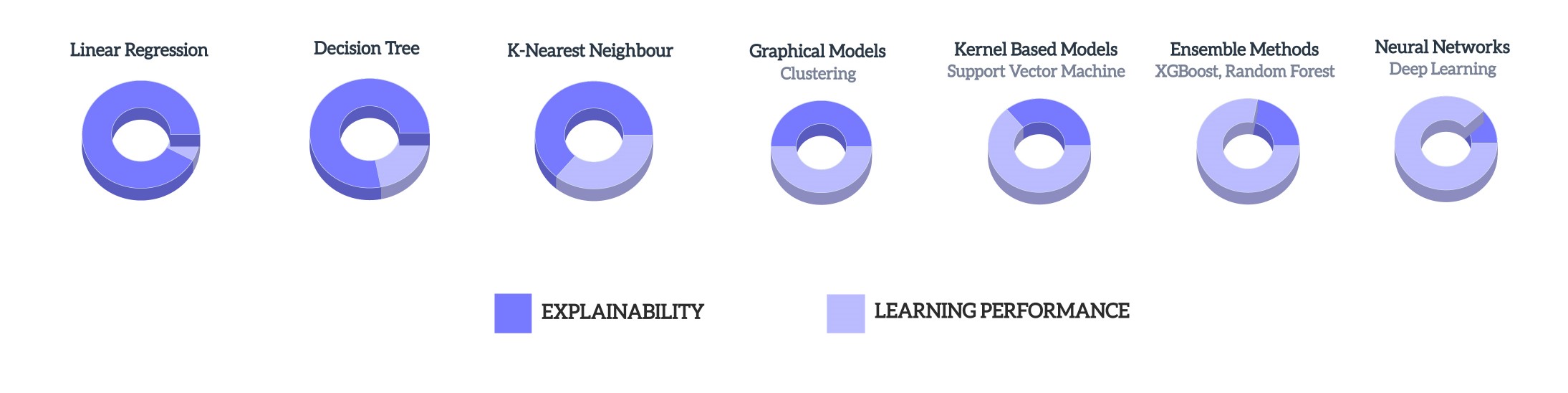
- RQ2GradCAM与LIME等XAI技术在定位叶片图像中病害区域方面的有效性如何?
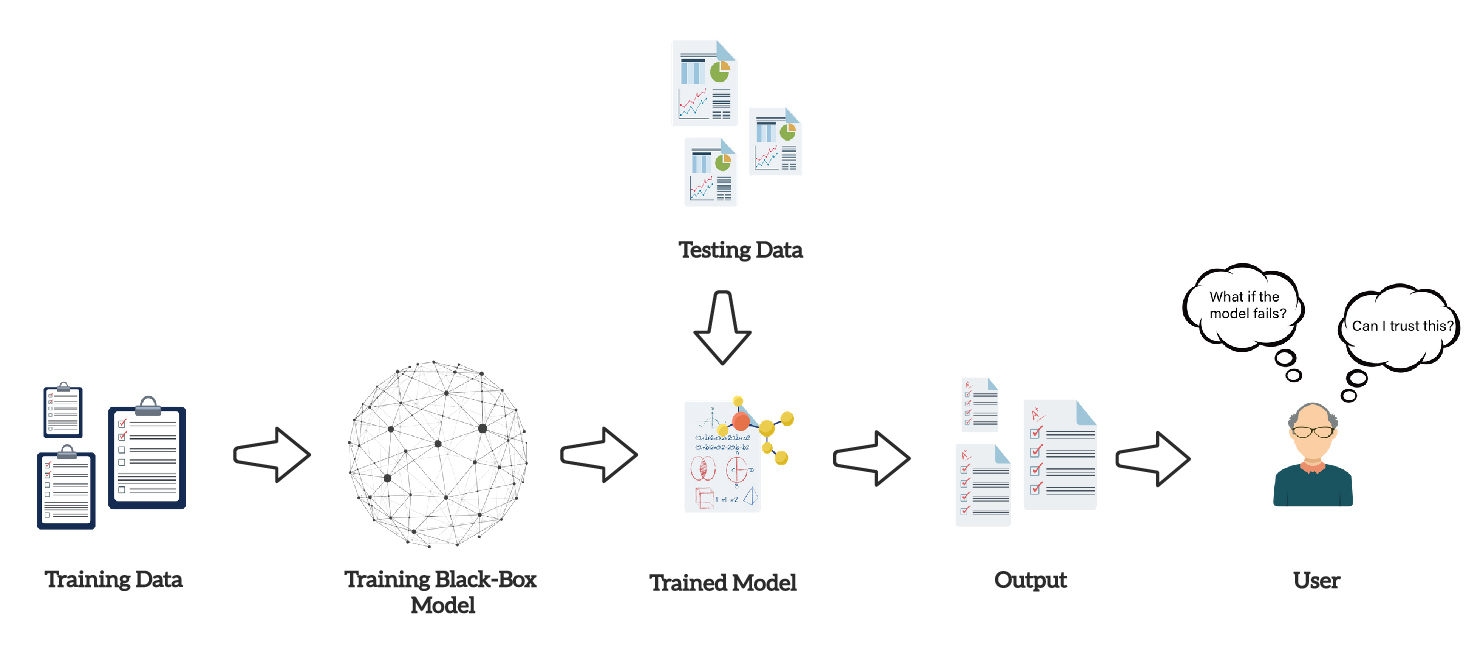
- RQ3当前黑箱深度学习模型在农业应用中的主要局限性是什么?XAI如何解决这些问题?
- RQ4如何通过病害阶段识别(健康、初期、中期、晚期)实现早期干预并减少作物损失?
- RQ5在单张叶片上同时检测多重感染面临哪些挑战?模型应如何改进以应对这些挑战?
主要发现
- 与早期模型相比,EfficientNet、DenseNet与GoogleNet在基准数据集上表现出更优的叶部病害分类性能,准确率较高。
- GradCAM与GradCAM++等XAI技术通过热力图叠加方式成功定位叶片图像中的感染区域,显著提升了模型的可解释性。
- LIME提供针对单个样本的解释,有助于用户理解具体预测结果,但其空间精度低于基于梯度的方法。
- 将XAI与深度学习模型结合可增强信任与透明度,使基于人工智能的系统更适用于农业实际部署。
- 尽管已取得进展,当前XAI方法仍受限于人类解释中的偏见以及缺乏逻辑一致性,亟需进一步发展以实现可靠的决策支持。
- 未来研究应聚焦于病害阶段分类、多重感染检测以及病害负担的定量估算,以推动精准农业的发展。
更好的研究,从现在开始
从阅读论文到最终审阅,大幅缩短您的研究时间。
无需绑定信用卡
本解读由 AI 生成,并经人工编辑审核。