
[论文解读] Maritime Communications: A Survey on Enabling Technologies, Opportunities, and Challenges
本综述对海事通信技术进行了全面分析,涵盖射频(RF)与光频段、信道建模、调制技术、资源管理,以及诸如船舶互联网(IoS)和水下物联网(IoUT)等新兴应用。它识别出关键挑战,如深海宽带接入与跨介质通信,并提出未来研究方向,包括太赫兹通信与可见光通信,以及基于机器学习的传播建模。
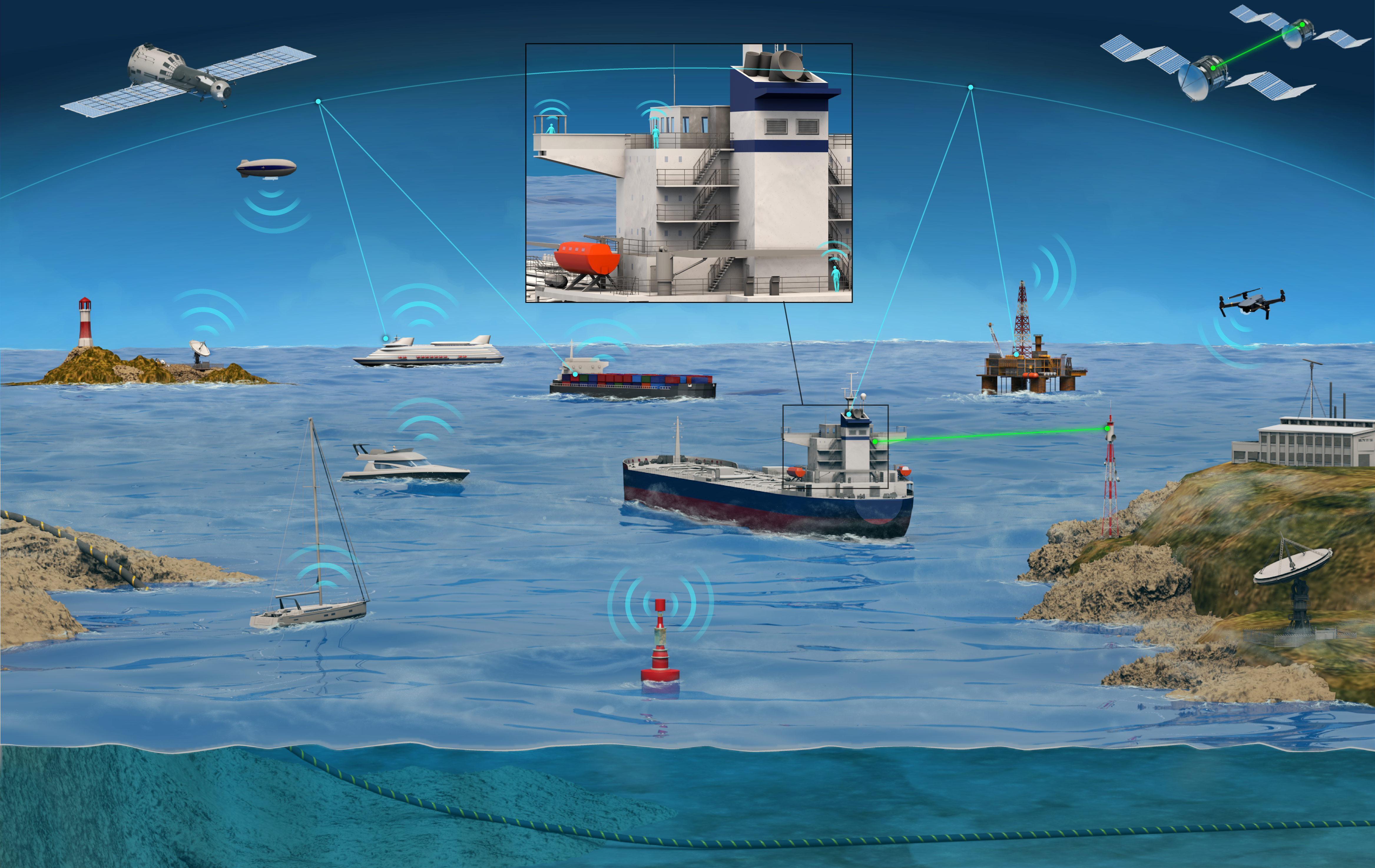
Water covers 71% of the Earth's surface, where the steady increase in oceanic activities has promoted the need for reliable maritime communication technologies. The existing maritime communication systems involve terrestrial, aerial, and satellite networks. This paper presents a holistic overview of the different forms of maritime communications and provides the latest advances in various marine technologies. The paper first introduces the different techniques used for maritime communications over the RF and optical bands. Then, we present the channel models for RF and optical bands, modulation and coding schemes, coverage and capacity, and radio resource management in maritime communications. After that, the paper presents some emerging use cases of maritime networks, such as the Internet of Ships (IoS) and the ship-to-underwater Internet of things (IoT). Finally, we highlight a few exciting open challenges and identify a set of future research directions for maritime communication, including bringing broadband connectivity to the deep sea, using THz and visible light signals for on-board applications, and data-driven modeling for radio and optical marine propagation.
研究动机与目标
- 应对由于航运、海上能源和旅游业等活动增加,对可靠、高速海事通信日益增长的需求。
- 识别现有系统(尤其是4G/5G和卫星网络)在覆盖范围、成本、带宽和深海连接方面的局限性。
- 探索自由空间光学(FSO)、无人机(UAVs)和混合射频-自由空间光(RF-FSO)系统等新兴技术,以提升数据速率和可靠性。
- 研究新型应用场景,包括船舶互联网(IoS)和船对水下物联网(IoUT),用于环境与运行监控。
- 突出开放挑战并提出未来研究方向,包括太赫兹通信与可见光通信,以及海洋传播信道的数据驱动建模。
提出的方法
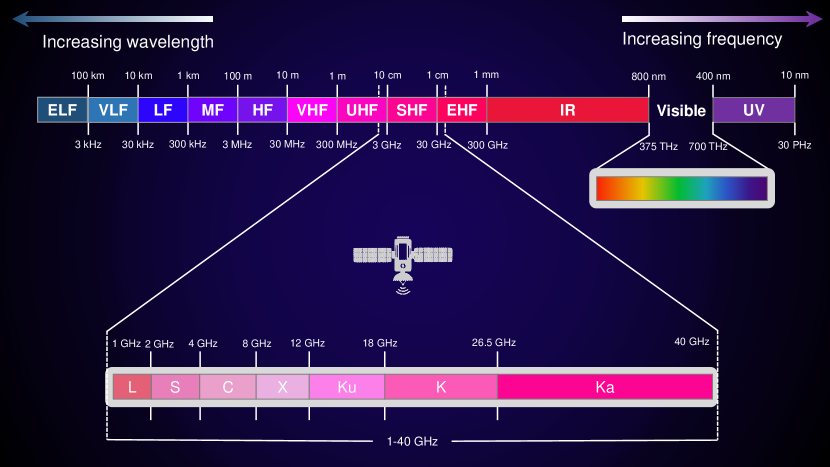
- 对射频(VHF、UHF、HF)和光频段(FSO)的现有海事通信技术进行调查与分类,分析其传播特性与局限性。
- 回顾并比较射频与FSO链路的信道模型,考虑天气状况、海面反射和大气湍流的影响。
- 分析调制与编码方案(如QAM、OOK、DPSK)、无线资源管理(RRM)以及海事网络中的能效。
- 研究结合射频与FSO的混合通信架构,以缓解衰落并提升动态海洋环境中通信的可靠性。
- 调查跨介质通信技术(如基于激光的振动检测)在船对水下链路中的应用,重点关注空气-水界面的挑战。
- 提出利用机器学习与人工智能对海洋环境中无线电与光波传播进行建模,包括FSO闪烁与指向误差。
实验结果
研究问题
- RQ1在射频与光频段中,实现高容量海事通信的关键使能技术与系统架构是什么?
- RQ2天气、海浪和大气湍流等环境因素如何影响海事环境中射频与FSO的传播?
- RQ3混合射频-自由空间光(RF-FSO)系统在海事应用中的性能极限与设计挑战是什么?
- RQ4机器学习如何改善复杂海洋环境中无线电与光波传播的建模?
- RQ5实现深海与水下通信网络宽带连接的开放挑战与未来研究方向是什么?
主要发现
- 基于VHF/UHF和卫星链路的现有海事通信系统在数据速率和覆盖范围方面存在局限,尤其是在沿海区域以外。
- 自由空间光学(FSO)可提供高速率,但因海面运动导致的指向误差以及雾和大气湍流引起的信号衰减而性能受限。
- 混合射频-自由空间光(RF-FSO)系统通过结合射频的分集增益与FSO的高带宽,可提升可靠性和容量。
- 跨空气-水界面的介质间通信仍基本未被探索,由于信号反射、折射与衰落,面临重大挑战。
- 基于机器学习的海洋无线电与光波传播建模在预测信号衰减与优化链路性能方面展现出巨大潜力。
- 未来研究应聚焦于太赫兹与可见光通信在船载应用中的潜力,并致力于开发稳健、可扩展的深海宽带连接解决方案。
更好的研究,从现在开始
从阅读论文到最终审阅,大幅缩短您的研究时间。
无需绑定信用卡
本解读由 AI 生成,并经人工编辑审核。