
[论文解读] Online Privacy as a Collective Phenomenon
本文表明,在线隐私并非仅关乎个人,而是一种集体现象:用户的隐私会因社交网络联系人的自愿披露个人信息而受到损害。基于超过300万Friendster用户的数据,研究发现,通过朋友披露信息构建的‘影子资料’(shadow profiles)可高度准确地预测性取向,尤其在用户拥有庞大且同质性高的社交网络时更为明显,揭示了隐私损失是系统性而非个体性的结果。
The problem of online privacy is often reduced to individual decisions to hide or reveal personal information in online social networks (OSNs). However, with the increasing use of OSNs, it becomes more important to understand the role of the social network in disclosing personal information that a user has not revealed voluntarily: How much of our private information do our friends disclose about us, and how much of our privacy is lost simply because of online social interaction? Without strong technical effort, an OSN may be able to exploit the assortativity of human private features, this way constructing shadow profiles with information that users chose not to share. Furthermore, because many users share their phone and email contact lists, this allows an OSN to create full shadow profiles for people who do not even have an account for this OSN. We empirically test the feasibility of constructing shadow profiles of sexual orientation for users and non-users, using data from more than 3 Million accounts of a single OSN. We quantify a lower bound for the predictive power derived from the social network of a user, to demonstrate how the predictability of sexual orientation increases with the size of this network and the tendency to share personal information. This allows us to define a privacy leak factor that links individual privacy loss with the decision of other individuals to disclose information. Our statistical analysis reveals that some individuals are at a higher risk of privacy loss, as prediction accuracy increases for users with a larger and more homogeneous first- and second-order neighborhood of their social network. While we do not provide evidence that shadow profiles exist at all, our results show that disclosing of private information is not restricted to an individual choice, but becomes a collective decision that has implications for policy and privacy regulation.
研究动机与目标
- 探究个体隐私如何受到社交网络整体行为的影响,特别是通过朋友的间接披露。
- 量化在线社交网络(OSN)平台仅基于公开共享数据,对用户及非用户推断私人信息的程度。
- 分析网络结构与披露行为如何共同加剧隐私泄露风险。
- 提出并验证一种‘隐私泄露因子’,将个体隐私损失与社交关系的集体行为联系起来。
- 挑战隐私是个人决策的假设,揭示系统性、网络媒介化的隐私风险。
提出的方法
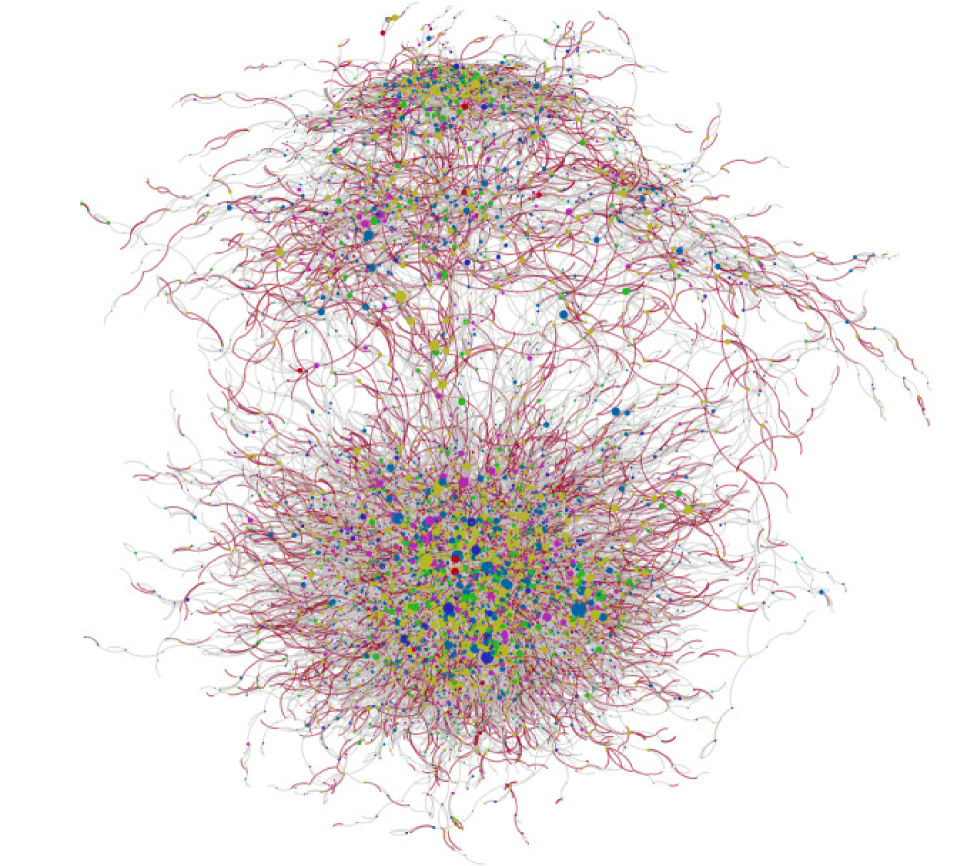
- 本研究使用来自330万名Friendster用户的真实世界数据,这些用户披露了其性取向,构成一个大规模社交网络。
- 基于用户朋友披露的信息,建立‘影子资料’(即对用户及非用户的预测性资料)的模型。
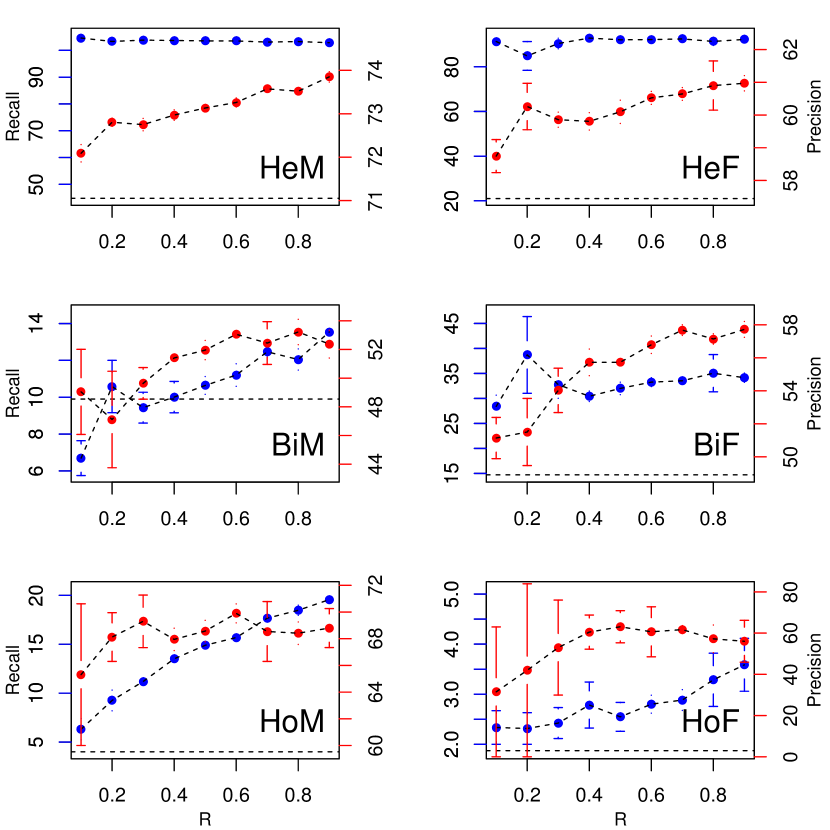
- 采用参数化模型模拟披露行为,披露率(ρ ∈ {0.5, 0.7, 0.9})反映现实世界中联系人列表的共享情况。
- 利用基于网络的特征(包括一阶和二阶邻域结构及同质性)计算性取向预测的准确性。
- 通过统计建模分析网络规模与同质性对隐私泄露的影响,每组参数组合运行10次以确保结果稳定。
- 隐私泄露因子被定义为网络规模与披露行为的函数,用于量化集体隐私风险。
实验结果
研究问题
- RQ1OSN平台仅基于用户朋友的披露信息,能在多大程度上推断出该用户私人信息?
- RQ2用户社交网络的规模与同质性在多大程度上影响通过影子资料导致的隐私泄露风险?
- RQ3在OSN中无账户是否能保证更高隐私?还是非用户仍可能因其关联朋友的披露而被画像?
- RQ4网络成员的披露行为如何集体影响如性取向等私人特质的可预测性?
- RQ5网络结构与同质性对用户及非用户隐私风险的定量影响是什么?
主要发现
- 隐私泄露因子随用户一阶与二阶社交网络规模的增加而显著上升,表明更大的网络会放大隐私风险。
- 在部分影子资料中,男同性恋者的性取向预测准确率高于顺性别异性恋男性,这是由于网络中同质性更高。
- 若非用户与披露个人信息的用户相连,尤其是当这些朋友拥有庞大且同质性高的网络时,其隐私泄露风险显著增加。
- 研究发现网络同质性与隐私泄露增加存在强相关性,尤其当朋友以高比例(ρ = 0.9)共享联系人列表时更为明显。
- 即使未拥有账户,个体仍可能因朋友披露敏感信息而被高精度画像,表明隐私并非仅靠不参与即可保障。
- 结果表明,隐私损失并非个人选择的结果,而是集体行为的系统性后果,网络结构进一步放大了风险。
更好的研究,从现在开始
从阅读论文到最终审阅,大幅缩短您的研究时间。
无需绑定信用卡
本解读由 AI 生成,并经人工编辑审核。