
[论文解读] OpenTwins: An open-source framework for the design, development and integration of effective 3D-IoT-AI-powered digital twins
OpenTwins 是一个开源、可扩展的框架,将 3D 可视化、物联网数据流和实时人工智能/机器学习预测整合到基于 Eclipse Ditto 的统一数字孪生平台中。它实现了这些组件的无缝编排,适用于工业应用,展示了低延迟性能(17 个客户端下延迟低于 1 秒)和强大的错误恢复能力(恢复时间低于 1 秒),并在石化行业用例中验证了实时冰点预测的可行性。
Although digital twins have recently emerged as a clear alternative for reliable asset representations, most of the solutions and tools available for the development of digital twins are tailored to specific environments. Furthermore, achieving reliable digital twins often requires the orchestration of technologies and paradigms such as machine learning, the Internet of Things, and 3D visualization, which are rarely seamlessly aligned. In this paper, we present a generic framework for the development of effective digital twins combining some of the aforementioned areas. In this open framework, digital twins can be easily developed and orchestrated with 3D connected visualizations, IoT data streams, and real-time machine-learning predictions. To demonstrate the feasibility of the framework, a use case in the Petrochemical Industry 4.0 has been developed.
研究动机与目标
- 解决缺乏通用、可扩展的框架的问题,这些框架能够无缝集成 3D 可视化、物联网数据和实时人工智能/机器学习预测,以构建数字孪生。
- 克服特定领域数字孪生平台的局限性,这些平台在集成人工智能/机器学习和 3D 渲染时需要大量定制化开发。
- 提供一个统一、可扩展且具备容错能力的平台,以支持在多样化工业场景中持续开发和集成高效的数字孪生。
- 通过支持模块化、可组合的孪生架构,实现对复杂系统(如列车系统)的数字孪生组合。
提出的方法
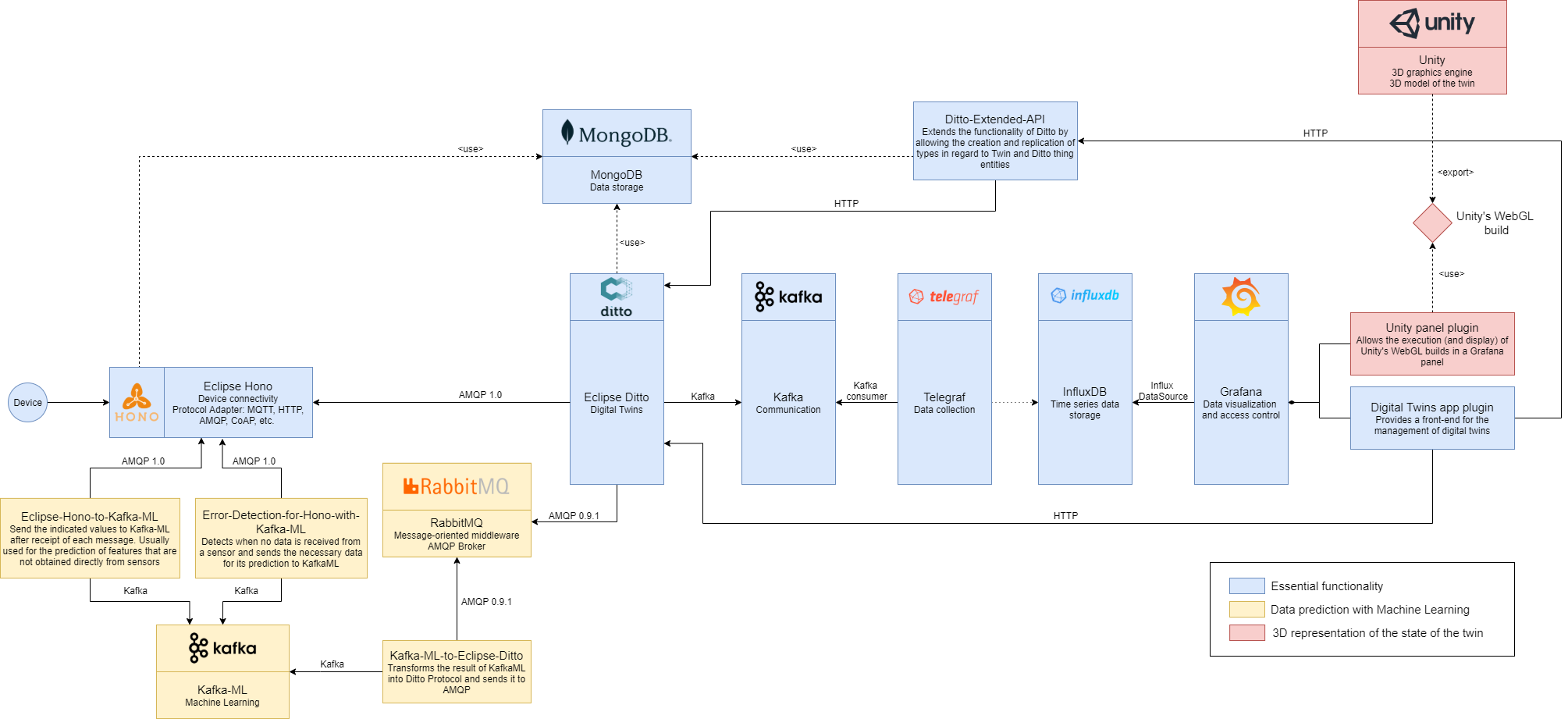
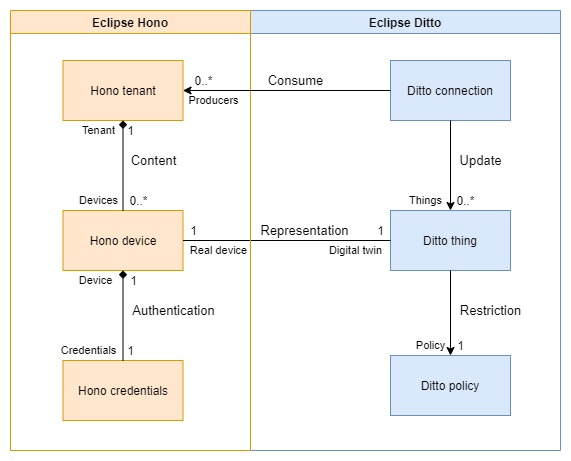
- 该框架基于 Eclipse Ditto 构建,以实现对物理资产及其数据流的安全、标准化抽象和实时监控。
- 通过集成 Kafka-ML 实现端到端的机器学习流水线,支持在流式物联网数据上进行实时推理和模型更新。
- 使用 Unity 3D 作为 3D 渲染引擎,提供可交互的、实时的数字孪生状态可视化,支持动态状态更新。
- 系统部署在 Kubernetes 上,以实现高可用性和容错能力,并具备服务中断时的自动恢复机制。
- 采用模块化的微服务架构,将物联网数据摄入、人工智能/机器学习处理和 3D 可视化解耦,支持独立扩展和维护。
- 通过手动删除 Pod 和消息重放来评估容错能力,并使用 InfluxDB 进行时间序列对比,验证数据一致性。
实验结果
研究问题
- RQ1如何通过一个通用的开源框架,有效编排单一数字孪生平台中的 3D 可视化、实时物联网数据和人工智能/机器学习预测?
- RQ2在实时预测工作负载下,随着客户端数量增加,该框架表现出怎样的性能特征(延迟、吞吐量)?
- RQ3该框架对服务故障的韧性如何?关键组件(如物联网代理和数据处理 Pod)的恢复时间是多少?
- RQ4该框架在多大程度上可扩展以支持标准化仿真模型(如 FMI),用于混合数字孪生?
- RQ5该框架是否可在真实工业场景中成功应用并得到验证,而不仅限于概念验证?
主要发现
- 在实时工作负载下,该框架实现了低延迟,即使在 17 个并发客户端下,预测延迟仍保持在 1 秒以内。
- 在高负载下吞吐量仅适度下降,表明其在工业监控和预测工作负载中具备良好的可扩展性。
- 服务故障的恢复时间始终很低——大多数组件的恢复时间低于 1 秒,证明了其强大的容错能力。
- Kafka-ML 的集成实现了可靠、实时的推理,并支持消息重放,确保恢复期间数据丢失最少。
- 该平台成功在石化工艺的 3D 数字孪生中可视化了实时冰点预测,验证了其在工业环境中的可用性。
- 恢复期间的数据丢失极少,且局限于特定组件(如 Eclipse Hono MQTT 适配器),大多数服务在恢复过程中未发生数据丢失。
更好的研究,从现在开始
从阅读论文到最终审阅,大幅缩短您的研究时间。
无需绑定信用卡
本解读由 AI 生成,并经人工编辑审核。