
[论文解读] Physics Briefing Book
《物理学简明手册》(CERN-ESU-004, 2020)是2020年欧洲粒子物理学战略的综合性输入文件,综合了电弱物理、强相互作用、味物理、中微子物理、暗物质以及标准模型之外理论等关键领域的当前研究与未来方向。该手册概述了战略优先事项、实验与理论挑战,以及加速器与探测器研发需求,以指导欧洲高能物理的发展路线图。
The European Particle Physics Strategy Update (EPPSU) process takes a bottom-up approach, whereby the community is first invited to submit proposals (also called inputs) for projects that it would like to see realised in the near-term, mid-term and longer-term future. National inputs as well as inputs from National Laboratories are also an important element of the process. All these inputs are then reviewed by the Physics Preparatory Group (PPG), whose role is to organize a Symposium around the submitted ideas and to prepare a community discussion on the importance and merits of the various proposals. The results of these discussions are then concisely summarised in this Briefing Book, prepared by the Conveners, assisted by Scientific Secretaries, and with further contributions provided by the Contributors listed on the title page. This constitutes the basis for the considerations of the European Strategy Group (ESG), consisting of scientific delegates from CERN Member States, Associate Member States, directors of major European laboratories, representatives of various European organizations as well as invitees from outside the European Community. The ESG has the mission to formulate the European Strategy Update for the consideration and approval of the CERN Council.
研究动机与目标
- 为2020年欧洲粒子物理学战略提供协调一致、以科学为导向的输入,统一欧洲的研究优先事项。
- 评估电弱、量子色动力学(QCD)、味物理、中微子物理以及标准模型之外理论等关键领域中粒子物理学研究的当前状态。
- 识别高能物理中的关键科学挑战与机遇,包括未来对撞机项目与实验设施。
- 指导未来实验与理论计划的发展,包括高亮度LHC、FCC以及e+e−对撞机。
- 加强欧洲及全球范围内的国际合作与基础设施规划。
提出的方法
- 汇集来自15个欧洲及国际机构的140多位研究人员的专家贡献,按主题划分为工作组。
- 系统性回顾电弱、QCD、味、中微子及暗物质领域中的理论框架、实验结果与未来实验计划。
- 整合来自LHC、DUNE、KM3NeT、EIC、FCC、ILC及中微子束流设施等主要国际项目的输入。
- 利用结构化的科学简报与技术评估,评估未来设施的物理潜力。
- 纳入来自国家与国际社区的输入,包括INFN、CERN、费米实验室及欧洲研究基础设施。
- 综合加速器科学、探测器研发、计算与教育举措,以支持长期物理目标。
实验结果
研究问题
- RQ1在高亮度LHC与未来e+e−对撞机上,电弱精密测量与希格斯玻色子性质的关键物理机遇与挑战是什么?
- RQ2未来在LHC与EIC上的深度非弹性散射实验如何能增进我们对部分子分布与质子自旋结构的理解?
- RQ3在味物理中,特别是在稀有衰变与标准模型之外的CP破坏中,发现新物理的前景如何?
- RQ4确定中微子质量顺序、绝对质量尺度以及其性质(狄拉克型或马约拉纳型)的最有力实验方法是什么?
- RQ5未来设施如FCC、ILC与CLIC如何应对高能物理中最紧迫的问题以及暗物质的本质?
主要发现
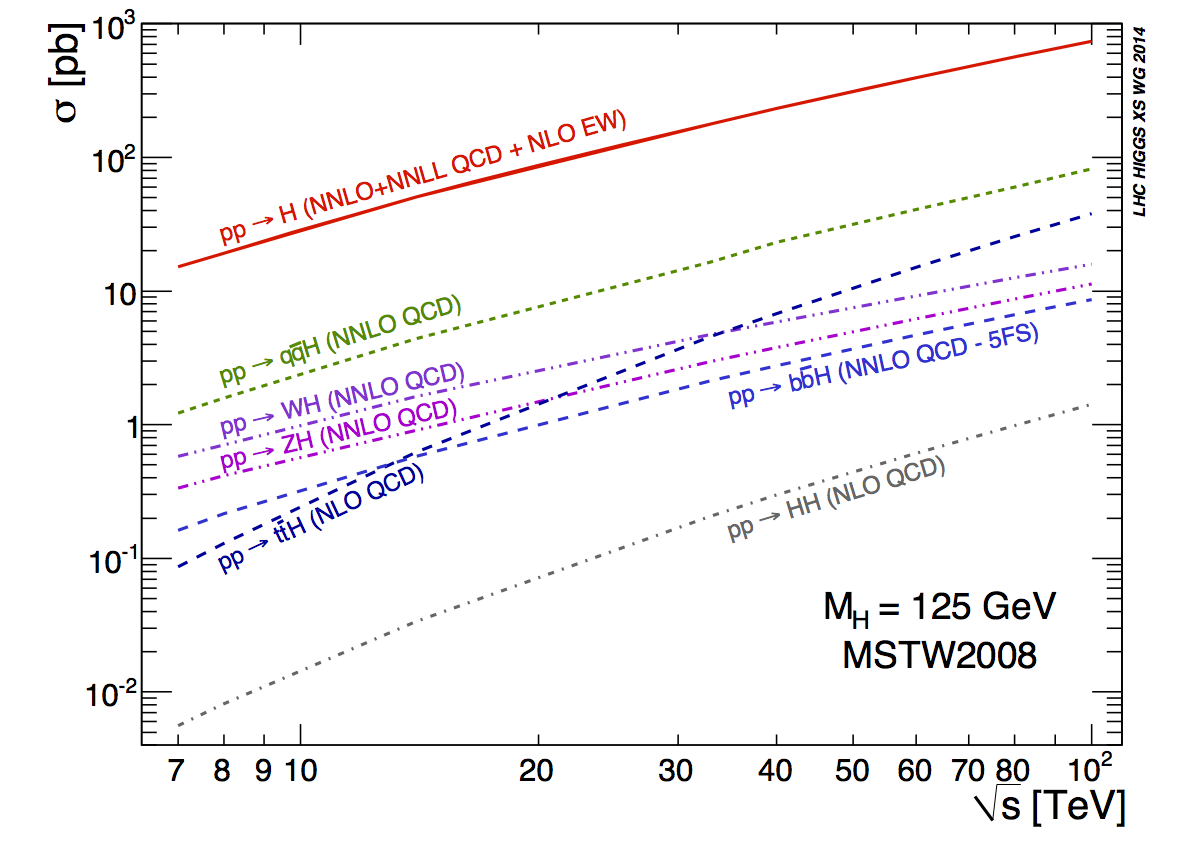
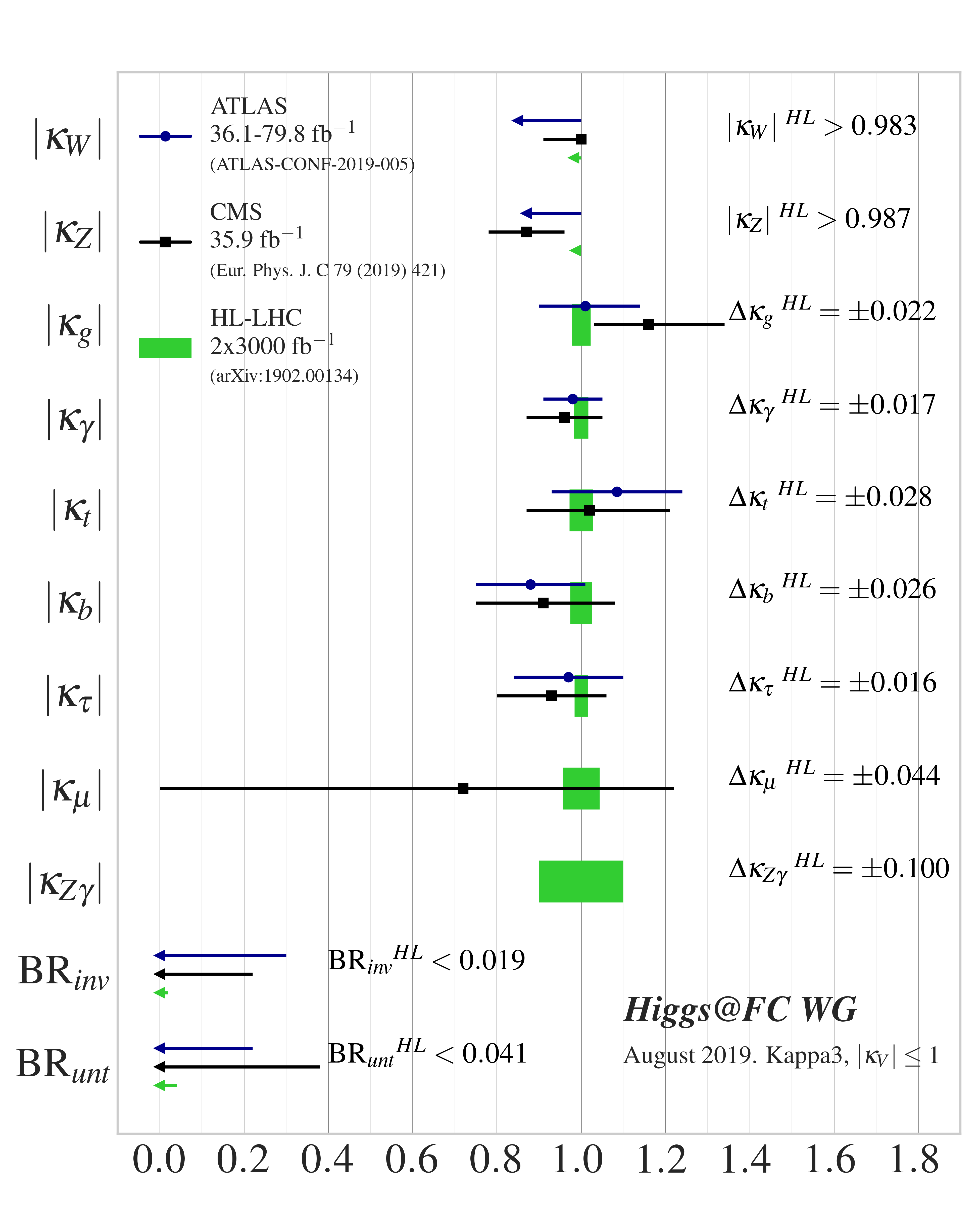
- 高亮度LHC(HL-LHC)有望在希格斯玻色子耦合与顶夸克性质方面实现前所未有的测量精度,从而能够对标准模型及新物理进行敏感检验。
- 未来e+e−对撞机如FCC-ee与CLIC预计可实现电弱参数的千分之一以下精度,这对探测TeV尺度的新物理至关重要。
- EIC与LHeC计划被认定为推进对核子结构与质子自旋理解的关键,通过深度非弹性散射实验。
- 若发现中微子具有非零磁矩或马约拉纳性质,将标志标准模型之外的新物理,未来实验如nuSTORM与DUNE旨在实现高精度测量。
- 未来环形对撞机(FCC)的发展被强调为推动能量前沿的核心,其中FCC-hh可实现100 TeV质心系能量。
- 量子计算、先进蒙特卡罗生成器以及人工智能驱动的数据分析技术的整合,被认定为应对未来高能物理实验复杂性的关键。
更好的研究,从现在开始
从论文设计到论文写作,大幅缩短您的研究时间。
无需绑定信用卡
本解读由 AI 生成,并经人工编辑审核。