
[论文解读] Radar Altimeter Redesign for Multi-Stage Interference Risk Mitigation in 5G and Beyond
本文提出了一种集成带通滤波器的重新设计雷达高度表,以减轻3.7–3.98 GHz频段的5G C波段干扰对4.2–4.4 GHz雷达高度表频段的影响。该重新设计保持了TSO认证合规性,并通过初步测试表明,滤波器可将高度测量精度维持在±3英尺以内,为防止5G引起的信号退化导致灾难性飞行安全风险,提供了一种可行且可认证的解决方案。
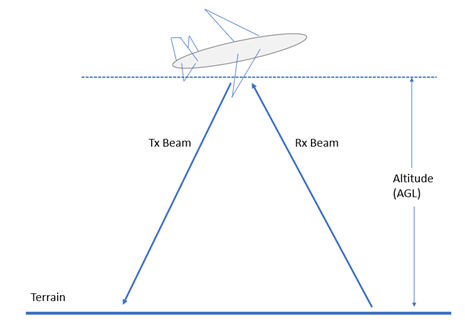
The radar altimeter is installed on most 14 CFR Pt 25 category aircraft, which are applicable to passenger travel and represent most airline traffic. The radar altimeter system is highly accurate and reports the height above the terrain. It plays a significant role in the take-off, approach, and landing phases of the applicable aircraft. In critical conditions, including reduced visibility, proximity to terrain, collision avoidance, and autoland procedures, the accuracy of radar altimeters is crucial to the safety of aircraft. This study aims to address the inappropriate behavior of the susceptible system that may cause essential safety concerns with unknown interoperability and operational impacts. We design and verify a strategic approach to mitigate the risks of potential airborne interference to a radar altimeter due to the coexistence of a 5G and future G signal, especially with the growing demand for the Space Air Ground Integrated Network (SAGIN). This study details a design change to a pre-existing radar altimeter system, and the process necessary to gain certification approval following this change is analyzed. We address the certification aspects from a TSO perspective resulting from changes made to a system post-certification. Artifacts, as defined in the FAA Project Specific Certification Plan template, including the Change Impact Analysis, Means of Compliance, and Test Plans, which are mandated by the certification authorities and requested by aircraft manufacturers and operators to ensure a level of compliance during the engineering cycle, have been adhered to.
研究动机与目标
- 解决5G C波段信号(3.7–3.98 GHz)对在4.2–4.4 GHz频段运行的雷达高度表造成日益严重的安全风险。
- 开发现有雷达高度表系统的可认证、认证后重新设计,以增强对5G射频干扰的鲁棒性。
- 在关键飞行阶段(尤其是进近和着陆)下,即使在射频条件退化的情况下,仍确保适航性和运行安全。
- 提供与监管要求(TSO、DO-155)一致的战略性、多阶段干扰缓解框架,以符合全球航空标准。
- 支持美国喷气式客机中受影响的雷达高度表进行改装或更换的监管时间表。
提出的方法
- 通过在4.2–4.4 GHz中心频率集成窄带、高选择性带通滤波器,对现有雷达高度表系统进行重新设计,以抑制带外5G信号。
- 遵循FAA项目特定认证计划(PSCP)模板,包括变更影响分析、符合性方法和TSO-C87认证的测试计划。
- 采用实验室测试评估在模拟5G干扰条件下的信号完整性、精度和功能性能。
- 以基准TSO认证雷达高度表单元为参照,验证重新设计系统在干扰条件下仍能保持±3英尺的精度。
- 将无源滤波作为主要缓解策略,同时考虑其他方法如空间分离和波束成形(受日本5G部署模式启发)。
- 分析现有标准(如DO-155、TSO-C87)在遗留标准中的监管和技术缺口,这些标准缺乏对干扰敏感度或接收机掩模的明确要求,尤其考虑到其源于1980年代的射频频谱背景。
实验结果
研究问题
- RQ1如何在不损害TSO合规性的前提下,对已认证的雷达高度表系统进行认证后重新设计,以在5G C波段干扰下保持关键安全性能?
- RQ2在4.2–4.4 GHz频段的带通滤波器在多大程度上可降低对3.7–3.98 GHz频段5G信号的敏感度,同时保持±3英尺的测量精度?
- RQ3对商用飞机中现有雷达高度表进行改装时,面临的主要认证挑战是什么?所需的关键文件(如变更影响分析、测试计划)有哪些?
- RQ4DO-155和TSO-C87等传统航空电子标准在应对5G及未来G网络带来的现代射频干扰威胁方面存在哪些不足?
- RQ5在机载系统中,依赖无源滤波与主动干扰消除或空间分离相比,其在操作和安全方面有何影响?
主要发现
- 在4.2–4.4 GHz范围内增加带通滤波器不会对雷达高度表的核心功能产生负面影响,有效保持了其运行完整性。
- 初步测试结果表明,重新设计的系统在干扰条件下仍能将雷达高度表精度维持在±3英尺以内,与基准TSO认证单元性能一致。
- 实验室测试结果与飞行测试观察结果一致,表明该滤波器设计在真实射频环境下具有有效性。
- 本研究证实,无源滤波是一种可行且可认证的缓解策略,FAA已认可射频滤波器作为应对5G干扰的主要解决方案。
- 历史事故如土耳其航空1951号航班和2012年哈萨克斯坦安-72坠毁事故凸显了雷达高度表失效可能带来的灾难性后果,进一步凸显了主动重新设计的紧迫性。
- 监管机构如FAA已呼吁制定时间表,以改装或更换受影响的雷达高度表,凸显了对标准化、可认证解决方案(如本研究提出的方案)的迫切需求。
更好的研究,从现在开始
从阅读论文到最终审阅,大幅缩短您的研究时间。
无需绑定信用卡
本解读由 AI 生成,并经人工编辑审核。