
[论文解读] Responsible Artificial Intelligence: A Structured Literature Review
本文进行了一项结构化文献综述,以定义负责任的AI并提出以人为本的框架,强调伦理、信任、可解释性、隐私和安全,以指导政策与实践。
Our research endeavors to advance the concept of responsible artificial intelligence (AI), a topic of increasing importance within EU policy discussions. The EU has recently issued several publications emphasizing the necessity of trust in AI, underscoring the dual nature of AI as both a beneficial tool and a potential weapon. This dichotomy highlights the urgent need for international regulation. Concurrently, there is a need for frameworks that guide companies in AI development, ensuring compliance with such regulations. Our research aims to assist lawmakers and machine learning practitioners in navigating the evolving landscape of AI regulation, identifying focal areas for future attention. This paper introduces a comprehensive and, to our knowledge, the first unified definition of responsible AI. Through a structured literature review, we elucidate the current understanding of responsible AI. Drawing from this analysis, we propose an approach for developing a future framework centered around this concept. Our findings advocate for a human-centric approach to Responsible AI. This approach encompasses the implementation of AI methods with a strong emphasis on ethics, model explainability, and the pillars of privacy, security, and trust.
研究动机与目标
- 明确定义负责任的AI
- 分析负责任的AI在伦理、信任、可解释性、隐私和安全方面的现状
- 识别尚待解决的问题、挑战及未来研究的机遇
- 提出基于负责任AI概念的未来框架开发方法
- 倡导以人为本的负责任AI方法,以支持信任与监管对齐
提出的方法
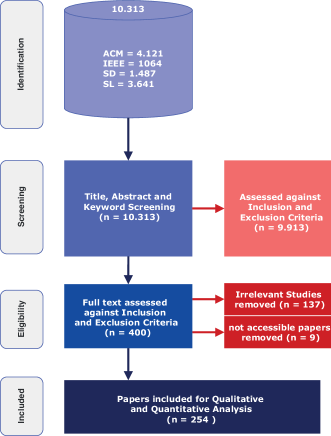
- 遵循既定指南的系统文献回顾(SLR)
- 在ACM、IEEE、SpringerLink和Elsevier ScienceDirect中检索,以定位同行评审论文
- 使用结合AI/ML术语及伦理、信任、可解释性、隐私的检索查询
- 按题目/摘要/关键词和Eligibility标准进行筛选,以排除不相关研究
- 对纳入的254篇论文进行定性与定量分析
- 综合定义及相关术语,形成统一的负责任的AI概念
实验结果
研究问题
- RQ1RQ1 对负责任的AI有何一般性或公认的定义,以及哪些术语来界定它?
- RQ2RQ2 负责任的AI在信任、伦理、可解释性、隐私和安全等相关概念中涵盖哪些内容?
主要发现
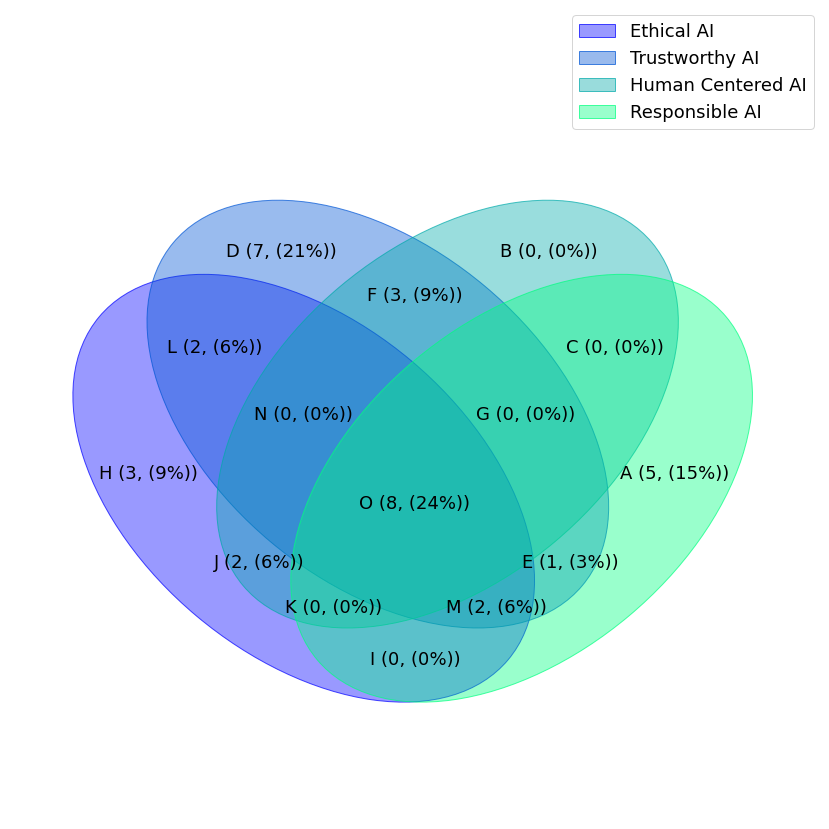
- 术语存在大量重叠;负责任的AI最好描述为伦理、可信性、安全、隐私和可解释性。
- 作者提出一个定义:负责任的AI以人为本,通过道德决策、公平且无歧视的过程,以及与法律和规范的一致性来确保用户信任。
- 可解释性、安全、公平、问责、伦理、安全、隐私和透明度是跨定义的关键重叠术语。
- 信任应被视为负责任AI系统的结果,而以人为本的设计仍然是核心。
- 在内容上相似的表达包括可信AI、伦理AI和以人为本AI,它们聚焦于定义负责任AI的核心术语。
- 研究对前沿主题进行了结构化呈现:可信AI、伦理AI、可解释AI、隐私保护AI和安全AI,强调它们之间的相互关系与挑战。
更好的研究,从现在开始
从论文设计到论文写作,大幅缩短您的研究时间。
无需绑定信用卡
本解读由 AI 生成,并经人工编辑审核。