
[论文解读] Robot Health Indicator: A Visual Cue to Improve Level of Autonomy Switching Systems
本文提出了一种‘机器人生命条’——一种受电子游戏启发的视觉提示,通过机器人状态与机器人健康框架实时显示机器人性能退化情况。在8名参与者的初步研究中,生命条在低退化情况下减少了对人工控制的依赖,但在高退化情况下增加了操作员干预,尽管感知负担略有增加,仍有效提升了风险缓解能力,为透明、低工作量的人机协同界面提供了洞见。
Using different Levels of Autonomy (LoA), a human operator can vary the extent of control they have over a robot's actions. LoAs enable operators to mitigate a robot's performance degradation or limitations in the its autonomous capabilities. However, LoA regulation and other tasks may often overload an operator's cognitive abilities. Inspired by video game user interfaces, we study if adding a 'Robot Health Bar' to the robot control UI can reduce the cognitive demand and perceptual effort required for LoA regulation while promoting trust and transparency. This Health Bar uses the robot vitals and robot health framework to quantify and present runtime performance degradation in robots. Results from our pilot study indicate that when using a health bar, operators used to manual control more to minimise the risk of robot failure during high performance degradation. It also gave us insights and lessons to inform subsequent experiments on human-robot teaming.
研究动机与目标
- 减少在远程机器人操作中的人机协同自主等级(LoA)切换系统中的认知负荷与感知负担。
- 通过可视化实时机器人性能退化,提升人机交互中的信任与透明度。
- 评估受电子游戏启发的视觉提示(即机器人生命条)是否能增强操作员在高认知负荷机器人导航任务中的决策能力。
- 基于操作员经验水平,识别用户偏好并提出生命条界面的设计建议。
提出的方法
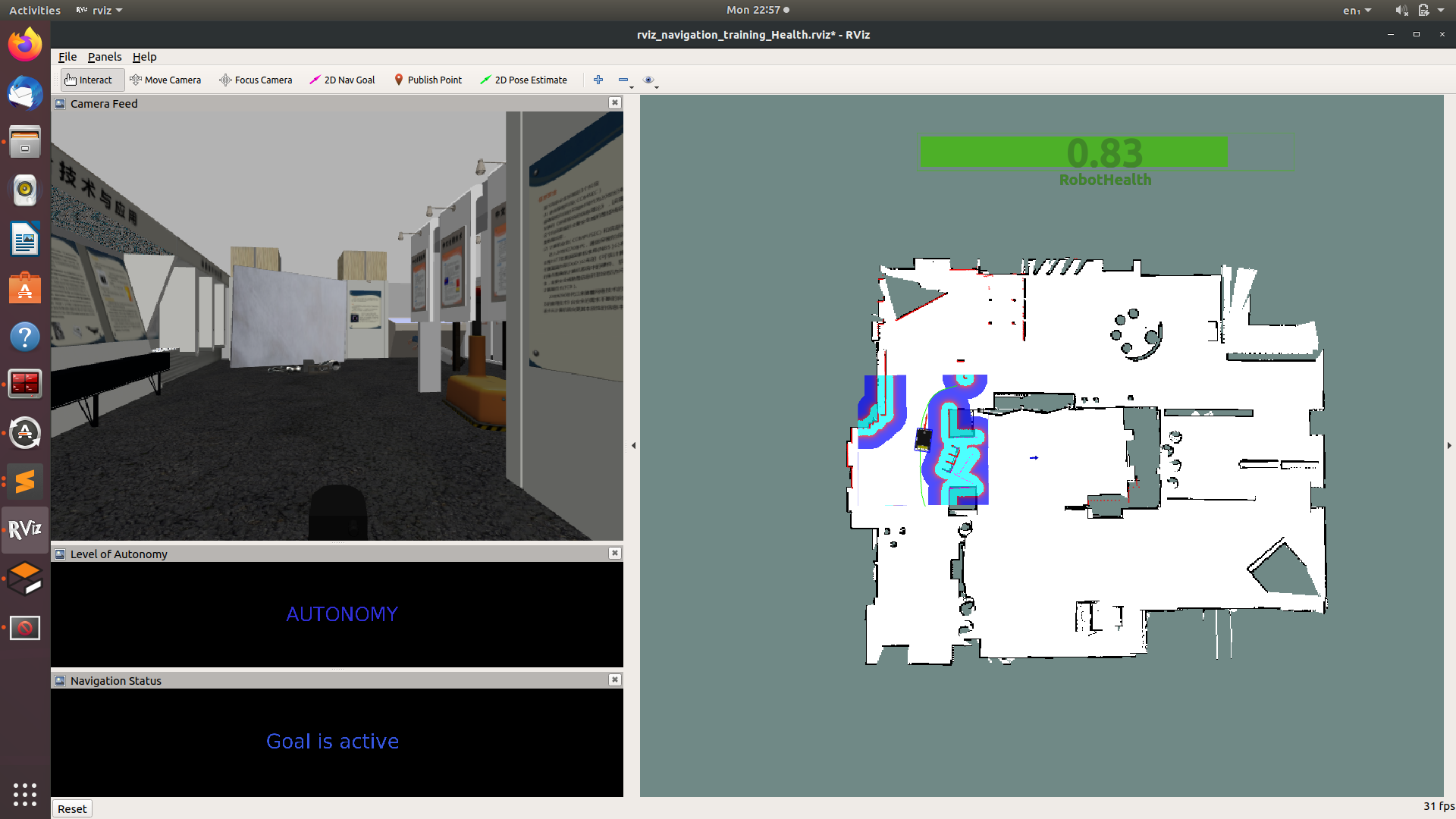
- 机器人生命理由被实现为一种颜色编码的用户界面元素,反映总运行时间性能退化程度,其依据来自机器人状态与机器人健康框架。
- 系统在Gazebo仿真环境中,使用Clearpath Husky机器人进行移动机器人导航任务测试,设置两种条件:有生命条与无生命条。
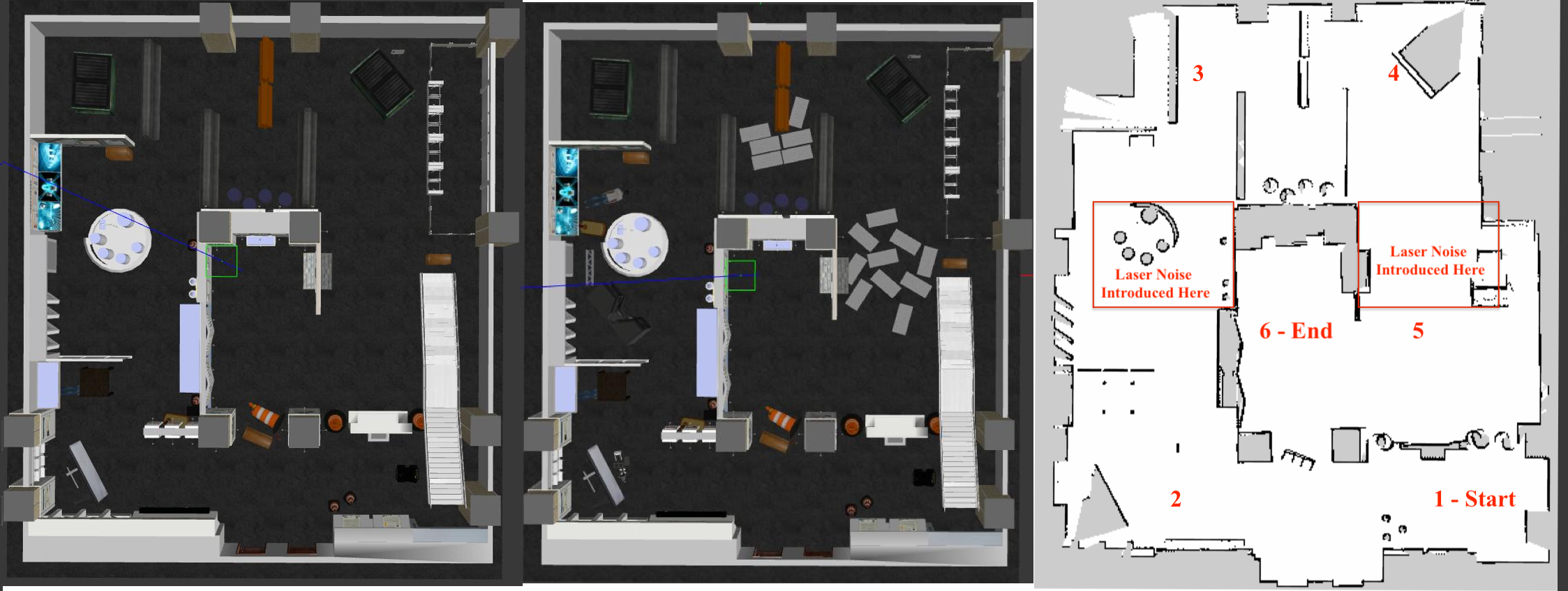
- 参与者在三种场地条件下完成任务,均处于高认知负荷状态:空旷场地、障碍物密集场地,以及受激光噪声导致退化的场地。
- 通过任务完成时间、旋转次数、回答准确性以及问卷调查测量感知负担,对性能进行评估。
- 参与者使用五级李克特量表对透明度、信任度和理解便捷性进行评分,涵盖三个不同透明度层级的界面。
- 收集定性反馈以指导生命条设计改进,包括显著性、模态使用以及数值表示方式。
实验结果
研究问题
- RQ1机器人生命条的引入是否降低了进行自主等级(LoA)切换决策所需的感知负担?
- RQ2在高认知负荷的机器人操作中,机器人生命条如何影响操作员的信任度、透明度与决策能力?
- RQ3新手与经验丰富的操作员在感知与使用生命条进行LoA调控方面有何差异?
- RQ4哪些设计改进可提升机器人生命条的有效性与可用性?
主要发现
- 当显示机器人生命条时,操作员在性能退化较高时更频繁地使用手动控制,以减轻故障风险。
- 生命条未显著增加认知负荷或任务完成时间,但在条件A中导致了显著更高的感知负担(p < 0.05)。
- 新手操作员更偏好简单的视觉提示(如颜色变化),而经验丰富的操作员则希望获得更详细的信息,表明其心智模型存在差异。
- 中等透明度层级的整体评分最低,表明信息过少或过多均可能降低感知清晰度。
- 六名参与者认为最高透明度层级最有利于理解LoA切换原因,尽管有两人评分最低,凸显个体差异。
- 参与者建议提升生命条的显著性,使用百分比数值替代[0,1]量表,避免使用下拉菜单,并为低健康状态增加多模态警报(如闪烁、声音)
更好的研究,从现在开始
从阅读论文到最终审阅,大幅缩短您的研究时间。
无需绑定信用卡
本解读由 AI 生成,并经人工编辑审核。