
[论文解读] Securing the Future of GenAI: Policy and Technology
本论文总结了一个连接 GenAI 政策与技术的研讨会,详细阐述监管格局、风险管理,以及对齐、检查与溯源的技术方法。
The rise of Generative AI (GenAI) brings about transformative potential across sectors, but its dual-use nature also amplifies risks. Governments globally are grappling with the challenge of regulating GenAI, balancing innovation against safety. China, the United States (US), and the European Union (EU) are at the forefront with initiatives like the Management of Algorithmic Recommendations, the Executive Order, and the AI Act, respectively. However, the rapid evolution of GenAI capabilities often outpaces the development of comprehensive safety measures, creating a gap between regulatory needs and technical advancements. A workshop co-organized by Google, University of Wisconsin, Madison (UW-Madison), and Stanford University aimed to bridge this gap between GenAI policy and technology. The diverse stakeholders of the GenAI space -- from the public and governments to academia and industry -- make any safety measures under consideration more complex, as both technical feasibility and regulatory guidance must be realized. This paper summarizes the discussions during the workshop which addressed questions, such as: How regulation can be designed without hindering technological progress? How technology can evolve to meet regulatory standards? The interplay between legislation and technology is a very vast topic, and we don't claim that this paper is a comprehensive treatment on this topic. This paper is meant to capture findings based on the workshop, and hopefully, can guide discussion on this topic.
研究动机与目标
- 为 GenAI(EU, US, China)以及多边机构绘制国际监管格局。
- 识别监管要求与当前 GenAI 技术能力之间的差距。
- 探索政策如何在不抑制创新的情况下引导技术演进。
- 评估 GenAI 安全的技术方法,包括对齐、检查和溯源。
- 提出监管机构与技术人员在安全部署 GenAI 方面合作的未来方向。
提出的方法
- 综合来自 EU、US、China 的监管政策讨论,以及如 G7 与联合国框架等多边治理努力。
- 讨论 GenAI 安全的技术方法,包括模型对齐、模型检查,以及输出的溯源/水印。
- 借鉴军事风险管理在以人为本的风险缓解与治理方面的经验。
- 分析当前对齐技术的局限性以及对标准化评估和红队基准的需求。
- 勾勒一条路线图,突出监管目标与技术能力之间的差距,并提出未来方向。
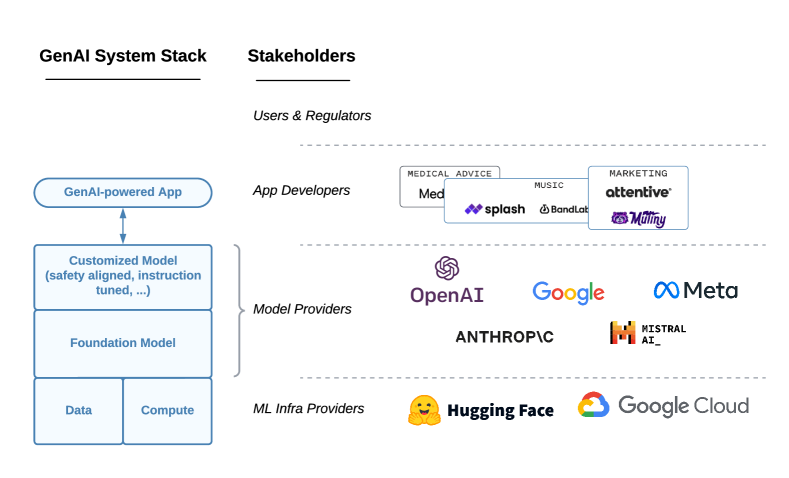
实验结果
研究问题
- RQ1在 GenAI 治理中,哪些政策问题最为重要?
- RQ2GenAI 安全对齐的极限在哪里,是否存在实现完美对齐的可行性?
- RQ3检测内容是否为 GenAI 生成的极限在哪里?
- RQ4如何设计监管以引导技术演进而不妨碍创新?
- RQ5应如何开发技术以满足监管标准?
主要发现
- 监管方法在 EU、US、China 间存在差异,反映出不同的社会与地缘政治优先级。
- 多边治理努力(G7、UN、UNESCO、GPAI)正在趋向 GenAI 的安全、透明和责任,强调协作与标准。
- 军事风险管理为以人为本的治理、资质与组织程序,在应对强大技术方面提供经验。
- 对齐面临根本性挑战;护栏和提示注入存在局限,需要额外的控制,如受控入口和网络安全措施。
- 监管要求与当前技术能力之间存在显著差距,需政策制定者与技术人员协同推进以提升安全性和创新性。

更好的研究,从现在开始
从论文设计到论文写作,大幅缩短您的研究时间。
无需绑定信用卡
本解读由 AI 生成,并经人工编辑审核。