
[论文解读] Surveillance Face Presentation Attack Detection Challenge
本文介绍了在CVPR 2023举办的监控人脸活体攻击检测挑战赛,推出了SuHiFiMask数据集——该数据集包含101名受试者在7台主流监控摄像头下拍摄的10,195段视频,模拟真实远距离监控环境。挑战赛评估了37支团队在图像质量变化下的鲁棒性,顶尖模型的ACER低至4.73%,证明了大规模、高保真监控数据在提升真实场景下人脸反 spoofing 技术方面的有效性。
Face Anti-spoofing (FAS) is essential to secure face recognition systems from various physical attacks. However, most of the studies lacked consideration of long-distance scenarios. Specifically, compared with FAS in traditional scenes such as phone unlocking, face payment, and self-service security inspection, FAS in long-distance such as station squares, parks, and self-service supermarkets are equally important, but it has not been sufficiently explored yet. In order to fill this gap in the FAS community, we collect a large-scale Surveillance High-Fidelity Mask (SuHiFiMask). SuHiFiMask contains $10,195$ videos from $101$ subjects of different age groups, which are collected by $7$ mainstream surveillance cameras. Based on this dataset and protocol-$3$ for evaluating the robustness of the algorithm under quality changes, we organized a face presentation attack detection challenge in surveillance scenarios. It attracted 180 teams for the development phase with a total of 37 teams qualifying for the final round. The organization team re-verified and re-ran the submitted code and used the results as the final ranking. In this paper, we present an overview of the challenge, including an introduction to the dataset used, the definition of the protocol, the evaluation metrics, and the announcement of the competition results. Finally, we present the top-ranked algorithms and the research ideas provided by the competition for attack detection in long-range surveillance scenarios.
研究动机与目标
- 解决远距离监控场景下缺乏大规模、真实监控人脸反欺骗数据集的问题。
- 建立标准化的基准评估协议,以评估FAS算法在图像质量、身份和攻击类型等现实变化下的表现。
- 通过组织严格评估的竞赛挑战,推动远程监控环境中人脸活体攻击检测的研究进展。
- 促进开发能够处理低分辨率、运动模糊和遮挡人脸图像的鲁棒模型,这些情况在公共监控环境中十分典型。
提出的方法
- 收集了SuHiFiMask数据集,该数据集包含101名受试者在7台主流监控摄像头下拍摄的10,195段视频,覆盖多样的光照、天气和姿态条件。
- 设计了多协议评估框架,包括身份迁移、口罩类型变化和图像质量变化,以测试算法的泛化能力。
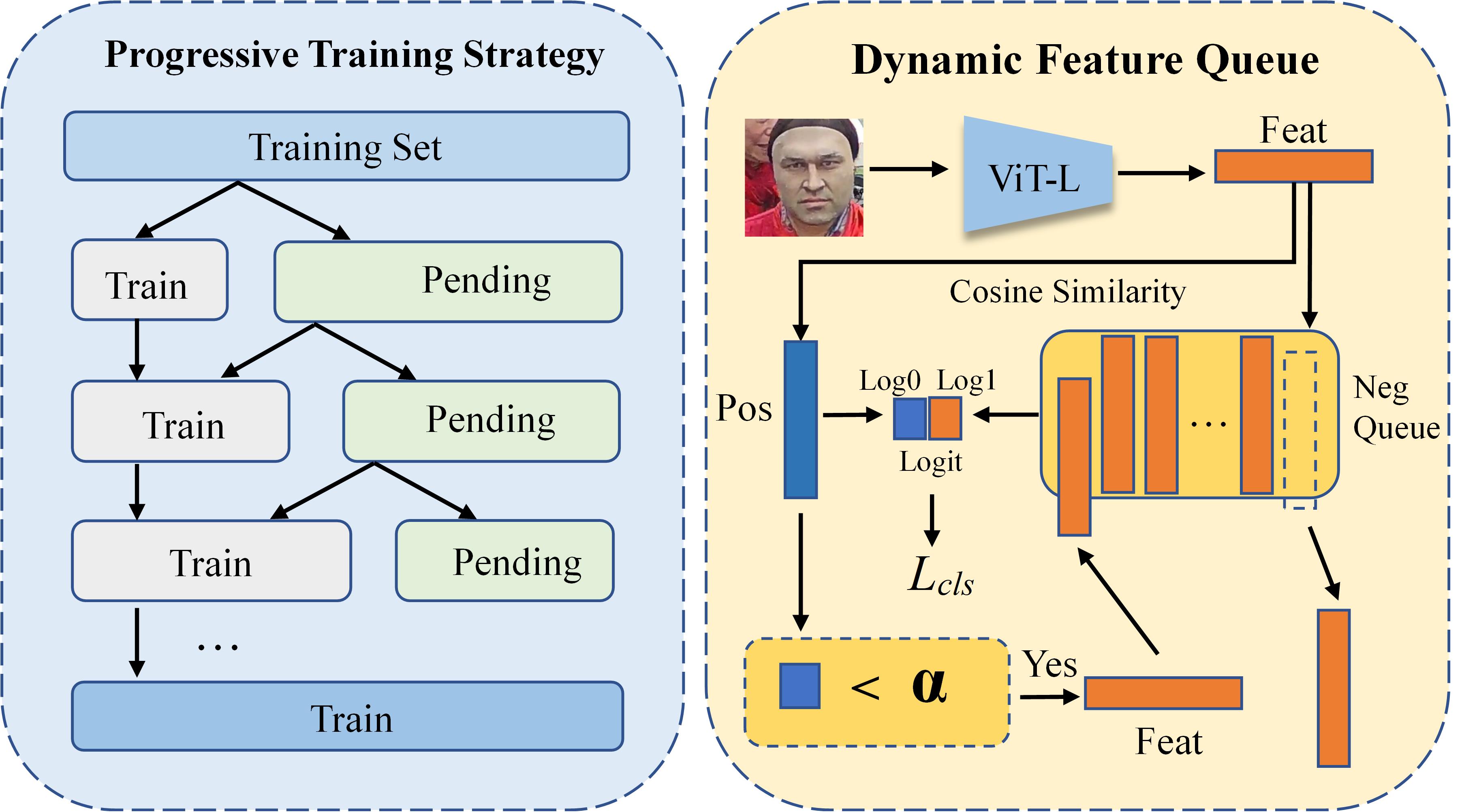
- 采用标准深度学习训练方法,使用主干网络(如Swin-Tiny、Swin-Base),结合交叉熵损失和角度边界损失(ArcFace)以增强特征判别能力。
- 应用数据增强和类别平衡技术,以提升模型泛化能力并减少过拟合。
- 使用AdamW优化器,配合余弦退火学习率调度和早停策略,以改善收敛性并防止过拟合。
- 在保留的测试集上通过CodaLab进行最终模型评估,并由组织方进行复核,以确保排名公平。
实验结果
研究问题
- RQ1在具有低分辨率和图像质量退化的远距离监控条件下,当前最先进的人脸反欺骗模型表现如何?
- RQ2在监控环境中,当测试条件发生身份迁移、攻击类型变化或图像质量变化时,模型性能下降的程度如何?
- RQ3像SuHiFiMask这样大规模、高保真的数据集是否能显著提升FAS模型在真实部署中的鲁棒性和泛化能力?
- RQ4在图像质量有限的复杂监控环境中,哪些网络架构和训练策略对人脸反欺骗最为有效?
- RQ5数据预处理和多分支特征学习在提升监控FAS基准上的模型稳定性和性能方面起到了什么作用?
主要发现
- 表现最佳的团队(MateoH)实现了4.73%的ACER,表明其在远距离监控场景下对活体攻击具有出色的泛化能力和鲁棒性。
- 排名前九的团队中有八支来自工业界,凸显了监控FAS在商业应用中的实际重要性和现实相关性。
- 前九名团队的ACER得分范围为4.73%至12.00%,显示出显著的性能差异,证实了本挑战的难度。
- 大尺寸主干网络(如Swin-Tiny、Swin-Base)优于小型模型,表明模型规模是处理低质量监控数据的关键因素。
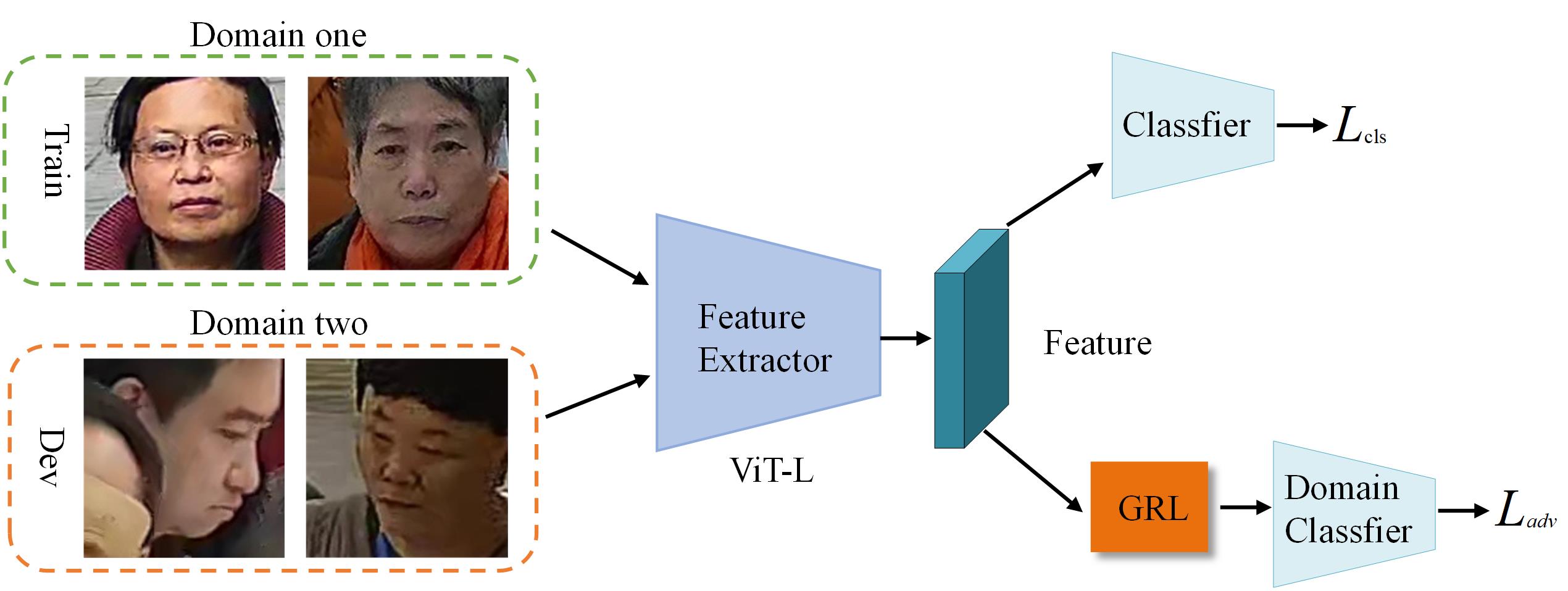
- 多分支特征学习和数据增强技术被广泛采用,并显著提升了模型的稳定性和性能。
- 本挑战表明,当前FAS模型在极端退化条件下仍表现不佳,提示未来工作需引入先进的超分辨率和特征恢复方法。
更好的研究,从现在开始
从阅读论文到最终审阅,大幅缩短您的研究时间。
无需绑定信用卡
本解读由 AI 生成,并经人工编辑审核。