
[论文解读] Sustainability Competencies and Skills in Software Engineering: An Industry Perspective
本研究通过在九个国家的28家组织中开展访谈和焦点小组讨论,从产业视角识别了软件工程师所需的关键可持续性能力与技能。研究发现,尽管组织因商业与社会原因日益重视可持续性,但在实施过程中仍面临挑战,主要源于对可持续性概念理解不清晰以及与盈利性之间的权衡。因此,亟需针对性地开展可持续性思维、系统思维、技术与软技能,以及可持续软件工程商业案例开发等方面的教育。
Achieving the UN Sustainable Development Goals (SDGs) demands adequate levels of awareness and actions to address sustainability challenges. Software systems will play an important role in moving towards these targets. Sustainability skills are necessary to support the development of software systems and to provide sustainable IT-supported services for citizens. While there is a growing number of academic bodies, including sustainability education in engineering and computer science curricula, there is not yet comprehensive research on the competencies and skills required by IT professionals to develop such systems. This study aims to identify the industrial sustainability needs for education and training from software engineers' perspective. We conducted interviews and focus groups with experts from twenty-eight organisations with an IT division from nine countries to understand their interests, goals and achievements related to sustainability, and the skills and competencies needed to achieve their goals. Our findings show that organisations are interested in sustainability, both idealistically and increasingly for core business reasons. They seek to improve the sustainability of processes and products but encounter difficulties, like the trade-off between short-term financial profitability and long-term sustainability goals. To fill the gaps, they have promoted in-house training courses, collaborated with universities, and sent employees to external training. The acquired competencies make sustainability an integral part of software development. We conclude that educational programs should include knowledge and skills on core sustainability concepts, system thinking, soft skills, technical sustainability, sustainability impact and measurements, values and ethics, standards and legal aspects, and advocacy and lobbying.
研究动机与目标
- 了解产业组织在软件开发可持续性方面的兴趣、目标与挑战。
- 识别IT专业人员为实现组织可持续性目标所需的具体可持续性相关能力与技能。
- 通过提供面向可持续软件工程教育项目开发的信息,弥合学术课程与产业需求之间的差距。
- 应对当前关于软件工程教育与培训中产业可持续性需求的综合性研究不足的问题。
- 通过基于真实产业需求的核心主题与能力识别,支持将可持续性整合到计算课程体系中。
提出的方法
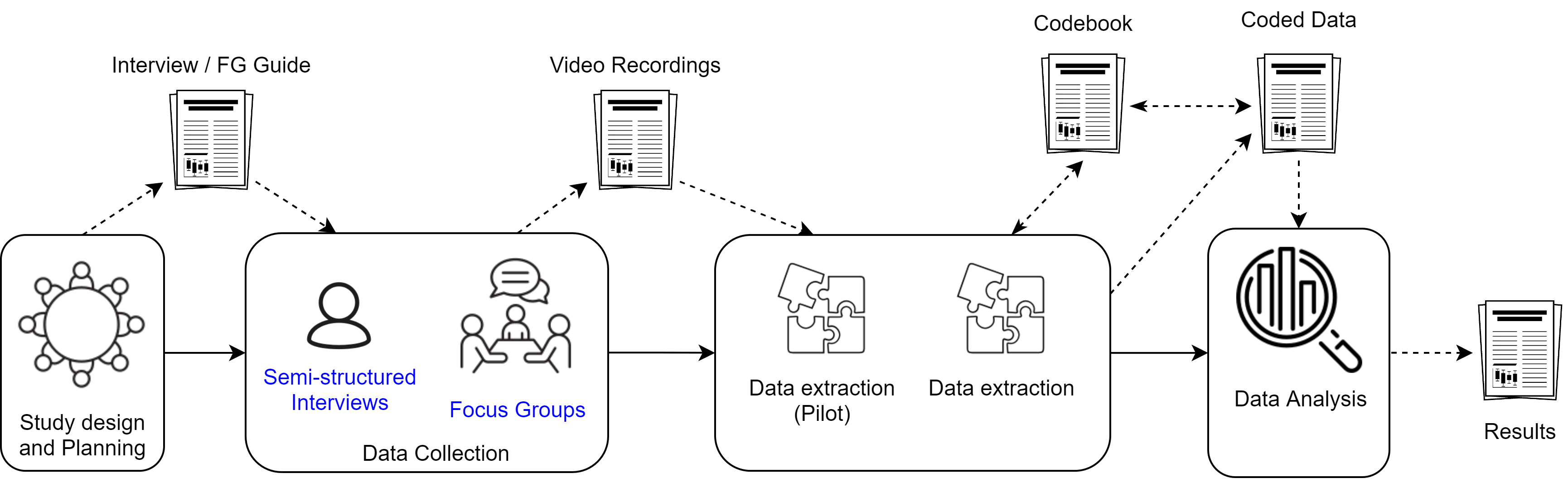
- 对来自九个国家的28家组织的IT专业人员开展了定性访谈与焦点小组讨论。
- 收集了关于组织兴趣、可持续性目标、实施挑战及所需技能的数据。
- 采用主题分析法识别可持续性兴趣、目标与技能需求中的重复主题。
- 将识别出的能力映射到可持续性维度:环境、经济、社会、技术与个人。
- 将研究发现综合成一个全面的可持续性能力框架,用于软件工程教育。
- 提出一个课程框架,整合核心可持续性概念、系统思维、伦理、标准及商业案例开发。
实验结果
研究问题
- RQ1IT部门的组织对可持续性的兴趣是什么?
- RQ2这些组织希望实现哪些可持续性目标,采取了哪些策略?
- RQ3软件工程师需要哪些与可持续性相关的技能与能力,以帮助组织实现其可持续性目标?
- RQ4组织目前如何应对可持续性技能的缺口,这些方法存在哪些局限性?
- RQ5软件工程教育中应包含哪些核心主题与能力,以满足产业需求?
主要发现
- 组织在意识形态和核心业务原因驱动下,正日益重视可持续性,特别是提升产品与流程的可持续性。
- 主要挑战在于短期财务盈利与长期可持续性目标之间的权衡,且这种挑战因对可持续性概念理解不清晰而加剧。
- 组织通常依赖内部培训、与高校合作以及外部课程来弥补可持续性技能的缺口。
- 识别出的最关键能力包括系统思维、可持续性思维、技术可持续性、商业案例开发以及伦理决策能力。
- 亟需教育项目将可持续性整合到所有维度——环境、经济、社会、技术与个人——而不仅限于技术方面。
- 可持续性必须作为软件工程课程体系的核心组成部分,重点在于将环境与社会效益转化为可衡量的经济价值。

更好的研究,从现在开始
从阅读论文到最终审阅,大幅缩短您的研究时间。
无需绑定信用卡
本解读由 AI 生成,并经人工编辑审核。