
[论文解读] Systemic Risk and Vulnerability Analysis of Multi-cloud Environments
本论文使用 STRIDE 和 DREAD 对多云环境进行整体的风险与脆弱性分析,以识别并对架构、API、认证、自动化、管理差异以及立法等方面的攻击向量进行排序,并提出缓解措施。
With the increasing use of multi-cloud environments, security professionals face challenges in configuration, management, and integration due to uneven security capabilities and features among providers. As a result, a fragmented approach toward security has been observed, leading to new attack vectors and potential vulnerabilities. Other research has focused on single-cloud platforms or specific applications of multi-cloud environments. Therefore, there is a need for a holistic security and vulnerability assessment and defense strategy that applies to multi-cloud platforms. We perform a risk and vulnerability analysis to identify attack vectors from software, hardware, and the network, as well as interoperability security issues in multi-cloud environments. Applying the STRIDE and DREAD threat modeling methods, we present an analysis of the ecosystem across six attack vectors: cloud architecture, APIs, authentication, automation, management differences, and cybersecurity legislation. We quantitatively determine and rank the threats in multi-cloud environments and suggest mitigation strategies.
研究动机与目标
- 出于对多云环境中提供商安全能力不均衡的原因,动员对整体安全的需求。
- 定义一个代表性的多云架构和攻击面以研究互操作性风险。
- 应用 STRIDE 将攻击向量进行分类,使用 DREAD 量化并对风险进行排序。
- 为每个攻击向量识别缓解措施,以改善多云安全态势。
提出的方法
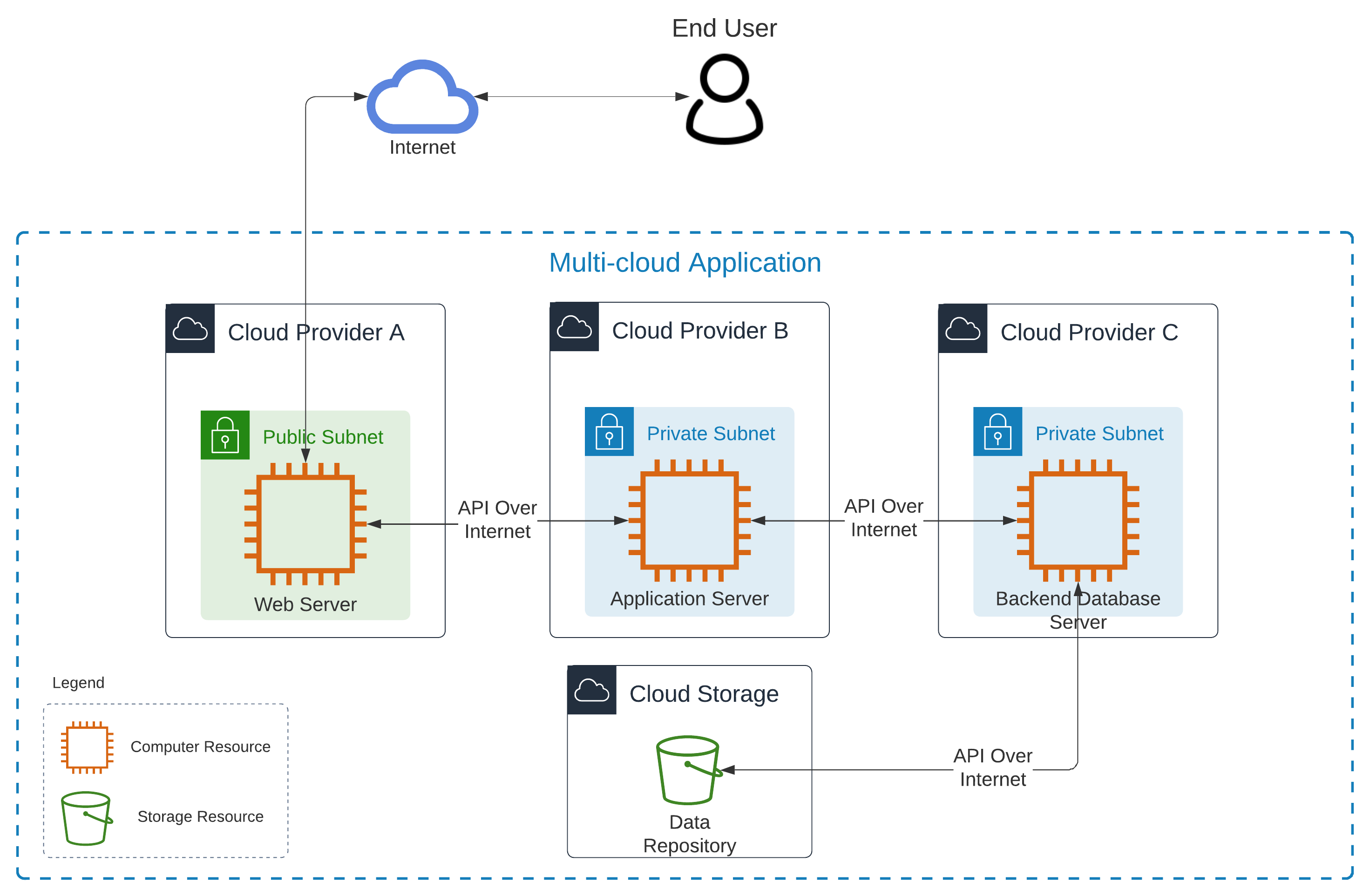
- 建模分布在不同提供商的三层多云Web应用架构。
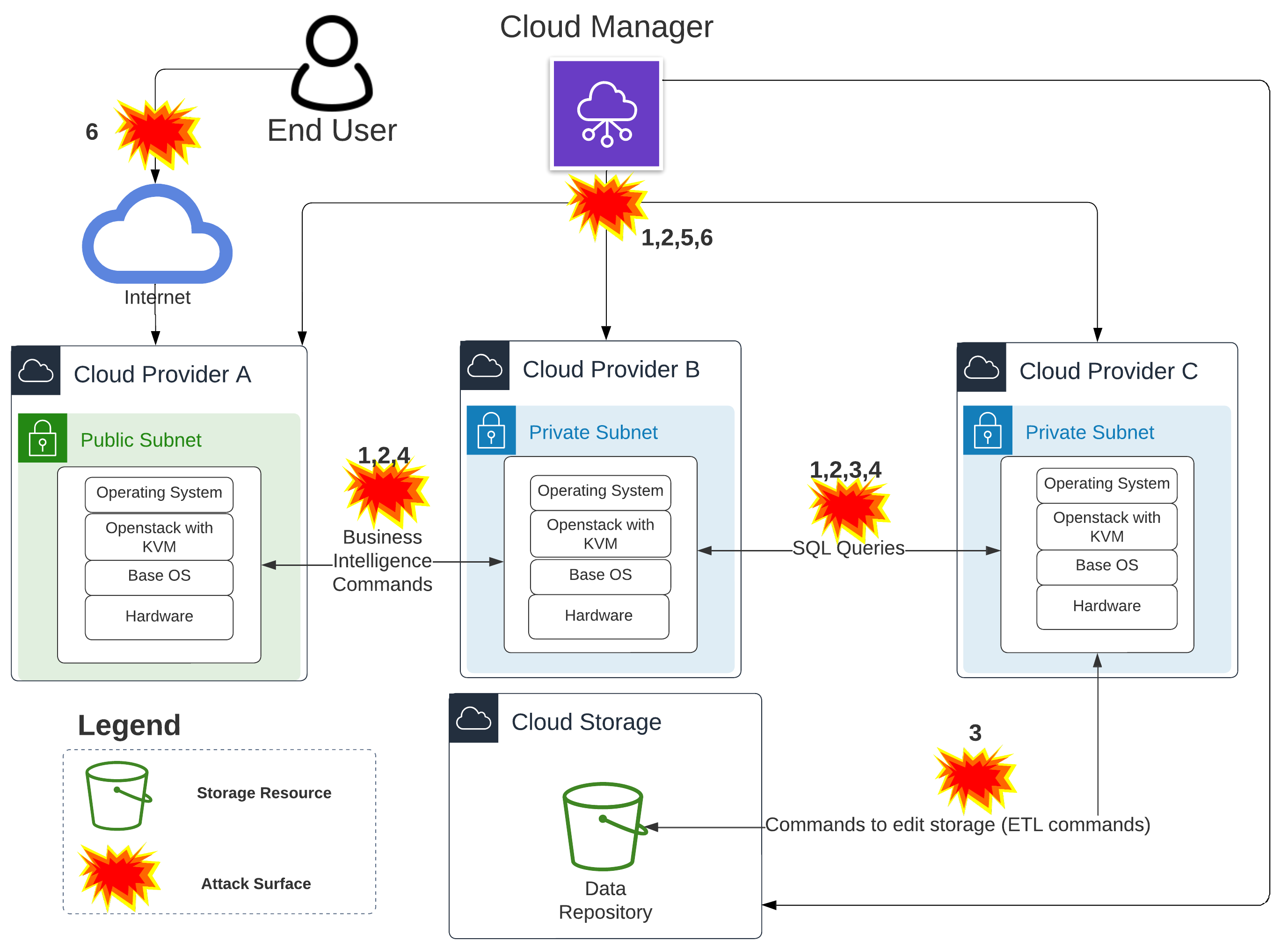
- 使用 STRIDE 识别并对架构、API、认证、自动化、管理差异以及立法等方面的攻击向量进行分类。
- 应用 DREAD 为每个威胁类别分配定量风险分数并优先化缓解措施。
- 提出可行的缓解措施,例如为识别出的风险采用多因素认证和特权访问管理。
实验结果
研究问题
- RQ1在考虑架构、API、认证、自动化、管理和立法时,多云环境中会出现哪些攻击向量?
- RQ2如何使用 STRIDE 对这些向量进行分类,使用 DREAD 在多云环境中对其风险进行定量排名?
- RQ3在识别出的多云攻击向量中,哪些缓解措施最有效地降低风险?
主要发现
- 在多云环境中,威胁在六个攻击向量中被识别和分类。
- 通过 DREAD 计算定量风险分数以优先化威胁并指导缓解工作。
- 缓解措施包括针对每个攻击向量的多因素认证和特权访问管理等策略。
- 研究强调互操作性挑战是多云环境安全问题的根本原因。
更好的研究,从现在开始
从论文设计到论文写作,大幅缩短您的研究时间。
无需绑定信用卡
本解读由 AI 生成,并经人工编辑审核。