
[论文解读] T3P: Demystifying Low-Earth Orbit Satellite Broadband
本文提出T3P,一个用于测量和优化近地轨道(LEO)卫星宽带网络性能的测试平台与分析框架,特别针对SpaceX Starlink网络。通过在欧洲多个地点部署的分布式测试平台LEOScope,作者量化了延迟波动,建立了针对延迟和吞吐量的预测模型(实现3.65%的MAPE),并优化了BBRv2拥塞控制机制,使吞吐量最高提升115%,延迟增加极少。
The Internet is going through a massive infrastructural revolution with the advent of low-flying satellite networks, 5/6G, WiFi7, and hollow-core fiber deployments. While these networks could unleash enhanced connectivity and new capabilities, it is critical to understand the performance characteristics to efficiently drive applications over them. Low-Earth orbit (LEO) satellite mega-constellations like SpaceX Starlink aim to offer broad coverage and low latencies at the expense of high orbital dynamics leading to continuous latency changes and frequent satellite hand-offs. This paper aims to quantify Starlink's latency and its variations and components using a real testbed spanning multiple latitudes from the North to the South of Europe. We identify tail latencies as a problem. We develop predictors for latency and throughput and show their utility in improving application performance by up to 25%. We also explore how transport protocols can be optimized for LEO networks and show that this can improve throughput by up to 115% (with only a 5% increase in latency). Also, our measurement testbed with a footprint across multiple locations offers unique trigger-based scheduling capabilities that are necessary to quantify the impact of LEO dynamics.
研究动机与目标
- 为了理解真实世界LEO卫星网络的性能特征,特别是Starlink网络中动态延迟与吞吐量行为的特性。
- 识别尾部延迟作为影响LEO网络应用性能的关键瓶颈。
- 基于遥测数据与轨道数据,为LEO动态特性量身定制延迟与吞吐量的预测模型。
- 优化端到端传输协议(如BBRv2)以提升LEO网络中的吞吐量与鲁棒性。
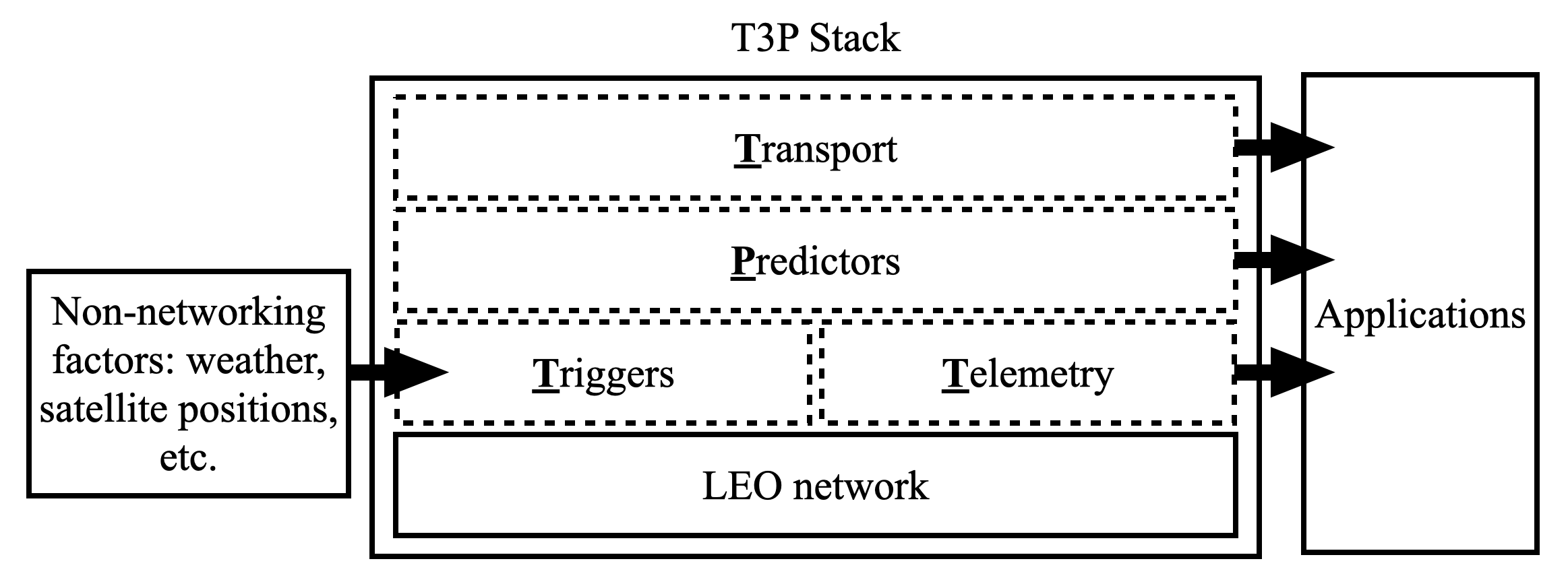
- 构建一个可扩展的分布式测试平台(LEOScope),并采用触发式调度机制,以捕捉LEO特有的网络动态特性。
提出的方法
- 在两个国家部署了包含5个测量客户端的分布式测试平台LEOScope,使用Starlink终端与Azure服务器。
- 通过gRPC API实时收集来自Starlink终端的遥测数据,包括终端朝向与来自Celestrak的卫星位置信息。
- 利用XGBoost与LSTM构建时间序列预测模型,基于轨道动力学与历史数据预测延迟与吞吐量。
- 将吞吐量预测结果集成到自适应码率(ABR)视频流算法(RobustMPC)中,以提升用户体验质量(QoE)。
- 对BBRv2进行二维参数空间搜索,以识别在RTT波动大、丢包模式频繁的LEO网络中最佳的拥塞控制配置。
- 在LEOScope中启用触发式调度与抢占模式,以高效捕捉瞬态卫星切换过程并扩展实验规模。
实验结果
研究问题
- RQ1在Starlink的LEO网络中,延迟与吞吐量在不同地理位置与轨道动力学下如何变化?
- RQ2尾部延迟(例如,为中位数的11–16倍)在多大程度上影响LEO网络中的应用性能?
- RQ3基于遥测与轨道数据的预测模型能否准确预测LEO网络中的延迟与吞吐量?
- RQ4如何利用LEO感知的预测机制提升应用层性能(如视频流QoE)?
- RQ5在RTT变化剧烈且频繁发生切换的LEO网络中,BBRv2的哪些参数配置能最优地提升吞吐量与延迟表现?
主要发现
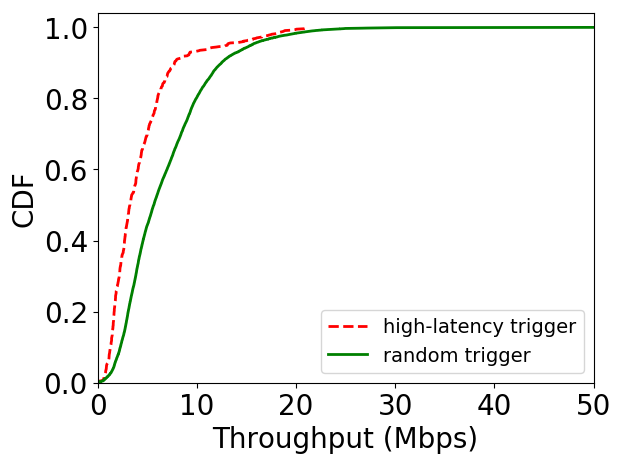
- Starlink表现出高平均吞吐量与低平均延迟,但尾部延迟可高达中位数的11–16倍,显著影响性能表现。
- 表现最佳的延迟预测模型实现3.65%的平均绝对百分比误差(MAPE),吞吐量预测模型则实现19.2%的MAPE。
- 将吞吐量预测集成至RobustMPC ABR算法后,视频流用户体验质量(QoE)最高提升25%。
- 经优化的BBRv2配置相比默认设置使吞吐量提升115%,延迟仅增加5%。
- LEOScope测试平台成功捕捉了真实的LEO动态特性,并生成了适用于仿真与仿真的真实链路配置。
- 本研究证明,基于LEO特性的传输与应用层优化可显著提升动态卫星网络的性能表现。
更好的研究,从现在开始
从阅读论文到最终审阅,大幅缩短您的研究时间。
无需绑定信用卡
本解读由 AI 生成,并经人工编辑审核。