
[论文解读] Targeted Attack on GPT-Neo for the SATML Language Model Data Extraction Challenge
本文针对 SATML2023 语言模型训练数据提取挑战赛,提出了一种针对 GPT-Neo 的两阶段目标数据提取攻击。首先利用对比搜索最大化从 50-token 前缀生成候选后缀的召回率,随后采用基于 AutoSklearn 的成员推理攻击,以高精度筛选出正确后缀。该方法在 10% 假阳率下实现了 0.405 的召回率,相比基线提升了 34%。
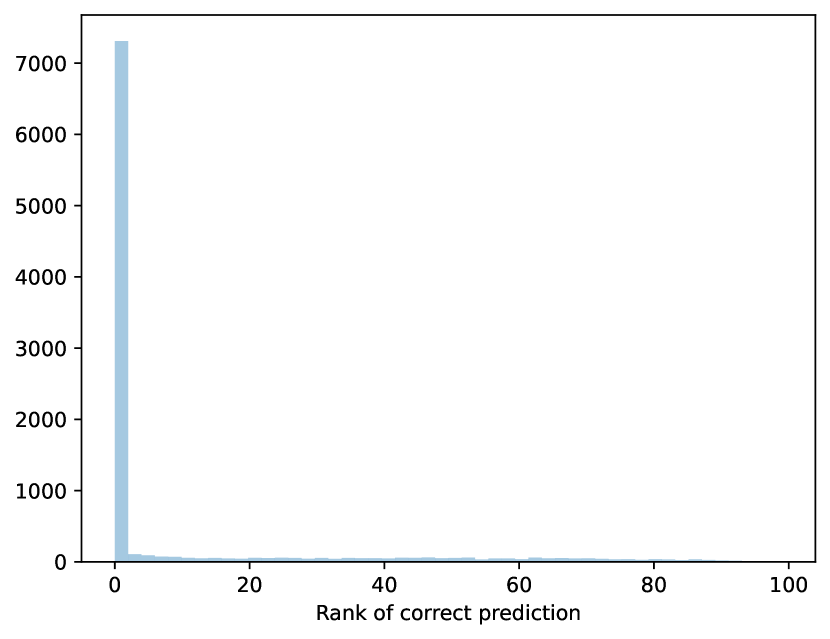
Previous work has shown that Large Language Models are susceptible to so-called data extraction attacks. This allows an attacker to extract a sample that was contained in the training data, which has massive privacy implications. The construction of data extraction attacks is challenging, current attacks are quite inefficient, and there exists a significant gap in the extraction capabilities of untargeted attacks and memorization. Thus, targeted attacks are proposed, which identify if a given sample from the training data, is extractable from a model. In this work, we apply a targeted data extraction attack to the SATML2023 Language Model Training Data Extraction Challenge. We apply a two-step approach. In the first step, we maximise the recall of the model and are able to extract the suffix for 69% of the samples. In the second step, we use a classifier-based Membership Inference Attack on the generations. Our AutoSklearn classifier achieves a precision of 0.841. The full approach reaches a score of 0.405 recall at a 10% false positive rate, which is an improvement of 34% over the baseline of 0.301.
研究动机与目标
- 为填补无目标攻击与模型记忆化之间的数据提取能力差距,开发一种目标攻击。
- 在无法访问影子模型或基础模型的黑盒设置下,提升数据提取的召回率。
- 评估不同解码策略与分类器模型在从 GPT-Neo 中最大化正确后缀恢复方面的有效性。
- 优化成员推理中召回率与假阳率之间的权衡,以实现语言模型数据提取。
- 展示一种无需微调或提示微调的实用且高效的攻击流程。
提出的方法
- 该攻击采用两阶段方法:首先,GPT-Neo 使用对比搜索从每个 50-token 前缀生成多个候选后缀,以最大化召回率。
- 第二阶段,使用二分类成员推理分类器(AutoSklearn)根据置信度对候选后缀进行排序,以选择最可能正确的后缀。
- 分类器的特征源自使用 TF-IDF 或 Sentence-Transformers 的句子嵌入,AutoSklearn 自动选择最佳预处理与模型流水线。
- 使用 10% 假阳率下的召回率作为评估指标,该指标在相对误差敏感场景下平衡了精确率与召回率。
- 该方法避免微调或提示微调,仅依赖标准解码与现成的机器学习流水线,以确保效率。
- 分类器在生成的后缀上进行训练,并根据其是否属于训练数据进行标签标注,采用黑盒安全博弈框架。
实验结果
研究问题
- RQ1在针对 GPT-Neo 的黑盒数据提取攻击中,哪种解码策略能最大化正确后缀生成的召回率?
- RQ2基于 AutoSklearn 的成员推理分类器在极少假阳率下,区分训练数据后缀与非成员的能力有多强?
- RQ3结合 TF-IDF 与 Sentence-Transformers 的特征工程流水线是否能提升数据提取攻击中分类器的性能?
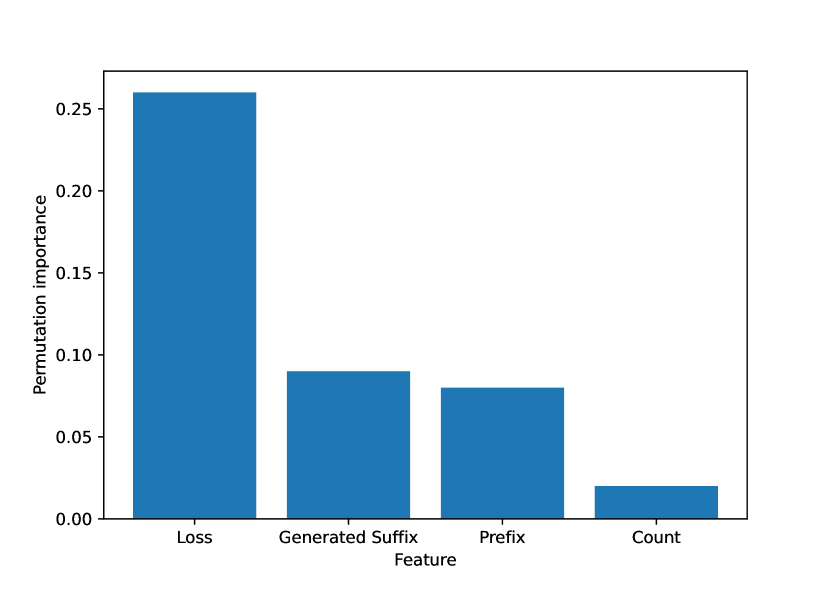
- RQ4该攻击的性能在多大程度上取决于生成阶段与分类阶段?
- RQ5与基线相比,该攻击在 10% 假阳率下的召回率如何?模型选择与特征表示对性能有何影响?
主要发现
- 该攻击在 10% 假阳率下实现了 0.405 的召回率,相比基线的 0.301 提升了 34%。
- 对比搜索被证明是最大化正确候选后缀数量的最有效解码策略。
- AutoSklearn 分类器实现了 0.841 的精确率,显著优于逻辑回归与 SVM 等其他模型。
- 使用 Sentence-Transformers 嵌入将维度从 28,182(TF-IDF)降低至 768,实现了更快的训练速度且未造成显著性能损失。
- 攻击流水线的生成阶段耗时约一小时(在 RTX 3080 上),成员推理阶段仅需数秒,因此高效且可扩展。
- 验证集的召回率达到 0.413(10% 假阳率),表明模型泛化能力强且性能表现均衡。
更好的研究,从现在开始
从阅读论文到最终审阅,大幅缩短您的研究时间。
无需绑定信用卡
本解读由 AI 生成,并经人工编辑审核。