
[论文解读] The Dawn of AI-Native EDA: Opportunities and Challenges of Large Circuit Models
一个观点,提出从 AI4EDA 转向 AI-native EDA 的转变,倡导将跨设计阶段整合多模态电路数据的大型多模态电路模型(LCM),以提升合成、验证和优化。
Within the Electronic Design Automation (EDA) domain, AI-driven solutions have emerged as formidable tools, yet they typically augment rather than redefine existing methodologies. These solutions often repurpose deep learning models from other domains, such as vision, text, and graph analytics, applying them to circuit design without tailoring to the unique complexities of electronic circuits. Such an AI4EDA approach falls short of achieving a holistic design synthesis and understanding, overlooking the intricate interplay of electrical, logical, and physical facets of circuit data. This paper argues for a paradigm shift from AI4EDA towards AI-native EDA, integrating AI at the core of the design process. Pivotal to this vision is the development of a multimodal circuit representation learning technique, poised to provide a comprehensive understanding by harmonizing and extracting insights from varied data sources, such as functional specifications, RTL designs, circuit netlists, and physical layouts. We champion the creation of large circuit models (LCMs) that are inherently multimodal, crafted to decode and express the rich semantics and structures of circuit data, thus fostering more resilient, efficient, and inventive design methodologies. Embracing this AI-native philosophy, we foresee a trajectory that transcends the current innovation plateau in EDA, igniting a profound shift-left in electronic design methodology. The envisioned advancements herald not just an evolution of existing EDA tools but a revolution, giving rise to novel instruments of design tools that promise to radically enhance design productivity and inaugurate a new epoch where the optimization of circuit performance, power, and area (PPA) is achieved not incrementally, but through leaps that redefine the benchmarks of electronic systems' capabilities.
研究动机与目标
- 激发从 AI4EDA 到 AI-native EDA 的范式转变,以更好地捕捉电路特定的复杂性。
- 倡导多模态电路表示学习,协调规范、RTL、网表和布局等数据。
- 提出能够整合多样化电路数据、提高设计生产力和 PPA 的大型电路模型(LCMs)。
- 强调实现 shift-left 方法的潜力,在设计过程的早期识别问题。
提出的方法
- 主张开发专门针对电路的基础模型,为每种设计模态提供单独表示。
- 概述单模态电路表示学习,作为多模态 LCM 的基础。
- 讨论在保持设计意图的同时,跨设计阶段对齐和整合表示的技术。
- 回顾受 NLP、计算机视觉和多模态学习中的基础模型启发的潜在架构和学习范式。
- 提出将高层规范与低层物理布局统一的 LCM 构建路线图。
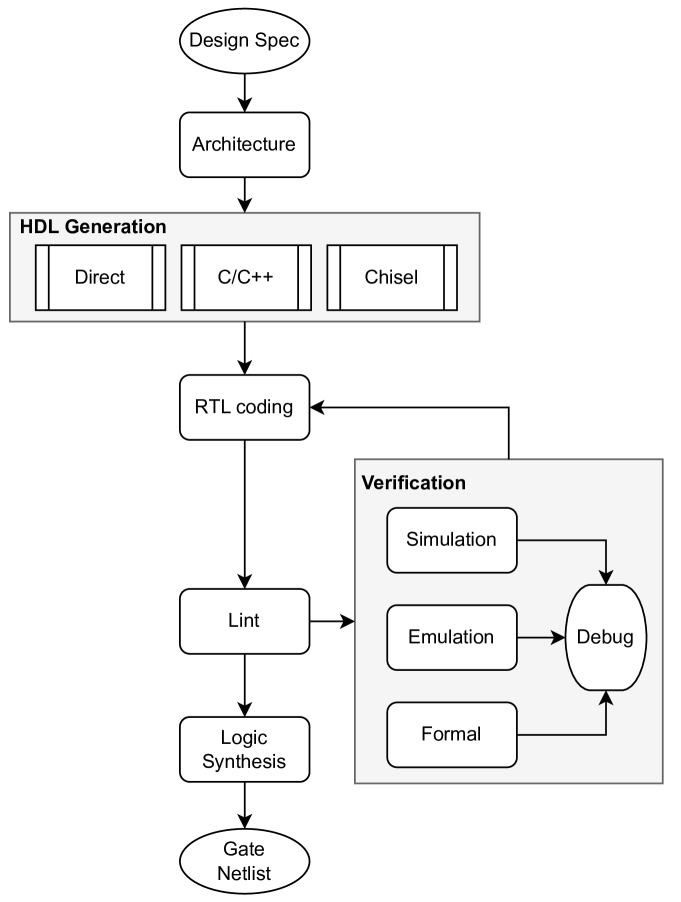
实验结果
研究问题
- RQ1如何设计大型电路模型(LCMs)以跨设计阶段对电路数据进行多模态表示?
- RQ2从 AI4EDA 转向 AI-native EDA 的关键挑战与机遇是什么?
- RQ3如何对齐多模态表示,以在从规范到物理布局的过程中保持设计意图?
- RQ4LCMs 对设计生产力、PPA 和上市时间在 EDA 中可能产生哪些影响?
主要发现
- LCMs 提供将多种电路数据类型整合和解释为统一设计叙事的愿景。
- AI-native EDA 旨在通过将 AI 紧密嵌入到核心设计过程来超越 AI 增强。
- 提出多模态电路表示学习对于解码电路数据的语义与结构是必不可少的。
- 向左偏移的设计方法可以在开发早期简化瓶颈和潜在问题的识别。
- 该观点概述了在前端、后端和特定电路领域的潜在应用,并关注数据稀缺性和可扩展性挑战。
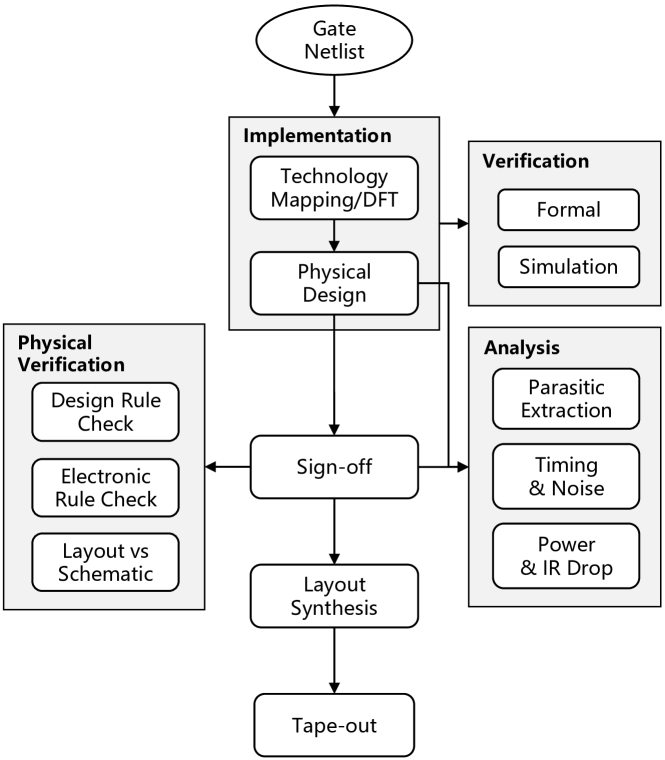
更好的研究,从现在开始
从论文设计到论文写作,大幅缩短您的研究时间。
无需绑定信用卡
本解读由 AI 生成,并经人工编辑审核。