
[论文解读] The Foundation Model Transparency Index
论文提出 2023 Foundation Model Transparency Index (FMTI),在上游、模型和下游领域设有 100 个指标,对 10 家主要开发者的旗舰模型进行评分,以评估透明度并指导治理。
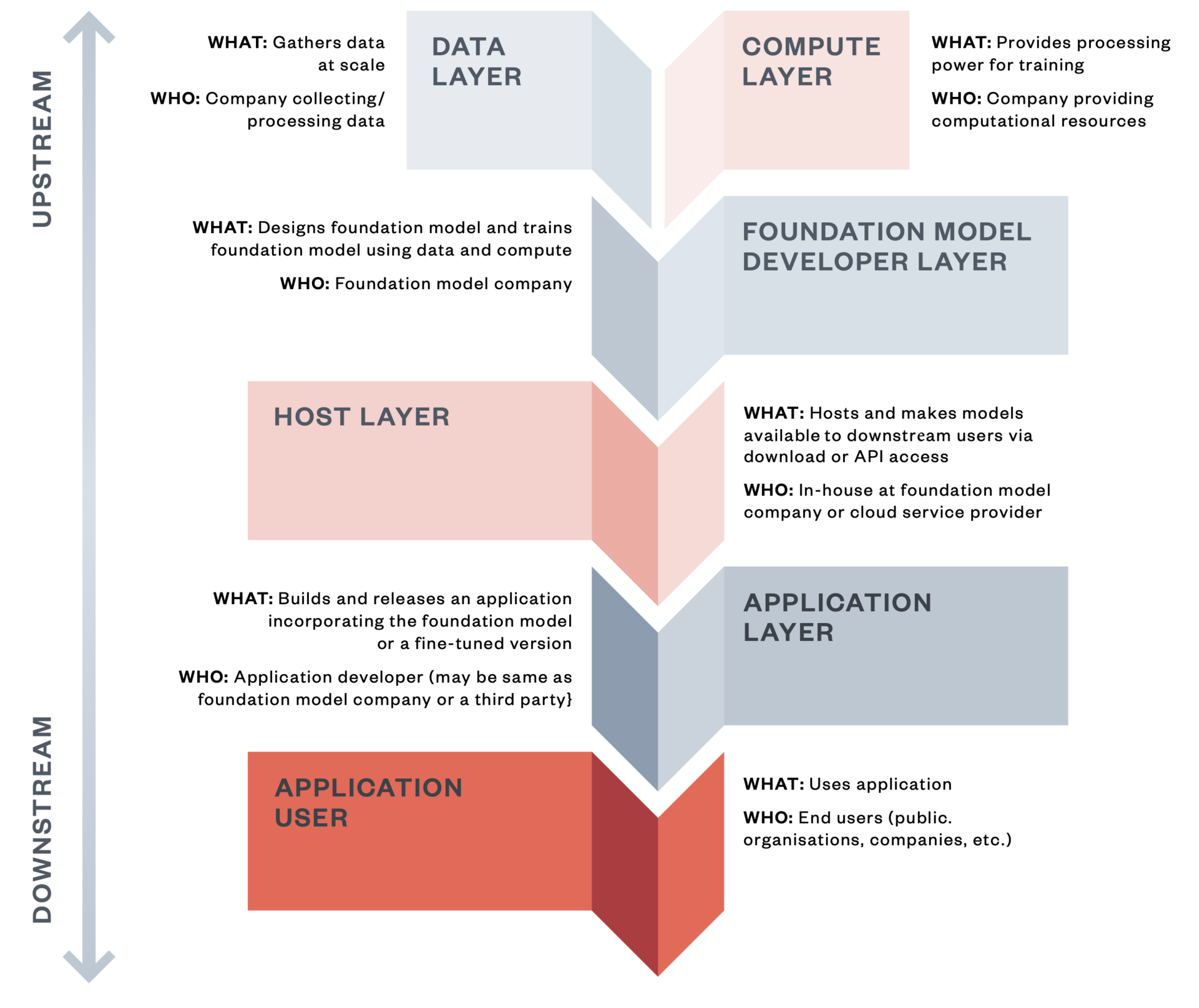
Foundation models have rapidly permeated society, catalyzing a wave of generative AI applications spanning enterprise and consumer-facing contexts. While the societal impact of foundation models is growing, transparency is on the decline, mirroring the opacity that has plagued past digital technologies (e.g. social media). Reversing this trend is essential: transparency is a vital precondition for public accountability, scientific innovation, and effective governance. To assess the transparency of the foundation model ecosystem and help improve transparency over time, we introduce the Foundation Model Transparency Index. The Foundation Model Transparency Index specifies 100 fine-grained indicators that comprehensively codify transparency for foundation models, spanning the upstream resources used to build a foundation model (e.g data, labor, compute), details about the model itself (e.g. size, capabilities, risks), and the downstream use (e.g. distribution channels, usage policies, affected geographies). We score 10 major foundation model developers (e.g. OpenAI, Google, Meta) against the 100 indicators to assess their transparency. To facilitate and standardize assessment, we score developers in relation to their practices for their flagship foundation model (e.g. GPT-4 for OpenAI, PaLM 2 for Google, Llama 2 for Meta). We present 10 top-level findings about the foundation model ecosystem: for example, no developer currently discloses significant information about the downstream impact of its flagship model, such as the number of users, affected market sectors, or how users can seek redress for harm. Overall, the Foundation Model Transparency Index establishes the level of transparency today to drive progress on foundation model governance via industry standards and regulatory intervention.
研究动机与目标
- 将一个全面、细粒度的框架编码为在基础模型的上游资源、模型细节和下游使用方面衡量透明度。
- 以标准化的一组指标评估 10 家主要基础模型开发商的透明度实践。
- 提供经验性发现和可操作的建议,供开发者、部署者和政策制定者改进基础模型治理。
提出的方法
- 将透明度分解为三个领域(上游、模型、下游),每个领域设 32–35 个指标,总计 100 个可判定指标。
- 使用其旗舰模型的公开信息,对 10 家主要开发商在这些指标上进行评分。
- 允许开发者对分数提出异议,以确保评分的可靠性和透明度。
- 公开核心材料、指标、分数及其理由,以实现可复现性。
实验结果
研究问题
- RQ1在上游、模型和下游领域,主要基础模型开发商的透明度现状如何?
- RQ2开放性(开放与封闭)如何与生态系统中的透明度分数相关?
- RQ3透明度最强和最弱的维度是什么,最需要改进的领域在哪里?
- RQ4这些发现如何为基础模型的政策、治理与行业实践提供信息?
主要发现
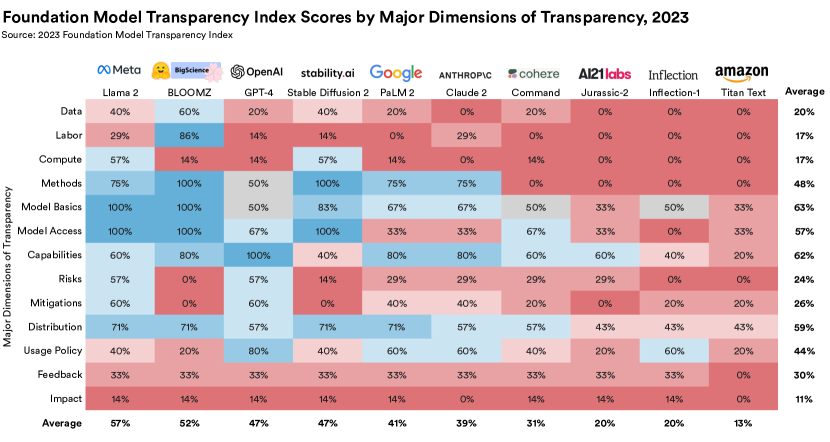
- 透明度总体仍有较大提升空间,最高分为 54/100,均值为 37/100。
- 分数存在显著不对称性,将开发者按表现从高到低聚成三组。
- 上游透明度表现最差,数据创建、数据劳动和计算常常得零分。
- 模型信息和下游分发的透明度相对较高,但诸如模型大小等基本细节仍然经常不披露。
- 开放方开发者在大多数子领域表现优于封闭方,尤其是上游透明度;然而,下游透明度对两组都仍然有限。
- 某些开发者对的分数高度相关,而 Meta 作为异常值突出。
更好的研究,从现在开始
从论文设计到论文写作,大幅缩短您的研究时间。
无需绑定信用卡
本解读由 AI 生成,并经人工编辑审核。