
[论文解读] The Solar Orbiter Science Activity Plan: translating solar and heliospheric physics questions into action
本文介绍了太阳轨道器科学活动计划(SAP),这是一种全面且动态的运行策略,通过仪器特定的观测模式(SOOPs),将高优先级的太阳与日球层科学问题转化为可执行的观测序列。该计划通过协调所有任务阶段(包括巡航和标准运行阶段)的远程探测与原位仪器,结合实时数据和与帕克太阳探测器等任务的联合观测,实现最优的科学回报。
Solar Orbiter is the first space mission observing the solar plasma both in situ and remotely, from a close distance, in and out of the ecliptic. The ultimate goal is to understand how the Sun produces and controls the heliosphere, filling the Solar System and driving the planetary environments. With six remote-sensing and four in-situ instrument suites, the coordination and planning of the operations are essential to address the following four top-level science questions: (1) What drives the solar wind and where does the coronal magnetic field originate? (2) How do solar transients drive heliospheric variability? (3) How do solar eruptions produce energetic particle radiation that fills the heliosphere? (4) How does the solar dynamo work and drive connections between the Sun and the heliosphere? Maximising the mission's science return requires considering the characteristics of each orbit, including the relative position of the spacecraft to Earth (affecting downlink rates), trajectory events (such as gravitational assist manoeuvres), and the phase of the solar activity cycle. Furthermore, since each orbit's science telemetry will be downloaded over the course of the following orbit, science operations must be planned at mission level, rather than at the level of individual orbits. It is important to explore the way in which those science questions are translated into an actual plan of observations that fits into the mission, thus ensuring that no opportunities are missed. First, the overarching goals are broken down into specific, answerable questions along with the required observations and the so-called Science Activity Plan (SAP) is developed to achieve this. The SAP groups objectives that require similar observations into Solar Orbiter Observing Plans (SOOPs), resulting in a strategic, top-level view of the optimal opportunities for science observations during the mission lifetime.
研究动机与目标
- 将高层级太阳与日球层科学目标转化为太阳轨道器任务的协调、可执行观测策略。
- 解决在严格航天器资源限制下,最大化高时间分辨率、高空间分辨率远程探测观测的技术与运行挑战。
- 通过专用的远程探测检校窗口(RSCWs),确保巡航阶段仪器的全面准备就绪与校准。
- 通过与其他空间任务(如帕克太阳探测器、贝皮科洛姆博)的联合观测,增强科学协同效应。
- 保持动态演化的计划,能够响应新数据与科学洞见,确保任务长期适应性。
提出的方法
- 作为任务级运行框架,开发科学活动计划(SAP),整合国际太阳与太阳物理学界的意见。
- 使用太阳轨道器观测计划(SOOPs)作为模块化构建单元,定义针对特定科学目标的仪器模式。
- 实施分阶段运行概念:巡航阶段(有限的原位运行,用于校准的RSCWs)、标准阶段(全面科学运行)和扩展阶段(持续科学运行,采用自适应规划)。
- 与科学运行中心及项目科学家协调,优化运行程序与仪器调度。
- 通过任务对齐与数据共享协议,整合与其他任务的联合观测机会。
- 定期审查与修订SAP,以确保在新数据与科学理解出现时具备适应能力。
实验结果
研究问题
- RQ1如何系统地将最关键的太阳与日球层科学问题转化为太阳轨道器可执行的观测序列?
- RQ2何种运行策略可确保在有限航天器资源下,最优利用高时间分辨率、高空间分辨率的远程探测与原位测量?
- RQ3如何通过专用检校窗口,在巡航阶段对远程探测仪器进行校准与准备,以确保其在标准任务阶段的全面运行能力?
- RQ4与其他空间任务(如帕克太阳探测器)的联合观测在提升太阳轨道器科学回报方面发挥何种作用?
- RQ5如何使科学活动计划在任务全周期内保持适应性与响应性,以应对不断演变的科学洞见与新数据?
主要发现
- SAP成功地通过仪器特定的SOOPs,将高层级科学目标转化为结构化、可执行的计划,确保对关键太阳与日球层现象的全面覆盖。
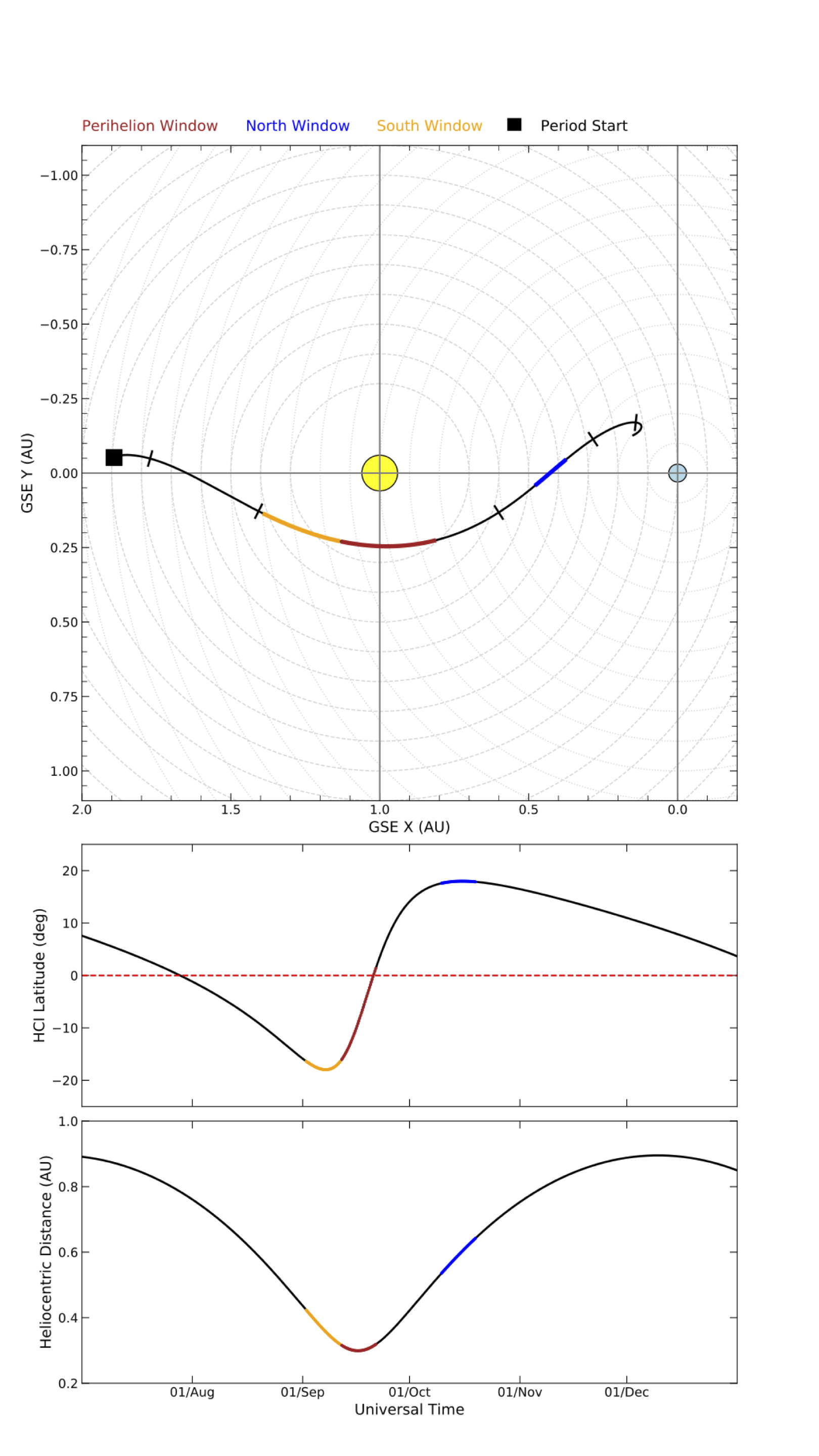
- 在2020–2021年期间规划了四个专用的远程探测检校窗口(RSCWs),用于在不同热环境与距离条件下校准与表征远程探测仪器,确保其在标准任务阶段的准备就绪。
- 原位仪器在巡航阶段以正常模式持续运行,并辅以定期的观测爆发,确保数据连续性与科学运行的准备就绪。
- 任务成功实现了与其他空间任务(包括帕克太阳探测器与贝皮科洛姆博)的协调,实现了独特的联合观测机会,显著增强了科学背景与分辨率。
- SAP被设计为一种动态演化的计划,允许基于新数据与科学洞见进行定期审查与调整,从而最大化长期科学回报。
- 运行框架通过整合国际科学界、仪器团队与任务运行团队的输入,确保所有科学目标均以最优方式实现。
更好的研究,从现在开始
从论文设计到论文写作,大幅缩短您的研究时间。
无需绑定信用卡
本解读由 AI 生成,并经人工编辑审核。