
[论文解读] Understanding and Facilitating Mental Health Help-Seeking of Young Adults: A Socio-technical Ecosystem Framework
本研究提出了一种社会技术生态系统框架,将心理健康资源划分为四个层级——社会、社区、人际和科技,并识别出三种支持机制:照护提供、照护中介和照护外展。该框架揭示了两种支持系统类型(单资源与多资源),映射了多样的照护路径,同时识别出各层级的障碍,为心理健康技术的设计提供了可操作的启示。
Prior research on young adults' mental health help-seeking mostly focuses on one particular resource such as a mobile app or digital platform, paying less attention to their lived experiences interacting with the ecosystem of resources. We conducted in-depth interviews with 18 participants about their help-seeking and non-help-seeking experiences. Guided by Social Ecological Theory, we proposed a Socio-technical Ecosystem Framework for mental health care, consisting of four levels of resources, including technological-, interpersonal-, community-, and societal level resources. Using this framework, we identified two types of support systems for help-seeking, single-resource support system and multi-resource support system. These resources support young adults' help-seeking via three mechanisms, extit{care-giving}, extit{care-mediating}, and extit{care-outreaching}, forming various pathways to care. We then pointed out the barriers to resource use at each level and the general challenges in finding a support system. Our findings contributed to a conceptual framework to categorize mental health care. It also serves as a practical framework to identify challenges in the pathways to care and discover design implications.
研究动机与目标
- 填补现有研究中对年轻成年人心理健康求助行为理解的空白,超越孤立的数字工具,考察其在更广泛资源生态系统中的真实生活体验。
- 探究尽管数字干预手段日益丰富,为何心理健康技术采纳率仍偏低。
- 构建一个全面的概念性框架,用于分类和分析年轻成年人获取心理健康支持的复杂路径。
- 识别在社会、社区、人际和科技四个层级上存在的求助障碍,理解建立稳定支持系统所面临的系统性挑战。
- 为与现实用户实践和生态效度相契合的心理健康技术提供设计启示。
提出的方法
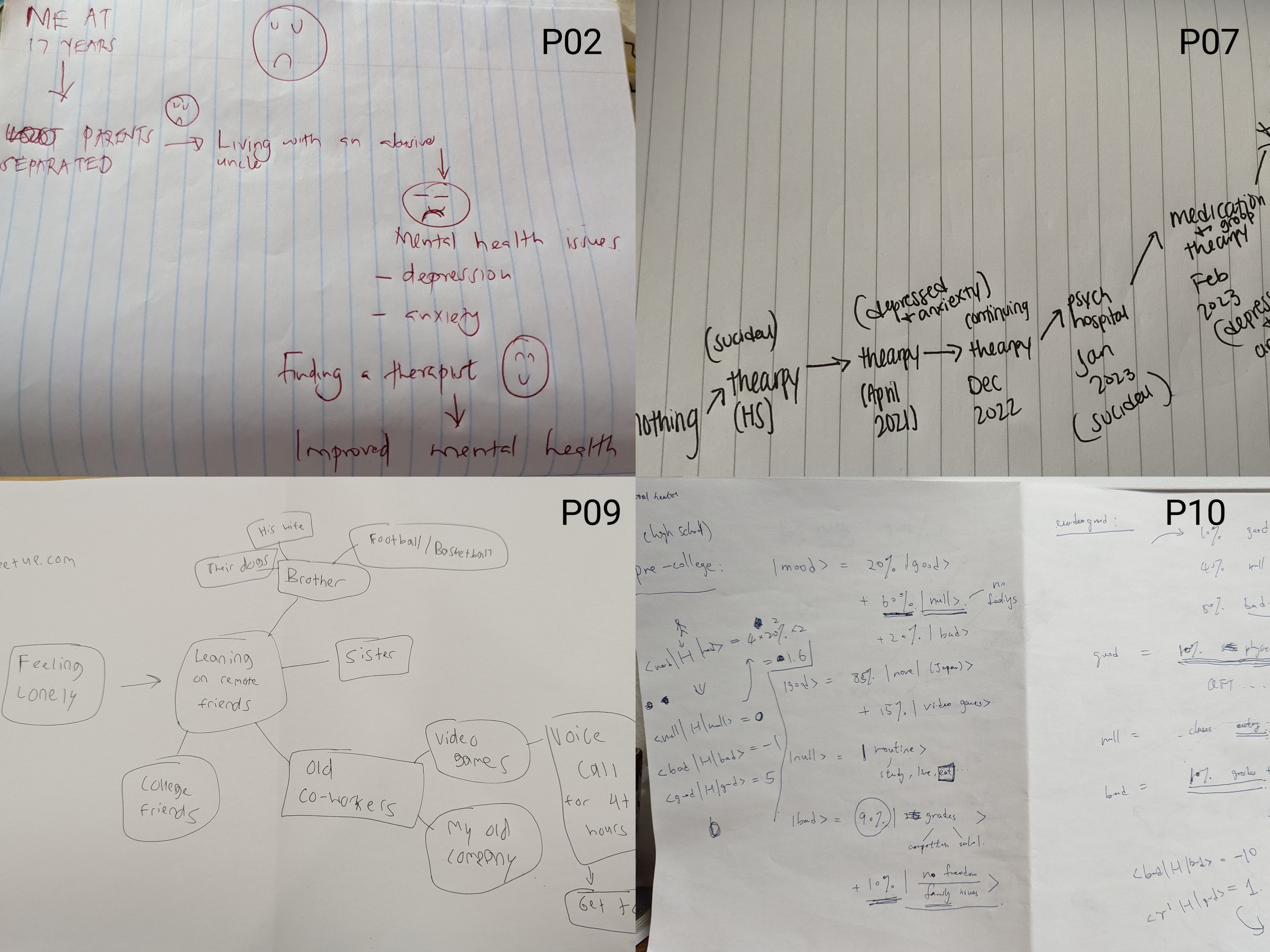
- 对18名经历不同程度心理健康困扰的年轻成年人进行了深入的半结构化访谈,以探讨其求助与非求助行为。
- 以社会生态理论作为基础理论视角,分析心理健康求助中多层级影响因素之间的互动。
- 开发了四层级社会技术生态系统框架:科技、人际、社区和社会资源,每一层级均对照护路径有所贡献。
- 识别并分析了三种支持机制:照护提供(直接支持)、照护中介(促进获取)和照护外展(主动外展)。
- 通过追踪参与者在不同层级和机制间组合使用资源的方式,绘制了多样的照护路径。
- 采用迭代式数据分析,将支持系统分类为单资源或多资源系统,并识别各层级的障碍。
实验结果
研究问题
- RQ1当年轻成年人寻求心理健康帮助时,其资源使用实践是什么?
- RQ2在社会技术生态系统不同层级上,年轻成年人的心理健康求助面临哪些障碍?
- RQ3不同资源组合如何在求助过程中形成稳定或不稳定的支援系统?
- RQ4照护提供、照护中介和照护外展机制在塑造心理健康照护路径中分别发挥什么作用?
主要发现
- 年轻成年人在寻求帮助时,需穿越一个涵盖数字工具、人际关系、社区服务和社会结构的复杂资源生态系统,且无单一资源类型主导其求助旅程。
- 识别出两种截然不同的支持系统类型:单资源系统(依赖单一支持类型,如朋友或应用)和多资源系统(整合多种来源),其中后者展现出更高的稳定性和有效性。
- 在参与者叙述中观察到三种机制:照护提供(如朋友的情感支持)和照护中介(如咨询师的转介)使用频率高于照护外展(如应用的主动提醒)。
- 在所有四个层级均发现了求助障碍:社会层面(污名化、心理健康素养不足)、社区层面(服务可及性不足)、人际层面(缺乏信任或亲密感)以及科技层面(用户体验差、应用参与度低)。
- 仅10.1–13.8%的受访学生使用过数字心理健康工具,表明尽管技术可用,但实际采纳率仍很低。
- 低技术干预手段,如短信、社交媒体动态和搜索引擎结果,在提高意识和促使求助方面比高阶应用程序更有效,尤其是在紧急或资源有限的情境下。

更好的研究,从现在开始
从阅读论文到最终审阅,大幅缩短您的研究时间。
无需绑定信用卡
本解读由 AI 生成,并经人工编辑审核。