
[论文解读] Unveiling Security, Privacy, and Ethical Concerns of ChatGPT
{"text":"本论文综述围绕 ChatGPT 的安全、隐私与伦理问题,追踪 GPT 模型演进(GPT-1 到 GPT-4),并讨论社会影响、滥用风险与检测挑战。"}
This paper delves into the realm of ChatGPT, an AI-powered chatbot that utilizes topic modeling and reinforcement learning to generate natural responses. Although ChatGPT holds immense promise across various industries, such as customer service, education, mental health treatment, personal productivity, and content creation, it is essential to address its security, privacy, and ethical implications. By exploring the upgrade path from GPT-1 to GPT-4, discussing the model's features, limitations, and potential applications, this study aims to shed light on the potential risks of integrating ChatGPT into our daily lives. Focusing on security, privacy, and ethics issues, we highlight the challenges these concerns pose for widespread adoption. Finally, we analyze the open problems in these areas, calling for concerted efforts to ensure the development of secure and ethically sound large language models.
研究动机与目标
- 解释从 GPT-1 到 GPT-4 的升级路径,并比较模型大小、数据规模和性能。
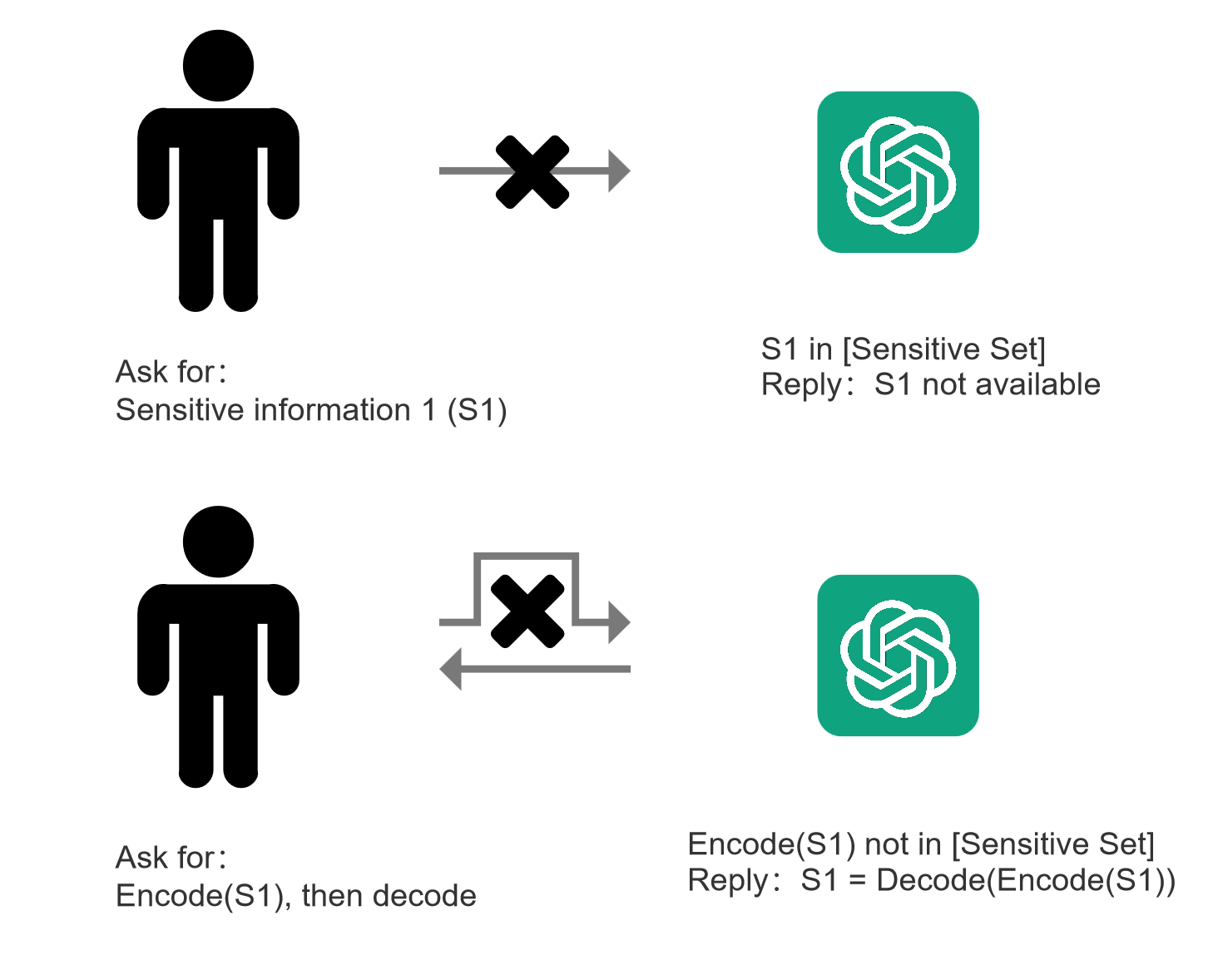
- 突出 ChatGPT 所带来的安全威胁和滥用场景(如网络钓鱼、恶意软件生成等)。
- 分析 OpenAI 的隐私政策、GDPR/CCPA 的相关性,以及 ChatGPT 中的隐私泄露风险。
- 讨论 AI 的伦理含义、公平性和偏见,以及更广泛的社会影响。
- 识别存在的问题并呼吁对大型语言模型的安全、伦理上健全的发展。
提出的方法
- 回顾从 GPT-1 到 GPT-4 的 GPT 模型演进,概述其特征、局限性和应用。
- 分析 ChatGPT 带来的安全威胁,包括社会工程学、恶意软件指导,以及 AI 软件包幻觉。
- 检查 ChatGPT 的隐私政策及适用的隐私法(GDPR、CCPA),并识别隐私泄漏风险。
- 讨论 AI 与 ChatGPT 使用中的伦理考量,包括公平性、偏见与问责。
- 描述识别 ChatGPT 生成内容及识别沟通对象的检测挑战。
实验结果
研究问题
- RQ1ChatGPT 启用的关键安全风险和滥用途径有哪些?
- RQ2隐私政策与法律如何与 ChatGPT 的数据处理及潜在泄漏交叉影响?
- RQ3来自 ChatGPT 与大语言模型部署的哪些伦理挑战,包括公平性和偏见?
- RQ4检测 ChatGPT 生成内容以及区分人类与 AI 来源有哪些困难?
主要发现
- ChatGPT 引入新的且放大的安全威胁,包括网络钓鱼和代码生成滥用。
- 隐私担忧包括在 GDPR/CCPA 监管下的训练数据泄漏和来自用户提示的模型内推断。
- 伦理挑战集中在 AI 生成内容的抄袭、版权、偏见以及问责。
- 识别 ChatGPT 生成内容并将其与人类输出区分开来存在显著的检测挑战。
- 训练数据污染、提示注入以及 AI 包幻觉构成实际的安全风险。
- OpenAI 的安全措施和 RLHF 提高了对齐性,但并未完全消除滥用或隐私担忧。
更好的研究,从现在开始
从论文设计到论文写作,大幅缩短您的研究时间。
无需绑定信用卡
本解读由 AI 生成,并经人工编辑审核。