
[论文解读] US Microelectronics Packaging Ecosystem: Challenges and Opportunities
分析以美国为基地的先进封装供应链,识别瓶颈、 offshore 依赖和安全考量,同时勾勒出实现本土化能力以实现安全、韧性的 HI 驱动半导体封装的路径。
The semiconductor industry is experiencing a significant shift from traditional methods of shrinking devices and reducing costs. Chip designers actively seek new technological solutions to enhance cost-effectiveness while incorporating more features into the silicon footprint. One promising approach is Heterogeneous Integration (HI), which involves advanced packaging techniques to integrate independently designed and manufactured components using the most suitable process technology. However, adopting HI introduces design and security challenges. To enable HI, research and development of advanced packaging is crucial. The existing research raises the possible security threats in the advanced packaging supply chain, as most of the Outsourced Semiconductor Assembly and Test (OSAT) facilities/vendors are offshore. To deal with the increasing demand for semiconductors and to ensure a secure semiconductor supply chain, there are sizable efforts from the United States (US) government to bring semiconductor fabrication facilities onshore. However, the US-based advanced packaging capabilities must also be ramped up to fully realize the vision of establishing a secure, efficient, resilient semiconductor supply chain. Our effort was motivated to identify the possible bottlenecks and weak links in the advanced packaging supply chain based in the US.
研究动机与目标
- 通过多样化的 chiplet 集成和更高的功能密度,推动 HI 成为维持摩尔定律的路径。
- 描述美国先进封装供应链及其离岸依赖。
- 识别美国 HI 就绪封装生态系统中的瓶颈和安全风险。
- 调研行业参与者及推动包装与材料本土化能力建设的举措。
- 提出一条确保美国本土先进封装供应链安全的路线图。
提出的方法
- 回顾 HI 基本原理与封装技术(2.5D/3D、SiP),以及它们在延展摩尔定律中的作用。
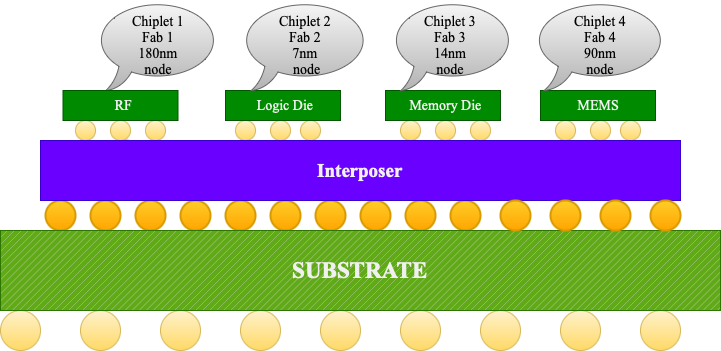
- 绘制美国先进封装生态系统的全景图,包括原始设备制造商(OEMs)、chiplet 设计商、OSATs、基板、材料、设备和 EDA/工具。
- 评估影响国内能力与离岸依赖的经济、政策与安全因素。
- 分析应用领域的需求(国防、5G、HPC、汽车、物联网、移动、医疗)以识别本土化需求。
- 整合成本土能力发展和安全供应链的路线图。
实验结果
研究问题
- RQ1美国本土先进封装制造的现状如何,存在哪些空白?
- RQ2在关键应用领域,美国 HI/先进封装生态系统对离岸资源的依赖程度如何?
- RQ3基于美国的先进封装供应链的安全性与可靠性考虑有哪些?
- RQ4为确保一个强健的本土 HI 能力封装生态系统,需要哪些行动和投资?
主要发现
- 美国先进封装产能有限,先进封装仅占约3%的市场份额,并在互连衬底(interposers)和材料方面高度依赖离岸。
- 需要在本土化扩展覆盖 OEMs、chiplet 集成商、OSATs、基板、材料、设备和 EDA 工具,以确保供应链安全。
- 国防/航天显示出较强的本土化能力准备(可信赖的供应商与本土化集成),与面向消费者的领域如 5G 和 HPC 相比。
- 美国互连衬底制造仍基本离岸(例如以台积电为主要供应商),尽管有一些本土化投资。
- 材料与基板供应链脆弱,美国在半导体材料约占10%的市场份额,对高端封装没有本土基板供应商。
- 路线图强调标准化、安全的设计实践、本土制造,以及韧性、可信赖的供应链。
更好的研究,从现在开始
从论文设计到论文写作,大幅缩短您的研究时间。
无需绑定信用卡
本解读由 AI 生成,并经人工编辑审核。