
[论文解读] Virgo Detector Characterization and Data Quality during the O3 run
本文全面表征了高级利沃戈引力波探测器在第三轮观测运行(O3)期间的性能及其数据质量,采用BRUco和MONET等先进工具识别并诊断相关噪声源。结果表明,基于相干性的技术能有效隔离仪器噪声,例如与悬挂控制系统相关的16.25 Hz调制,从而提升数据质量并增强引力波事件的探测能力。
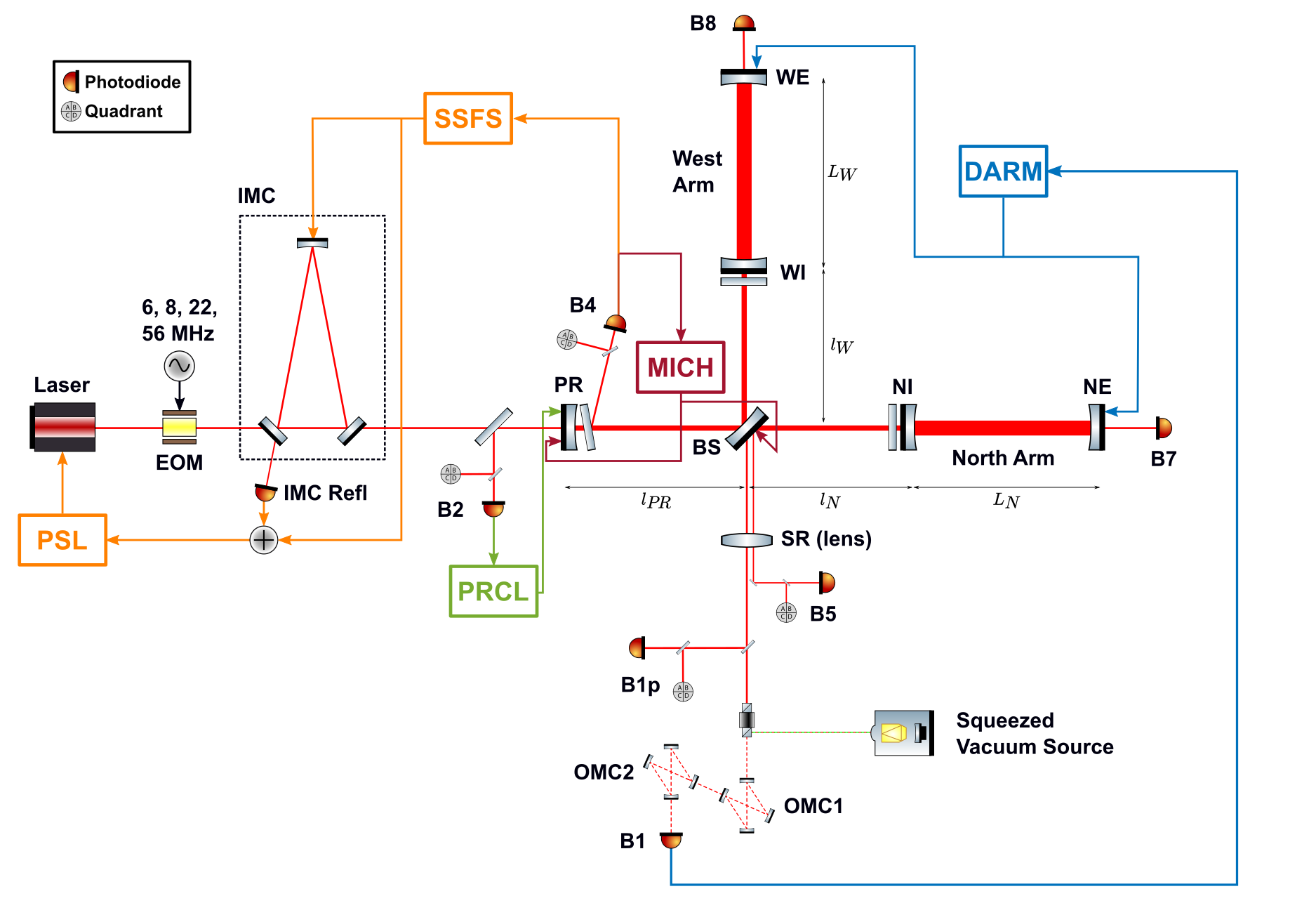
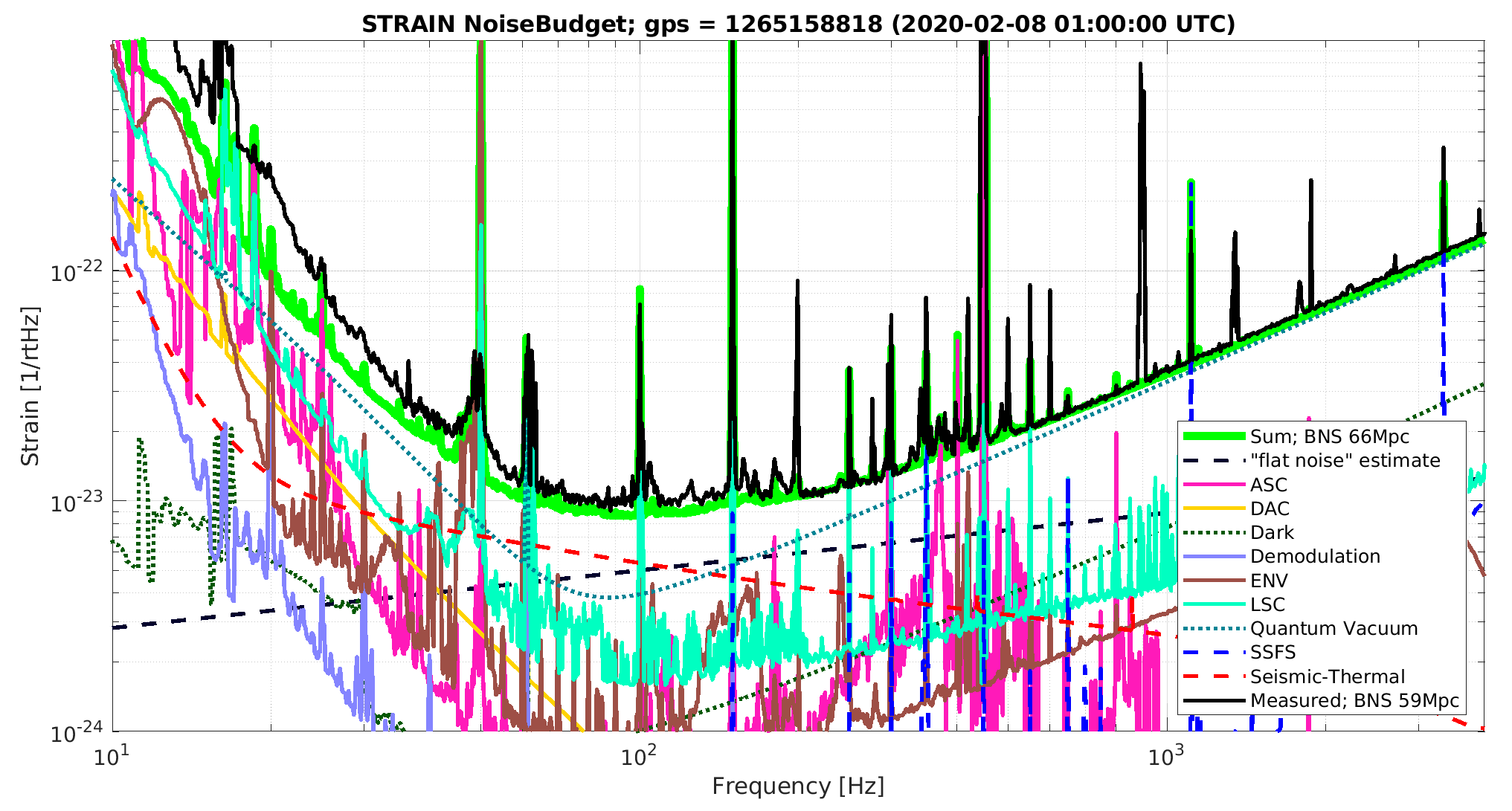
The Advanced Virgo detector has contributed with its data to the rapid growth of the number of detected gravitational-wave signals in the past few years, alongside the two LIGO instruments. First, during the last month of the Observation Run 2 (O2) in August 2017 (with, most notably, the compact binary mergers GW170814 and GW170817) and then during the full Observation Run 3 (O3): an 11 months data taking period, between April 2019 and March 2020, that led to the addition of about 80 events to the catalog of transient gravitational-wave sources maintained by LIGO, Virgo and KAGRA. These discoveries and the manifold exploitation of the detected waveforms require an accurate characterization of the quality of the data, such as continuous study and monitoring of the detector noise. These activities, collectively named {\em detector characterization} or {\em DetChar}, span the whole workflow of the Virgo data, from the instrument front-end to the final analysis. They are described in details in the following article, with a focus on the associated tools, the results achieved by the Virgo DetChar group during the O3 run and the main prospects for future data-taking periods with an improved detector.
研究动机与目标
- 评估高级利沃戈探测器在O3引力波观测运行期间的性能与数据质量。
- 通过相干性分析识别并表征影响探测器灵敏度的相关噪声源。
- 验证并部署BRUco和MONET等工具,用于实时与事后噪声诊断。
- 通过将仪器伪影与天体物理信号分离,提升引力波事件探测的可靠性。
- 通过提供详细的O3数据质量报告和诊断工具,支持LIGO-Virgo-KAGRA合作。
提出的方法
- 使用BRUco工具计算DARM通道与各辅助通道在频率段内的幅度平方相干性。
- 采用1200秒的数据段长度,并将输出频率重采样至1 kHz以进行相干性分析。
- 在相干性计算中,对调制的辅助通道设置5 Hz低通滤波器截止频率。
- 使用MONET计算DARM通道与调制辅助信号之间的相干性,采用载波信号和经低通滤波的调制器。
- 为每次分析生成分层输出目录,每个调制器通道设有子目录,并包含相应的相干性表格与图表。
- 将BRUco与MONET的结果整合为每日投影图与可视化结果,以识别持续存在的噪声线。
实验结果
研究问题
- RQ1在O3期间,哪些仪器噪声源与DARM通道表现出显著的相干性?
- RQ2BRUco与MONET在识别和隔离先进激光干涉仪探测器中的相关噪声方面效果如何?
- RQ3哪些辅助通道在特定频率线(如16.25 Hz)处对相干噪声贡献最大?
- RQ4基于相干性的诊断方法能否检测到降低引力波探测灵敏度的瞬态或持续噪声线?
- RQ5相干性阈值(例如0.3或0.5)与已知的仪器执行器或控制系统行为之间是否存在相关性?
主要发现
- BRUco在155–170 Hz频段检测到高相干信号,促使进一步调查其仪器来源。
- MONET在16.25 Hz处检测到DARM通道与西向输入镜悬挂系统纵向校正信号之间的相干性超过0.3。
- 16.25 Hz的相干性与镜面悬挂控制相关,表明存在局部噪声源。
- 在16.25 Hz和16.375 Hz处观察到相干性值超过0.5,表明悬挂控制与DARM之间存在强耦合。
- MONET分析显示,用于控制镜面角向对准的ASC_Diffp_TY和ASC_Diffp_TX通道在350 Hz处显著贡献了噪声。
- BRUco与MONET的联合使用实现了噪声线的系统性识别,结果通过每日相干性投影图与功率谱密度图进行可视化。
更好的研究,从现在开始
从阅读论文到最终审阅,大幅缩短您的研究时间。
无需绑定信用卡
本解读由 AI 生成,并经人工编辑审核。