
[论文解读] How Knowledge Workers Think Generative AI Will (Not) Transform Their Industries
定性研究七大知识行业,知识工作者普遍将生成式AI视为节省低端、例行任务人力投入的工具,需人工审阅,并强调降技能、去人性化、脱节和错误信息等社会性力量。
Generative AI is expected to have transformative effects in multiple knowledge industries. To better understand how knowledge workers expect generative AI may affect their industries in the future, we conducted participatory research workshops for seven different industries, with a total of 54 participants across three US cities. We describe participants' expectations of generative AI's impact, including a dominant narrative that cut across the groups' discourse: participants largely envision generative AI as a tool to perform menial work, under human review. Participants do not generally anticipate the disruptive changes to knowledge industries currently projected in common media and academic narratives. Participants do however envision generative AI may amplify four social forces currently shaping their industries: deskilling, dehumanization, disconnection, and disinformation. We describe these forces, and then we provide additional detail regarding attitudes in specific knowledge industries. We conclude with a discussion of implications and research challenges for the HCI community.
研究动机与目标
- 探索知识工作者对生成式AI在未来如何影响其行业的期望。
- 识别关于AI驱动工作变革的常见叙事与行业特定视角。
- 考察伴随AI部署而来的社会力量——降技能、去人性化、脱节、错误信息——及其对看法的影响。
- 探讨人机交互(HCI)社群在此领域的含义与研究挑战。
提出的方法
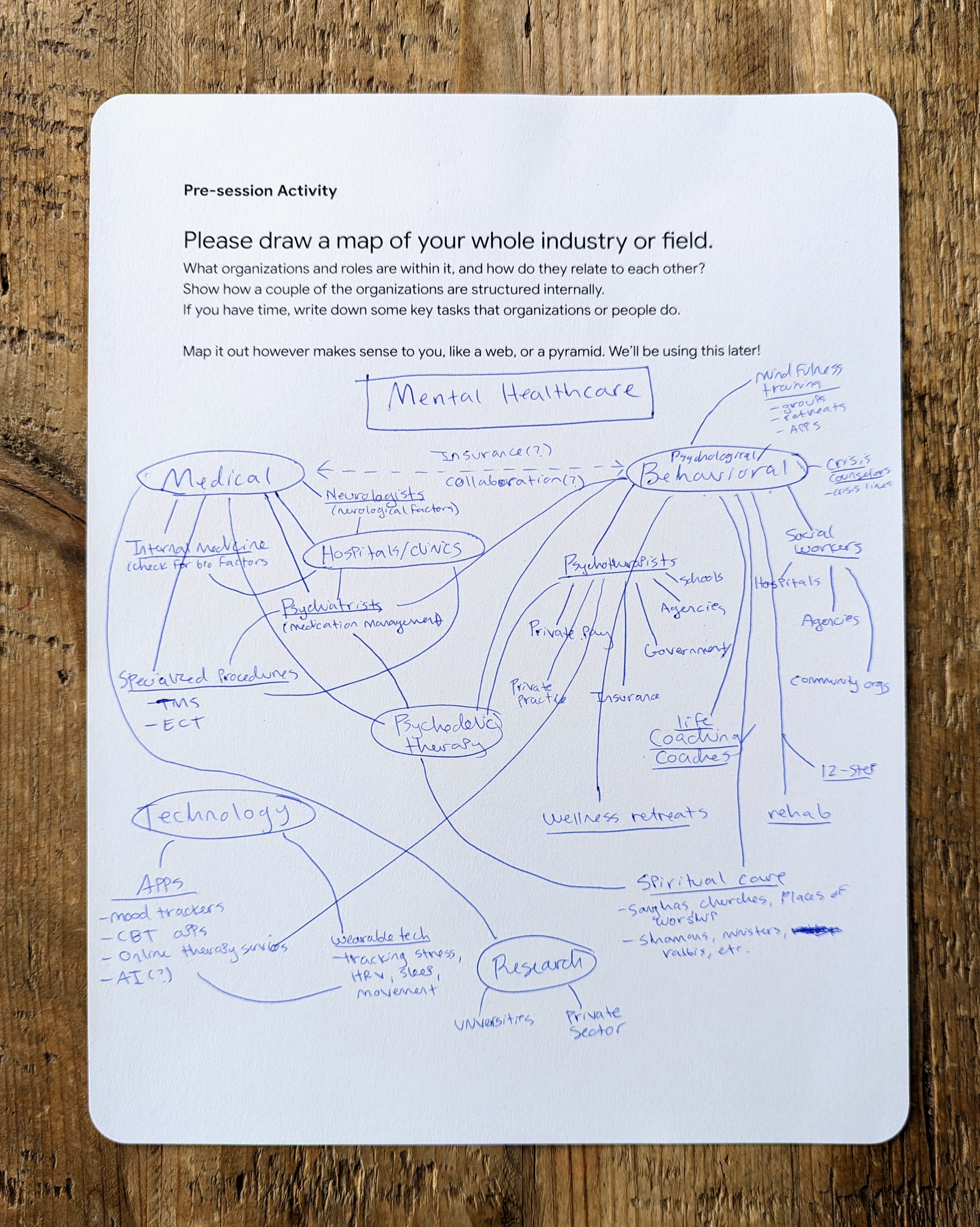
- 以三小时的参与性研究工作坊为核心,涉及七个知识行业的54名参与者(广告、商业传播、教育、新闻、法律、心理健康、软件开发)。
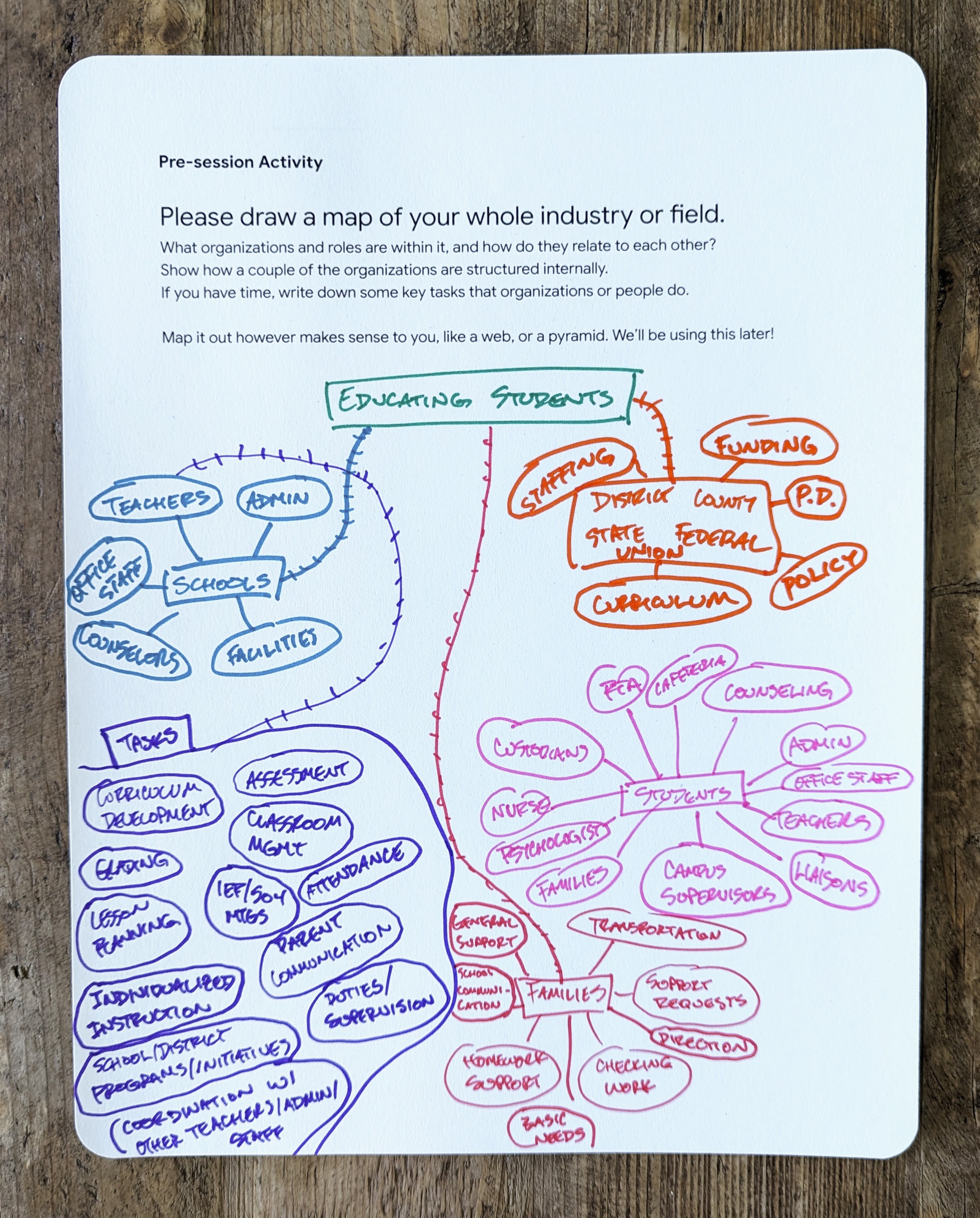
- 使用行业地图、变革卡片与政策挑衅来揭示用例、担忧与治理想法。
- 对转录的会话与工件(行业地图、变革卡、政策)进行反身性主题分析以识别主题。
实验结果
研究问题
- RQ1知识工作者对生成式AI在未来如何影响其行业与任务有何期望?
- RQ2关于AI驱动工作存在哪些主导叙事与行业特定视角?
- RQ3AI部署在知识工作中伴随哪些社会力量,它们可能如何影响结果?
- RQ4员工认为哪些治理结构或监督机制适合用于AI使用?
主要发现
- 参与者总体将生成式AI视为节省低端、日常任务的人力投入的工具,仍需人工审阅。
- 对跨行业的广泛、具颠覆性变革预期有限,与耸人听闻的叙事形成对比。
- 出现一个跨行业的主导叙事:AI处理乏味的输出,而人类提供监督与决策,从而避免完全自动化。
- 四大社会力量——降技能、去人性化、脱节与错误信息——预计在知识工作中的AI部署中伴随出现。
- 行业特定的细微差异显现,存在对准确性、品牌/版权约束以及需要对AI生成作品进行专业验证的担忧。
- 行业内现有的治理与审查实践被认为可调整以包含AI监督,而不是取代专业判断。
更好的研究,从现在开始
从论文设计到论文写作,大幅缩短您的研究时间。
无需绑定信用卡
本解读由 AI 生成,并经人工编辑审核。