
[论文解读] Incentive Contracts and Peer Effects in the Workplace
本文研究了在存在同伴效应的团队中,最优线性激励合同的设计,通过网络结构建模生产率外部性。研究发现,最优激励集中于网络中心性更高的工人——具体而言,是与其他工人在路径长度上最近的个体——在风险与激励之间取得平衡,且企业利润与网络的谱特性直接相关。
We analyze how firms should design wage contracts when workers collaborate in teams and effort costs depend on colleagues through a peer network. Performance-based compensation generates incentives that cascade through the organization, which firms target to boost profits. We analyze optimal incentive design if firms can -- and can't -- fully discriminate across workers, and when the production technology is separable or complementary across divisions. When workers' effort is substitutable, the most central workers -- those who influence most colleagues directly and indirectly -- receive the steepest incentives only when output risk is sufficiently large; otherwise firms prioritize workers that are closer to those they influence. We derive a sufficient network statistic that measures the surplus loss when firms must compensate workers of varying centrality equally. Finally, when production technology exhibits complementarity across teams, stronger incentives are assigned to workers who influence colleagues in small teams that receive little influence from others. We apply our findings to organizational design questions, such as optimal firm structure and workforce investments.
研究动机与目标
- 分析风险规避的团队成员在网络化团队中如何影响最优线性工资合同的设计。
- 确定网络结构——特别是同伴效应外部性——如何影响团队生产中的激励与保险分配。
- 推导出当企业能够个性化工资时与当其受制于按组提供粗略合同的约束时的最优合同。
- 将企业利润与底层网络的谱特性联系起来,揭示网络结构如何塑造组织效率。
- 研究模块化生产结构如何影响同伴网络中激励的分配。
提出的方法
- 建模团队生产,其中联合产出由个体努力生成,每个工人的产出通过加权网络经由生产率外部性被放大。
- 在道德风险下制定委托人的利润最大化问题,纳入风险规避与内生努力决策。
- 使用矩阵代数求解涉及网络邻接矩阵 Λ、努力成本 V 和风险暴露 σ² 的约束优化问题,推导出最优线性合同向量 α*。
- 定义一个“工资-风险缺口”以捕捉激励与保险之间的权衡,通过路径长度聚合将最优合同与网络中心性联系起来。
- 应用基于投影矩阵 T 的分组约束合同模型,以表示按工人类型划分的粗略合同,通过最小二乘投影求解组级激励。
- 以网络的谱半径和特征向量表达企业利润,实现对组织设计的结构性分析。
实验结果
研究问题
- RQ1当工人风险规避且生产率受同伴效应影响时,风险中性的委托人应如何设计线性激励合同?
- RQ2在有网络结构的团队中,哪些工人应获得更强的激励,这种分配如何由网络结构决定?
- RQ3委托人个性化合同的能力如何影响企业利润以及更紧密连接的工人对租金的提取?
- RQ4网络谱特性在决定最优合同设计与组织效率方面发挥什么作用?
- RQ5模块化生产结构与组级合同约束如何改变同伴网络中激励的分配?
主要发现
- 最优激励集中于在平均路径长度上最接近其他人的工人,而非度数最高或特征向量中心性最高的个体。
- 最优合同结构体现为一种“工资-风险缺口”,在激励强度与风险暴露之间实现平衡,最优 α* 由涉及网络邻接矩阵与成本矩阵的矩阵方程推导得出。
- 企业利润与网络邻接矩阵的谱半径直接相关,意味着更紧密或更集中的网络能带来更高的预期利润。
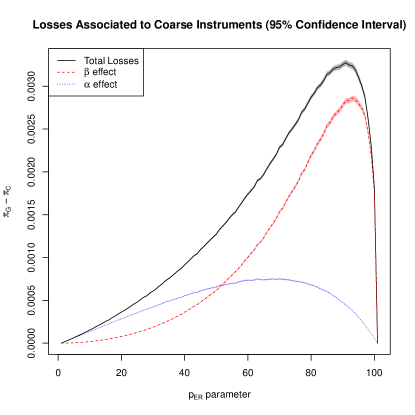
- 当合同被粗略化(例如按职位类别)时,组内中心性差异较大的工人将导致企业利润下降,因租金提取效率降低。
- 在粗略合同设定下,组级激励通过个体最优合同的投影获得,固定支付经调整以确保个体理性。
- 每位工人的最优固定支付 β_i 取决于其诱导的努力水平、风险暴露以及网络的外部性结构,文中提供了向量与矩阵形式的显式公式。
更好的研究,从现在开始
从阅读论文到最终审阅,大幅缩短您的研究时间。
无需绑定信用卡
本解读由 AI 生成,并经人工编辑审核。