
[论文解读] NFT Bubbles
本文利用区块链追踪的NFT交易数据,研究了在投机泡沫期间零售投资者的行为,发现个体层面的特征——尤其是投资者的成熟度——显著预测了泡沫的形成与破裂。研究证明,成熟投资者表现优于其他投资者,其存在可降低崩盘风险,而洗盘交易和低流动性则会增加该风险,为知情零售投资者在市场稳定中的作用提供了有力证据。
By investigating nonfungible tokens (NFTs), we provide the first systematic study of retail investor behavior through asset bubbles. Given that NFTs are recorded in public blockchains, we are able to track investor behavior over time, leading to the identification of numerous price run-ups and crashes. Our study reveals that agent-level variables, such as investor sophistication, heterogeneity, and wash trading, in addition to aggregate variables, such as volatility, price acceleration, and turnover, significantly predict bubble formation and price crashes. We find that sophisticated investors consistently outperform others and exhibit characteristics consistent with superior information and skills, supporting the narrative surrounding asset pricing bubbles.
研究动机与目标
- 研究个体零售投资者行为如何影响NFT市场中资产价格泡沫的形成与破裂。
- 确定个体层面的变量(如投资者成熟度、洗盘交易)是否比整体市场变量更有效地预测泡沫动态。
- 评估将个体投资者行为纳入泡沫预测模型的经济价值。
- 检验成熟投资者的存在是否能缓解崩盘风险并提升上涨后的回报。
提出的方法
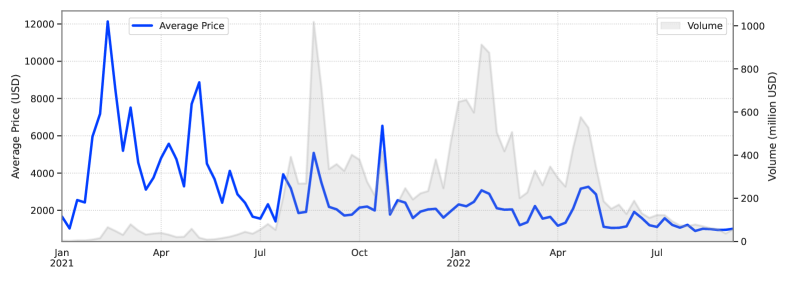
- 本研究构建了一个代表性数据集,涵盖2021年1月至2022年9月期间OpenSea上交易最活跃的1,000个NFT系列,包含1,500万笔交易和超过180亿美元的交易额。
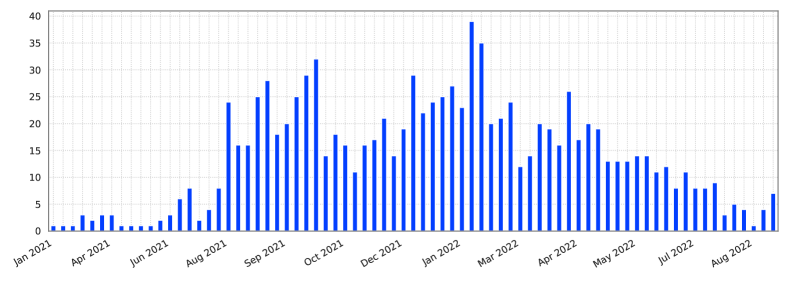
- 采用源自Greenwood等人(2019)的高频方法识别价格上涨和崩盘事件,检测到约1,000次上涨,其中一半导致崩盘。
- 作者估计了结合市场层面变量(波动率、价格加速度、换手率)与个体层面变量(投资者成熟度、洗盘交易、异质性)的回归模型,以预测崩盘可能性。
- 通过基于2021年数据训练的模型预测2022年数据,实施了样本外交易策略,投资组合回报基于平均每小时价格计算。
- 通过排除洗盘交易并重新估计模型,对稳健性进行检验,确认洗盘交易仅引入极少噪声,且未扭曲主要结果。
- 通过基于预测崩盘概率的多头/空头投资组合的累计回报,评估预测的经济价值,比较包含与不包含个体层面预测因子的模型。
实验结果
研究问题
- RQ1个体层面的投资者特征(如成熟度、洗盘交易)是否能够预测NFT价格泡沫的形成与破裂?
- RQ2在泡沫上涨和崩盘期间,成熟投资者相对于其他投资者的超额表现程度如何?
- RQ3成熟投资者的存在是否能降低崩盘的可能性并改善上涨后的回报?
- RQ4与仅使用市场层面变量相比,纳入个体层面变量在多大程度上提升了泡沫模型的预测能力?
主要发现
- 高波动率、价格加速度和低换手率是NFT价格崩盘的强预测指标,其中波动率和加速度增加崩盘可能性,而换手率则降低该可能性。
- 成熟投资者持续优于其他投资者,表现出更优的信息获取能力和技能水平,支持了知情零售投资者参与泡沫的叙事。
- 在上涨期间成熟投资者占比越高,崩盘风险越显著降低,事后正向回报越高;而投资者数量少和洗盘交易则增加崩盘风险和市场不流动性。
- 基于个体层面变量的样本外交易策略产生显著的经济收益:在预测非崩盘事件中获得50 ETH,在预测崩盘事件中获得164 ETH,而仅使用市场层面变量时分别为19 ETH和133 ETH。
- 稳健性检验确认,洗盘交易仅向数据集引入极少噪声,且未扭曲主要发现。
- 将个体层面变量整合进预测模型,显著提升了崩盘预测的经济价值,证明了其在风险管理与交易策略中的实际应用意义。
更好的研究,从现在开始
从阅读论文到最终审阅,大幅缩短您的研究时间。
无需绑定信用卡
本解读由 AI 生成,并经人工编辑审核。