
[논문 리뷰] Effect of religious rules on time of conception in Romania from 1905 to 2001
이 연구는 1905년에서 2001년 사이에 루마니아에서 종교적 금식 기간—특히 사순절과 성탄 금식기—이 임신 시기의 변화에 어떤 영향을 미쳤는지 분석한다. 97년간의 매일 출생 기록 데이터셋(2,490만 건의 출생 기록)을 사용하여, 종교적 소속, 금식 기간, 농촌 거주 여부, 일조량, 주말 여부, 추세 등을 포함한 경제계량 모델을 적용한 결과, 사순절 금식이 성탄 금식보다 더 강한 부정적 영향을 미치며, 특히 동방 정교회 신자 농촌 인구에서 두드러지게 나타나, 계절적 영향을 초월해 종교가 비균일한 임신 패턴을 이끄는 핵심 요인임을 시사한다.
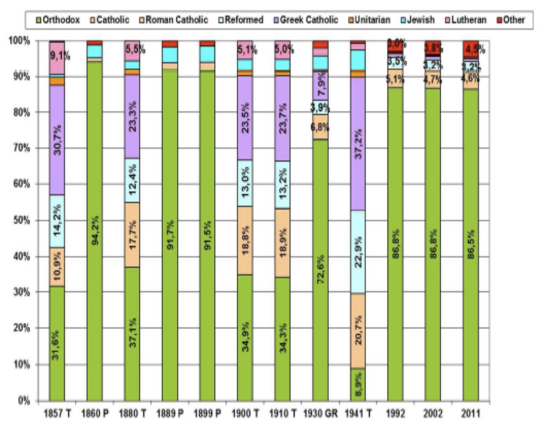
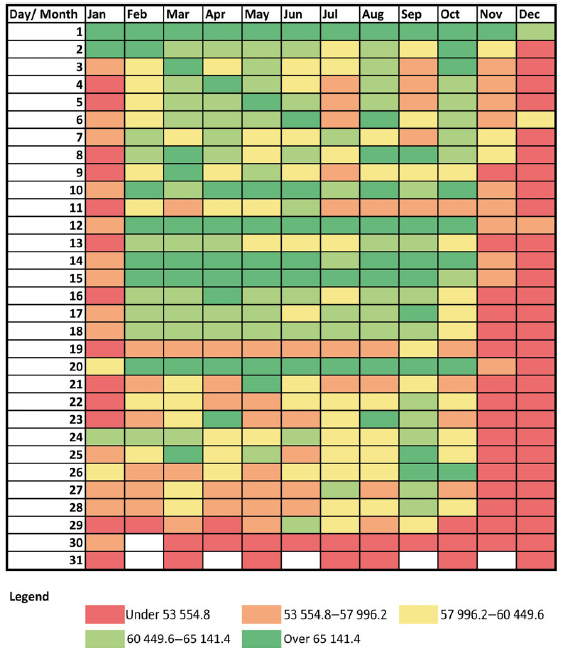
Population growth (or decay) in a country can be due to various f socio-economic constraints, as demonstrated in this paper. For example, sexual intercourse is banned in various religions, during Nativity and Lent fasting periods. Data consisting of registered daily birth records for very long (35,429 points) time series and many (24,947,061) babies in Romania between 1905 and 2001 (97 years) is analyzed. The data was obtained from the 1992 and 2002 censuses, thus on persons alive at that time. We grouped the population into two categories (Eastern Orthodox and Non-Orthodox) in order to distinguish religious constraints and performed extensive data analysis in a comparative manner for both groups. From such a long time series data analysis, it seems that the Lent fast has a more drastic effect than the Nativity fast over baby conception within the Eastern Orthodox population, thereby differently increasing the population ratio. Thereafter, we developed and tested econometric models where the dependent variable is the baby conception deduced day, while the independent variables are: (i) religious affiliation; (ii) Nativity and Lent fast time intervals; (iii) rurality; (iv) day length; (v) weekend, and (vi) a trend background. Our findings are concordant with other papers, proving differences between religious groups on conception, - although reaching different conclusions regarding the influence of weather on fertility. The approach seems a useful hint for developing econometric-like models in other sociophysics prone cases.
연구 동기 및 목표
- 20세기 동안 루마니아에서 종교적 금식 기간—사순절과 성탄 금식기—이 임신의 계절성에 미치는 영향을 분석하기 위해.
- 특히 금식 기간 동안 성관계 금지가 임신 패턴에 유의미하게 영향을 미치는지 검증하기 위해.
- 종교적 영향을 다른 사회경제적 및 환경적 요인과 분리하여 동방 정교회(EOx)와 비정교회(NOx) 인구 간의 임신 추세를 비교하기 위해.
- 종교적 소속, 금식 기간, 농촌 거주 여부, 일조량, 주말 여부, 장기 추세를 포함한 경제계량 모델을 개발하고 검증하여, 이들이 임신 시기 조절에 미치는 영향을 정량화하기 위해.
제안 방법
- 1992년과 2002년 루마니아 인구 조사 자료에서 데이터를 추출하여, 1905년에서 2001년 사이에 총 24,947,061건의 출생 기록과 35,429개의 일일 시간 포인트를 확보함.
- 종교적 영향을 분리하기 위해 인구를 동방 정교회(EOx)와 비정교회(NOx)로 이분화함.
- 임신 일자를 종속 변수로 하여, 종교적 소속, 사순절 및 성탄 금식 기간, 농촌 거주 여부, 일조량, 주말 지표, 장기 추세 등을 독립 변수로 포함한 경제계량 모델을 구축함.
- 다중공선성 문제를 해결하기 위해 온도 및 가정일과 같은 상관관계가 높은 변수는 제거하고, 일조량을 광주기의 대체 지표로 유지함.
- 모델 성능 평가에는 결정계수(R-squared)와 t-검정을 사용하였으며, 표준화된 계수를 활용해 예측 변수의 상대적 영향력을 비교함.
- 정치적 사건(체아우셰스쿠의 시행령)과 관련된 패턴 변화를 탐지하기 위해 분석을 하위 기간(예: 1948–1966)으로 분할함.
실험 결과
연구 질문
- RQ1동방 정교회 전통에서 사순절과 성탄 금식 기간 동안 성관계 금지가 루마니아의 임신 시기 조절에 유의미하게 영향을 미치는가?
- RQ2사순절 금식과 성탄 금식의 지속 기간과 강도를 비교할 때, 임신율에 미치는 영향은 어떻게 다른가?
- RQ3농촌 거주가 도시 지역 대비 종교적 금식이 임신 패턴에 미치는 영향을 얼마나 강화하는가?
- RQ4특정 금식 기간이 없는 비기독교도 인구는 기독교도 인구와 비교해 임신의 계절성에서 어떻게 다를까?
- RQ5광주기(일조량), 주말, 기타 사회문화적 요소가 종교적 규칙과 무관하게 임신 계절성에 기여하는 비율은 어느 정도인가?
주요 결과
- 사순절 금식은 성탄 금식보다 특히 농촌 동방 정교회 인구에서 더 강력한 부정적 영향을 미치며, 임신율 감소에 기여한다.
- 표준화된 계수에서 사순절 금식 효과의 절대값이 모든 예측 변수 중 가장 크며, 이는 임신 계절성 조절에 있어 사순절 금식이 지배적인 역할을 한다는 것을 시사한다.
- 농촌 거주 여부(rEOx)는 계절적 임신 패턴과 강하게 정의된 양의 상관관계를 보이며, 농촌 생활 방식이 종교적 및 환경적 주기 변화에 더 민감함을 시사한다.
- 1966년 이전까지는 주말이 동방 정교회(EOx)와 비정교회(NOx) 인구 모두에서 임신에 긍정적 영향을 미쳤지만, 이후에는 부정적인 영향을 미치며, 사회정치적 변화와 관련이 있을 수 있음.
- 조명된 월면 비율은 통계적으로 유의미하지 않아, 월주기의 영향은 임신 시기 조절의 주요 원인으로 배제됨.
- 비기독교도 인구에 대한 경제계량 모델은 전반적으로 약한 성능을 보이며, 종교적 금식이 임신 패턴 차이를 이끄는 핵심 요소임을 확인함.
더 나은 연구,지금 바로 시작하세요
논문 읽기부터 검토까지, 연구 시간을 획기적으로 줄여보세요.
카드 등록 없음 · 무료 플랜 제공
이 리뷰는 AI가 만들고, 인간 에디터가 검토했습니다.