
[논문 리뷰] Evaluation of ChatGPT Model for Vulnerability Detection
본 논문은 Java 코드 취약점 탐지에 대해 ChatGPT와 GPT-3를 실증적으로 평가하고, 실제 CWE 중심 데이터셋에서 이들이 이진 또는 다중 라벨 분류에서 더미 기준선을 능가하지 못함을 밝혀냈다.
In this technical report, we evaluated the performance of the ChatGPT and GPT-3 models for the task of vulnerability detection in code. Our evaluation was conducted on our real-world dataset, using binary and multi-label classification tasks on CWE vulnerabilities. We decided to evaluate the model because it has shown good performance on other code-based tasks, such as solving programming challenges and understanding code at a high level. However, we found that the ChatGPT model performed no better than a dummy classifier for both binary and multi-label classification tasks for code vulnerability detection.
연구 동기 및 목표
- 대형 언어 모델(ChatGPT 및 GPT-3)이 Java 코드에서 취약점을 탐지할 수 있는지 평가한다.
- CWE 유형에 초점을 맞춘 취약한 Java 함수와 패치된 함수를 실세계 데이터세트로 생성한다.
- 베이스라인과의 성능 비교 및 프롬프트와 프롬프트 변형을 분석한다.
제안 방법
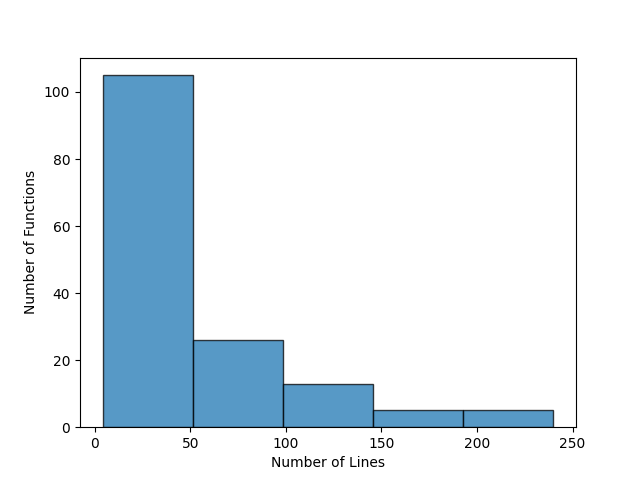
- 알려진 취약점 및 패치를 포함하는 오픈 GitHub 저장소의 Java 함수 데이터셋을 구성한다.
- 이진(binary: 취약함 vs. 패치됨) 및 다중 라벨(top CWE 유형) 분류에 대한 하위 집합을 준비한다.
- OpenAI API를 통해 Yes/No 취약성 평가 및 CWE 유형 레이블을 이끌어내도록 설계된 프롬프트로 GPT-3 및 ChatGPT에 질의한다.
- 이진 분류에 대해 정확도, 정밀도, 재현율, F1, AUC를 사용해 평가하고, 다중 라벨 작업에는 각 CWE 유형별 메트릭스를 추가로 사용한다.
- 베이스라인 더미 분류기와 비교하고 프롬프트 변형 및 온도 설정(0으로 설정) 분석한다.
실험 결과
연구 질문
- RQ1ChatGPT와 GPT-3가 Java 코드의 취약점을 신뢰할 수 있게 탐지할 수 있는가?
- RQ2이 모델들이 이진 취약점 탐지에서 베이스라인 더미 분류기보다 성능이 우수한가?
- RQ3상위 다수 취약점에 대한 CWE 유형 다중 라벨 분류에서 모델의 성능은 어떠한가?
- RQ4프롬프트 설계가 취약점 탐지 성능에 미치는 영향은 무엇인가?
- RQ5사고의 흐름(Chain-of-Thought) 프롬핑이나 더 큰 모델이 이 작업의 결과를 개선하는가?
주요 결과
- Binary classification results show limited performance; text-davinci-003 achieves precision 0.50, recall 0.99, F1 0.67, AUC 0.51; gpt-3.5-turbo achieves precision 0.51, recall 0.80, F1 0.62, AUC 0.51; baseline remains at 0.50 across metrics.
- Overall multi-label classification on the top five CWE types yields around 38% accuracy for GPT-3 / ChatGPT variants, with macro and weighted averages typically below 0.3 for many CWE types.
- The negative (non-vulnerable) class dominates the samples, and models tend to over-predict positives, inflating false positives.
- When excluding negative examples, accuracy decreases, indicating the models struggle to correctly identify vulnerable functions without the context of non-vulnerable ones.
- Prompts exploring multiple phrasings do not yield substantial performance gains, suggesting prompt variation did not meaningfully improve results.
- An anomaly observed: ChatGPT predicted vulnerability types more accurately for fixed functions, suggesting dataset or training biases may influence labeling.
더 나은 연구,지금 바로 시작하세요
논문 읽기부터 검토까지, 연구 시간을 획기적으로 줄여보세요.
카드 등록 없음 · 무료 플랜 제공
이 리뷰는 AI가 만들고, 인간 에디터가 검토했습니다.