
[논문 리뷰] Idiosyncratic Risk, Government Debt and Inflation
이 논문은 공공 채무가 households가 idiosyncratic risk를 보험하는 경우 inflation-neutral rate를 상승시킬 수 있으며, 활성 Taylor-rule 금융정책 하에서 inflation을 유발한다는 것을 보여준다; 결과는 asset-market 구조에 의존하며 2-asset HANK 모델로 정량화된다.
How does public debt matter for price stability? If it is useful for the private sector to insure idiosyncratic risk, even transitory government debt expansions can exert upward pressure on interest rates and create inflation. As I demonstrate using an analytically tractable model, this holds in the presence of an active Taylor rule and does not require the absence of future fiscal consolidation. Further analysis using a quantitative 2-asset HANK model reveals the magnitude of the mechanism to crucially depend on the structure of the asset market: under common assumptions, the interest rate effects of public debt are either overly strong or overly weak. After disciplining this aspect based on evidence regarding its long-term relationship with treasury returns, my framework indicates relevant short-run effects of public debt on inflation under active monetary policy: In particular, in the HANK model the mechanism can account for US inflation remaining elevated in 2023 and afterwards.
연구 동기 및 목표
- 민간 부문이 idiosyncratic risk에 대한 보험으로 부채를 사용할 때 정부 부채가 물가 안정성(price stability)에 어떤 영향을 미치는지 설명한다.
- deb t가 neutral rate를 상승시키고 Taylor-rule 하에서 물가를 유발할 수 있음을, 심지어 funded debt인 경우에도 보여준다.
- asset market 구조(liquid vs illiquid, 두 자산 프레임워크)가 이 메커니즘에 어떤 영향을 미치는지 분석한다.
- 통화 정책이 debt의 neutral-rate 효과를 보완할 수 있는지, disinflation dynamics를 포함하여 평가한다.
- HANK 설정에서 정량적 관련성을 가늠하기 위한 보정(calibration) 및 강건성 체크를 제공한다.
제안 방법
- idiosyncratic income risk를 가진 tractable New Keynesian 모델에서 analytical results를 도출하고 Taylor-rule 통화정책을 사용한다.
- liquid와 illiquid 자산 및 liquid asset fund를 포함하는 two-asset HANK 모델을 도입하여 asset-market 구조가 정책 전달에 어떤 영향을 미치는지 연구한다.
- 미시적 모멘트(소득/부의 분포, 그럴듯한 MPC)와 부채 확장 하의 inflation dynamics를 맞추기 위한 보정/calibration을 수행한다.
- 부채-물가 채널을 고립시키기 위해 다양항 재정 규칙 및 다른 통화정책 규칙을 분석한다.
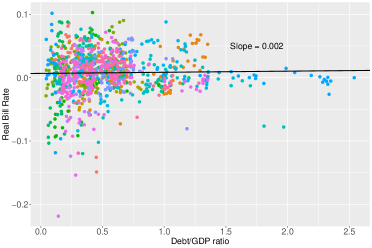
- 실증적 고려사항을 논의하고 부채-물가 증거 및 서로 다른 유동성의 자산 간 스프레드와의 관련성을 제시한다.
실험 결과
연구 질문
- RQ1정부 부채 확장이 private agents가 idiosyncratic risk를 보험할 때 inflation path에 영향을 주는가?
- RQ2asset market 구조(liquid vs illiquid 자산)가 부채의 실질 금리 및 inflation 전달에 어떤 차이를 가져오는가?
- RQ3중앙은행이 Taylor rule을 조정하거나 neutral-rate 효과를 고려하여 부채의 inflationary 압력을 상쇄할 수 있는가?
- RQ4idiosyncratic risk의 존재하에서 calibrate된 HANK 프레임워크에서 debt-inflation 메커니즘의 정량적 규모는 어느 정도인가?
- RQ5funded debt와 같은 다른 재정 규칙이 이러한 모델의 inflation dynamics를 질적으로 다르게 바꿔 놓는가?
주요 결과
- idiosyncratic risk를 가진 analytical NK 모델에서 더 높은 공공 부채는 natural rate of interest를 상승시키며, Taylor rule 하에서 물가를 시사하지만 정책 반응이 조정되면 달라진다.
- 2-asset HANK 모델에서 debt-inflation 메커니즘의 규모는 asset-market 구조에 결정적으로 의존하며, 표준 구성은 효과를 과대/과소 추정할 수 있다.
- 자본이 유동성 수요를 불완전하게 충족하도록 허용하는 간결한 asset-market 프레임워크가 부채 확장과 연결된 물가 역동성과의 일치를 돕는다.
- 지속적으로 높은 부채는 neutral rate에 미치는 효과를 중앙은행이 명시적으로 반영하지 않으면 disinflation의 마지막 단계를 방해할 수 있다.
- 이 프레임워크는 중앙은행이 debt로 인한 neutral-rate 압력을 내부화하면 더 빠른 disinflation을 더 낮은 비용으로 달성할 수 있음을 시사한다.
더 나은 연구,지금 바로 시작하세요
논문 읽기부터 검토까지, 연구 시간을 획기적으로 줄여보세요.
카드 등록 없음 · 무료 플랜 제공
이 리뷰는 AI가 만들고, 인간 에디터가 검토했습니다.