
[논문 리뷰] Microlensing of strongly lensed quasars
이 리뷰는 은하의 밀도가 높은 물체에 의한 중력 렌즈 효과를 이용해 10−6 초각 이하의 해상도로 활성은하핵의 내부 구조를 맵핑하는 기법인 활성은하핵 미세렌즈 효과의 이론적 기초, 현재의 방법론 및 핵심 과학적 통찰을 종합한다. 이 기법은 원반형 에너지 방출 영역과 넓은 선 영역의 크기, 질량 함수, 우주론적 파rameter를 탐색하는 데 진전을 이루었으며, 체계적 편향 문제와 향후 제네레이션의 설문조사 및 머신러닝의 잠재력에 대해 제기한다.
Strong gravitational lensing of quasars has the potential to unlock the poorly understood physics of these fascinating objects, as well as serve as a probe of the lensing mass distribution and of cosmological parameters. In particular, gravitational microlensing by compact bodies in the lensing galaxy can enable mapping of quasar structure to $\lt 10^{-6}$ arcsec scales. Some of this potential has been realized over the past few decades, however the upcoming era of large sky surveys promises to bring this to full fruition. Here we review the theoretical framework of this field, describe the prominent current methods for parameter inference from quasar microlensing data across different observing modalities, and discuss the constraints so far derived on the geometry and physics of quasar inner structure. We also review the application of strong lensing and microlensing to constraining the granularity of the lens potential, i.e. the contribution of the baryonic and dark matter components, and the local mass distribution in the lens, i.e. the stellar mass function. Finally, we discuss the future of the field, including the new possibilities that will be opened by the next generation of large surveys and by new analysis methods now being developed.
연구 동기 및 목표
- 10−6 초각 이하의 해상도로 활성은하핵 내부 구조를 탐색하기 위한 활성은하핵 미세렌즈의 이론적 및 관측적 상태를 종합하기 위해.
- 다양한 관측 방식에서의 미세렌즈 광도 변화 곡선으로부터의 모수 추론 기법을 검토하기 위해.
- 미세렌즈를 통해 유도된 활성은하핵 원반형 에너지 방출 영역 및 넓은 선 영역의 기하학적 및 물리적 특성에 대한 제약 조건을 평가하기 위해.
- 미세렌즈가 렌즈의 잠재력의 균열성 및 국소 질량 분포(예: 항성 질량 함수 포함)를 탐색하는 데 수행하는 역할을 검토하기 위해.
- 향후 방향, 특히 대규모 설문조사와 머신러닝과 같은 새로운 분석 기법의 영향을 개괄하기 위해.
제안 방법
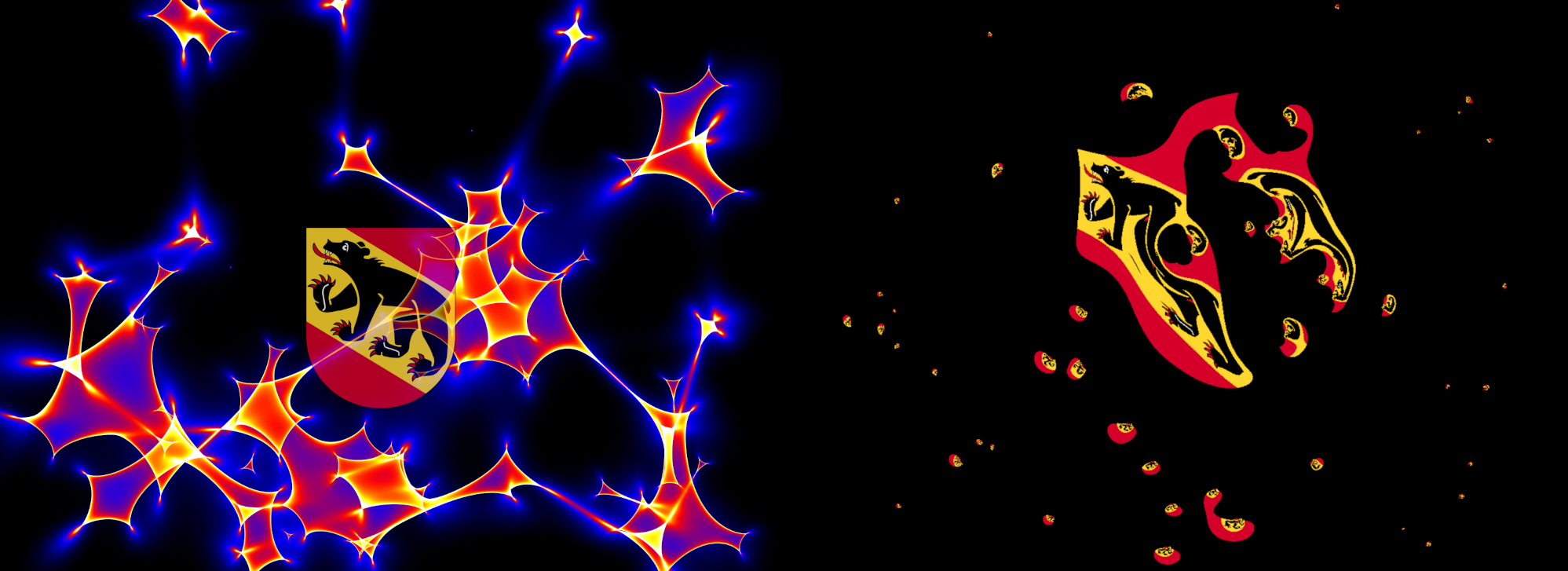
- 밀도가 높은 질량에 의한 빛의 굴절을 시뮬레이션하기 위해 레이-쇼팅 시뮬레이션과 레이 트레이싱 기법을 사용한 미세렌즈 증폭 패턴의 이론적 모델링.
- 관측된 광도 변화 곡선으로부터 소스 크기, 구조 및 렌즈 모수를 추정하기 위해 마르코프 체인 몬테카를로(MCMC) 샘플링을 활용한 베이지안 추론.
- 고해상도 미세렌즈 지도를 사용하여 원반형 에너지 방출 영역과 넓은 선 영역이 미세렌즈 증폭에 어떻게 반응하는지 모델링.
- 계산 비용이 높은 가능성 평가를 줄이기 위해 기계학습을 활용한 빠른 증폭 지도 생성 및 직접적인 모수 추론 적용.
- 다중 에포크 광도 및 스펙트로스코픽 데이터의 통합을 통해 미세렌즈 활성은하핵에서 시간 지연 및 반사 신호를 제약하기 위해.
- 향후 설문조사(예: LSST)에서 자료 수집을 최적화하기 위해 고증폭 사건(HME)을 위한 강력한 트리거 및 예측 기법 개발.
실험 결과
연구 질문
- RQ1어떻게 하면 미세렌즈를 활용해 10−6 초각 이하의 해상도로 활성은하핵 원반형 에너지 방출 영역과 넓은 선 영역의 구조를 맵핑할 수 있는가?
- RQ2미세렌즈 관측은 활성은하핵 방출 영역의 크기와 기하학적 형태에 대해 어떤 제약 조건을 제공하는가?
- RQ3미세렌즈를 통해 렌즈가 있는 은하의 항성 질량 함수와 암흑물질 분포를 어느 정도 탐색할 수 있는가?
- RQ4모델링의 체계적 편향(예: BLR 대비 원반형 에너지 방출 영역 피팅 시)은 유도된 소스 크기의 정확성에 어떤 영향을 미치는가?
- RQ5기계학습과 새로운 데이터 분석 기법은 미세렌즈의 계산적 및 모델링 과제를 극복하는 데 어떤 역할을 할 수 있는가?
주요 결과
- 미세렌즈를 통해 10−6 초각 이하의 해상도로 활성은하핵 구조를 맵핑할 수 있으며, 이는 원반형 에너지 방출 영역과 넓은 선 영역의 미세한 구조를 드러낸다.
- 현재 넓은 선 영역(BLR)과 원반형 에너지 방출 영역을 함께 모델링하는 것은 타당한 모델의 범위를 제한하며, 관측된 광도 변화 곡선을 성공적으로 재현하는 경우는 전체 실현 가능성의 소수에 불과하다.
- BLR 모델링의 체계적 불확실성은 크며, 특히 고해상도 및 대규모의 미세렌즈 지도가 필요하고, 밴드 폭이 넓은 광도에서 BLR와 원반형 에너지 방출 영역의 방출이 혼합되기 때문이다.
- 높은 계산 비용에도 불구하고, 데이터를 성공적으로 재현하는 모델 실현 가능성의 수는 수십 개에 불과하며, 이는 더 복잡한 모델이나 개선된 노이즈 모델링이 필요할 수 있음을 시사한다.
- 기계학습는 증폭 지도 생성 및 직접적인 모수 추론을 가속화하는 데 잠재력을 보이며, 느린 베이지안 샘플링에 대한 의존도를 줄일 수 있다.
- LSST와 같은 대규모 설문조사의 도래는 새로운 스케일러블 분석 방법과 강력한 HME 트리거가 필요하며, 이는 미세렌즈가 우주론적 및 천체물리학적 발견 잠재력을 극대화하는 데 필수적이다.
더 나은 연구,지금 바로 시작하세요
논문 읽기부터 검토까지, 연구 시간을 획기적으로 줄여보세요.
카드 등록 없음 · 무료 플랜 제공
이 리뷰는 AI가 만들고, 인간 에디터가 검토했습니다.