
[논문 리뷰] Online Privacy as a Collective Phenomenon
이 논문은 온라인 프라이버시가 개인의 문제에 국한되지 않고, 사용자의 사회적 네트워크 연락처가 자발적으로 개인 정보를 공개함으로써 발생하는 집단 현상임을 입증한다. 300만 명이 넘는 Friendster 사용자 데이터를 바탕으로 한 연구는, 친구들의 공개 정보로부터 생성된 '섀도우 프로필'(shadow profiles)이 성적 지향성을 높은 정확도로 예측할 수 있음을 보여주며, 특히 넓고 동질적인 사회적 네트워크를 가진 사용자에게서 더욱 두드러진다. 이는 프라이버시 손실이 개인주의적인 것이 아니라 체계적인 현상임을 시사한다.
The problem of online privacy is often reduced to individual decisions to hide or reveal personal information in online social networks (OSNs). However, with the increasing use of OSNs, it becomes more important to understand the role of the social network in disclosing personal information that a user has not revealed voluntarily: How much of our private information do our friends disclose about us, and how much of our privacy is lost simply because of online social interaction? Without strong technical effort, an OSN may be able to exploit the assortativity of human private features, this way constructing shadow profiles with information that users chose not to share. Furthermore, because many users share their phone and email contact lists, this allows an OSN to create full shadow profiles for people who do not even have an account for this OSN. We empirically test the feasibility of constructing shadow profiles of sexual orientation for users and non-users, using data from more than 3 Million accounts of a single OSN. We quantify a lower bound for the predictive power derived from the social network of a user, to demonstrate how the predictability of sexual orientation increases with the size of this network and the tendency to share personal information. This allows us to define a privacy leak factor that links individual privacy loss with the decision of other individuals to disclose information. Our statistical analysis reveals that some individuals are at a higher risk of privacy loss, as prediction accuracy increases for users with a larger and more homogeneous first- and second-order neighborhood of their social network. While we do not provide evidence that shadow profiles exist at all, our results show that disclosing of private information is not restricted to an individual choice, but becomes a collective decision that has implications for policy and privacy regulation.
연구 동기 및 목표
- 사용자의 프라이버시가 친구들의 간접적 공개 행동을 통해 어떻게 영향을 받는지 조사하기 위해.
- 공개적으로 공유된 데이터만을 사용하여 온라인 사회망(осn) 제공자가 사용자 및 비사용자에 대해 비공개 정보를 얼마나 정량적으로 추론할 수 있는지 측정하기 위해.
- 네트워크 구조와 공개 행동이 함께 프라이버시 泄露 위험을 어떻게 증가시키는지 분석하기 위해.
- 개인의 프라이버시 손실을 사회적 연결의 집단적 행동과 연결하는 '프라이버시 泄露 요인'을 제안하고 검증하기 위해.
- 프라이버시가 개인의 결정이라는 가정을 도전하기 위해, 네트워크를 통해 매개되는 체계적인 프라이버시 위험을 입증하기 위해.
제안 방법
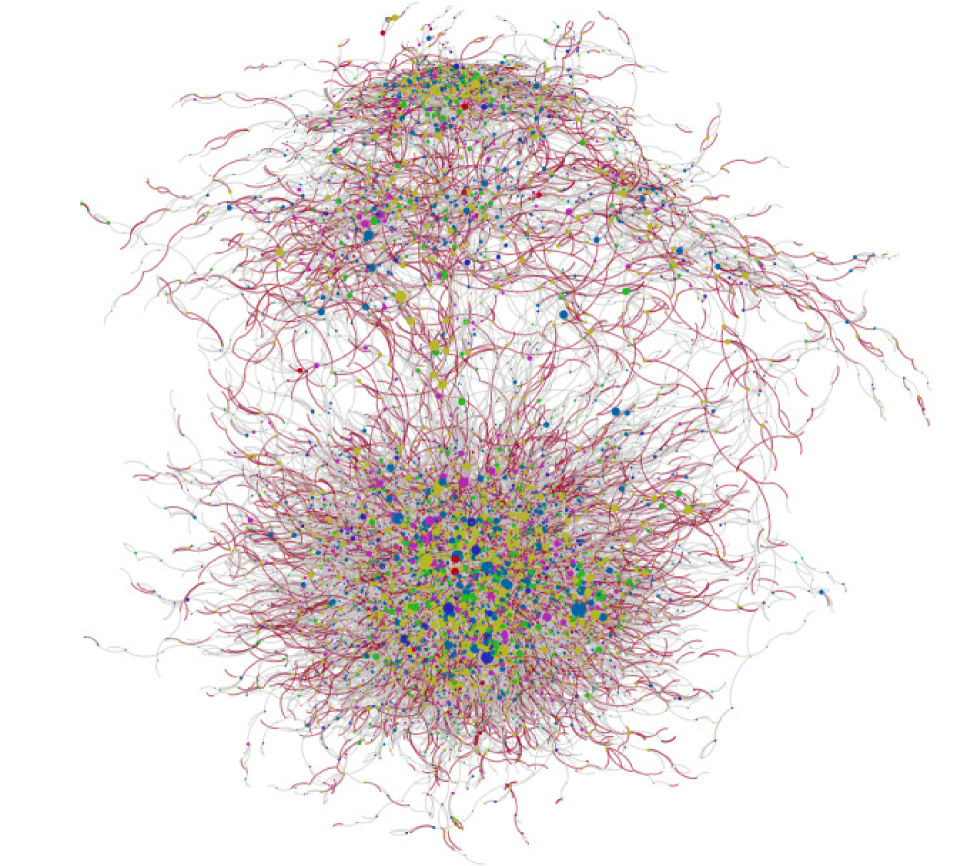
- 330만 명의 Friendster 사용자로부터 실세계 데이터를 사용하였으며, 이들은 성적 지향성을 공개하여 대규모 사회망을 형성하였다.
- 친구들의 공개 정보를 기반으로 사용자 및 비사용자의 예측 프로필인 '섀도우 프로필'의 구축을 모델링하였다.
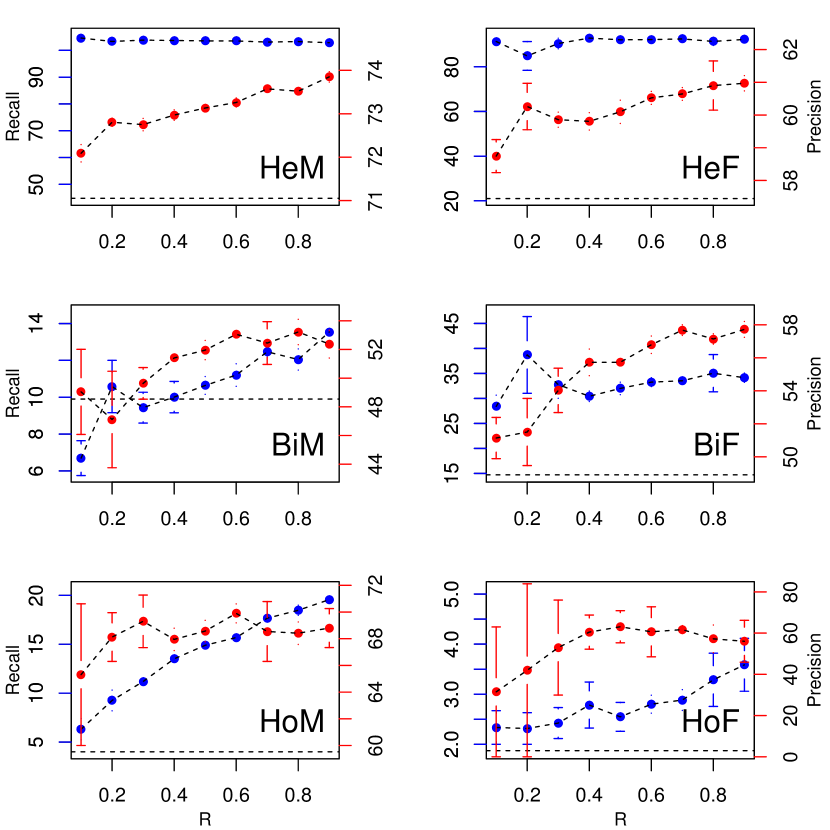
- 실세계의 연락처 목록 공유 비율을 반영하기 위해 공개 비율(ρ ∈ {0.5, 0.7, 0.9})을 파라미터화한 모델을 사용하여 공개 행동을 시뮬레이션하였다.
- 네트워크 기반 특징, 특히 1차 및 2차 이웃 구조와 동질성(homophily)을 활용하여 성적 지향성의 예측 정확도를 계산하였다.
- 네트워크 크기와 동질성이 프라이버시 泄露에 미치는 영향을 평가하기 위해 통계 모델링을 적용하였으며, 각 파라미터 조합에 대해 10회 반복하여 안정성을 확보하였다.
- 프라이버시 泄露 요인은 네트워크 크기와 공개 행동의 함수로 정의되며, 집단적 프라이버시 위험을 정량화한다.
실험 결과
연구 질문
- RQ1OSN 제공자가 사용자의 친구들이 공개한 정보만으로도 사용자의 비공개 정보를 얼마나 정확하게 추론할 수 있는가?
- RQ2사용자의 사회적 네트워크 크기와 동질성이 섀도우 프로필을 통한 프라이버시 泄露 위험에 어떻게 영향을 미치는가?
- RQ3OSN에 계정이 없으면 프라이버시가 더 보장되는가, 아니면 비사용자도 연결된 친구들의 공개로 프로파일링될 수 있는가?
- RQ4네트워크 구성원들의 공개 행동이 성적 지향성과 같은 비공개 특성의 예측 가능성에 어떻게 영향을 미치는가?
- RQ5네트워크 구조와 정렬성(assortativity)이 사용자 및 비사용자 모두의 프라이버시 위험에 미치는 정량적 영향은 무엇인가?
주요 결과
- 사용자의 1차 및 2차 사회적 네트워크 크기가 커질수록 프라이버시 泄露 요인이 크게 증가하여, 넓은 네트워크가 프라이버시 위험을 증폭시킨다는 점을 시사한다.
- 부분적 섀도우 프로필에서 동성애자 남성의 성적 지향성 예측 정확도는 异성애자 남성보다 높으며, 이는 더 높은 네트워크 동질성 때문일 수 있다.
- 비사용자는 친구가 개인 정보를 공개할 경우, 특히 그 친구가 넓고 동질적인 네트워크를 가진 경우 상당한 프라이버시 泄露 위험에 노출된다.
- 연구는 네트워크 동질성과 프라이버시 泄露 증가 사이에 강한 상관관계를 규명하였으며, 특히 친구들이 높은 비율(ρ = 0.9)로 연락처 목록을 공유할 경우 두드러진다.
- 계정이 없더라도 친구가 민감한 정보를 공개할 경우 개인은 높은 정확도로 프로파일링될 수 있으며, 이는 비참여만으로도 프라이버시가 보호되지 않음을 보여준다.
- 결과적으로 프라이버시 손실은 개인의 선택이 아니라 집단적 행동의 체계적 결과이며, 네트워크 구조가 이 위험을 증폭시킨다는 점을 입증한다.
더 나은 연구,지금 바로 시작하세요
논문 읽기부터 검토까지, 연구 시간을 획기적으로 줄여보세요.
카드 등록 없음 · 무료 플랜 제공
이 리뷰는 AI가 만들고, 인간 에디터가 검토했습니다.