
[논문 리뷰] Systemic Risk and Vulnerability Analysis of Multi-cloud Environments
이 논문은 STRIDE와 DREAD를 사용하여 아키텍처, API, 인증, 자동화, 관리 차이, 법제의 공격 벡터를 식별·순위화하고 다중 클라우드 환경의 전반적 위험 및 취약성 분석을 수행하고 완화책을 제시한다.
With the increasing use of multi-cloud environments, security professionals face challenges in configuration, management, and integration due to uneven security capabilities and features among providers. As a result, a fragmented approach toward security has been observed, leading to new attack vectors and potential vulnerabilities. Other research has focused on single-cloud platforms or specific applications of multi-cloud environments. Therefore, there is a need for a holistic security and vulnerability assessment and defense strategy that applies to multi-cloud platforms. We perform a risk and vulnerability analysis to identify attack vectors from software, hardware, and the network, as well as interoperability security issues in multi-cloud environments. Applying the STRIDE and DREAD threat modeling methods, we present an analysis of the ecosystem across six attack vectors: cloud architecture, APIs, authentication, automation, management differences, and cybersecurity legislation. We quantitatively determine and rank the threats in multi-cloud environments and suggest mitigation strategies.
연구 동기 및 목표
- 제공자 보안 역량의 불균형으로 인한 다중 클라우드 환경 전반에 대한 전체적 보안의 필요성을 동기 부여한다.
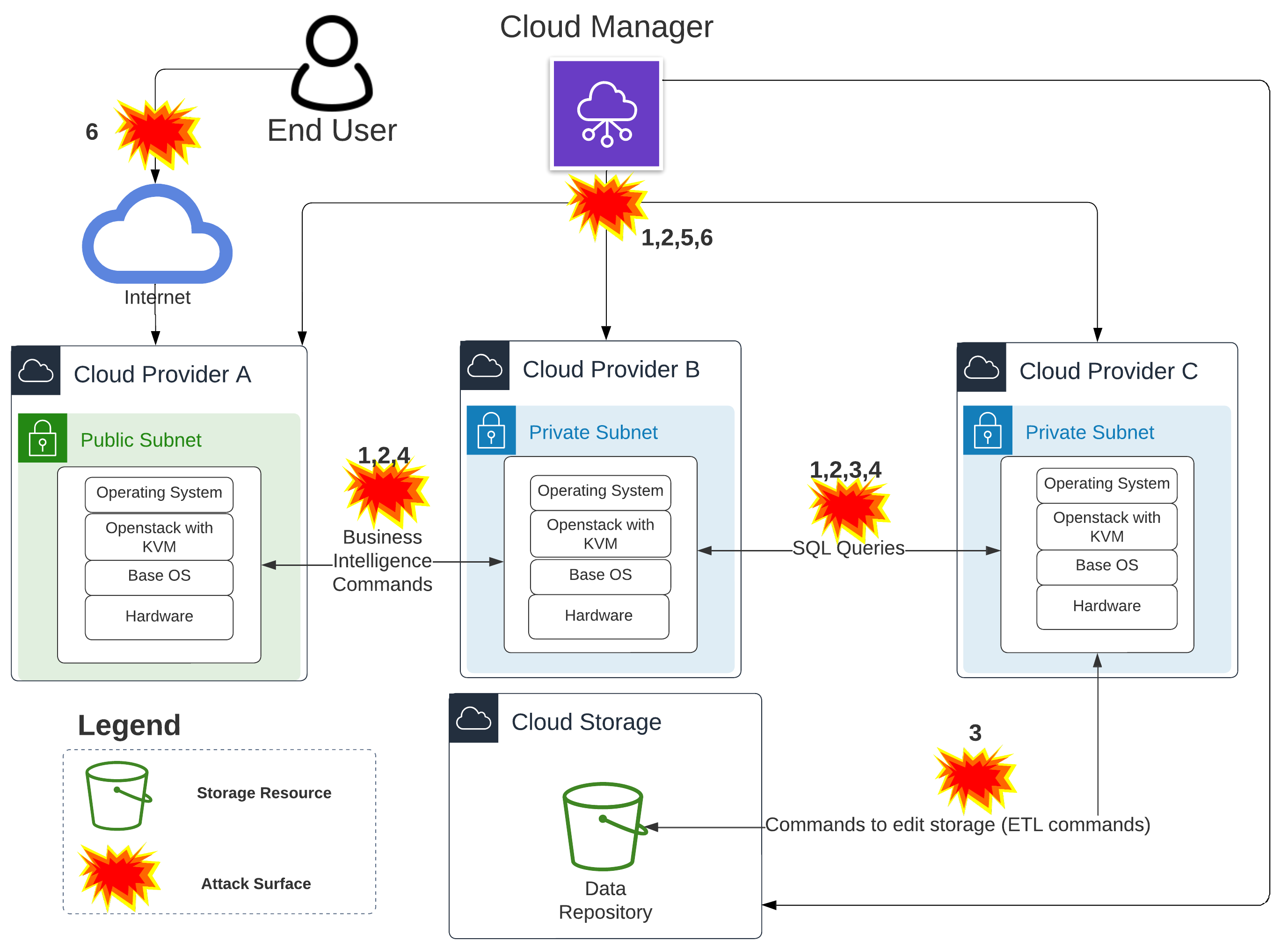
- 상호 운용성 위험을 연구하기 위해 대표적인 다중 클라우드 아키텍처와 공격 표면을 정의한다.
- STRIDE를 적용하여 공격 벡터를 분류하고 DREAD를 적용하여 위험을 정량화하고 순위를 매긴다.
- 다중 클라우드 보안 태세를 개선하기 위한 각 공격 벡터별 완화책을 식별한다.
제안 방법
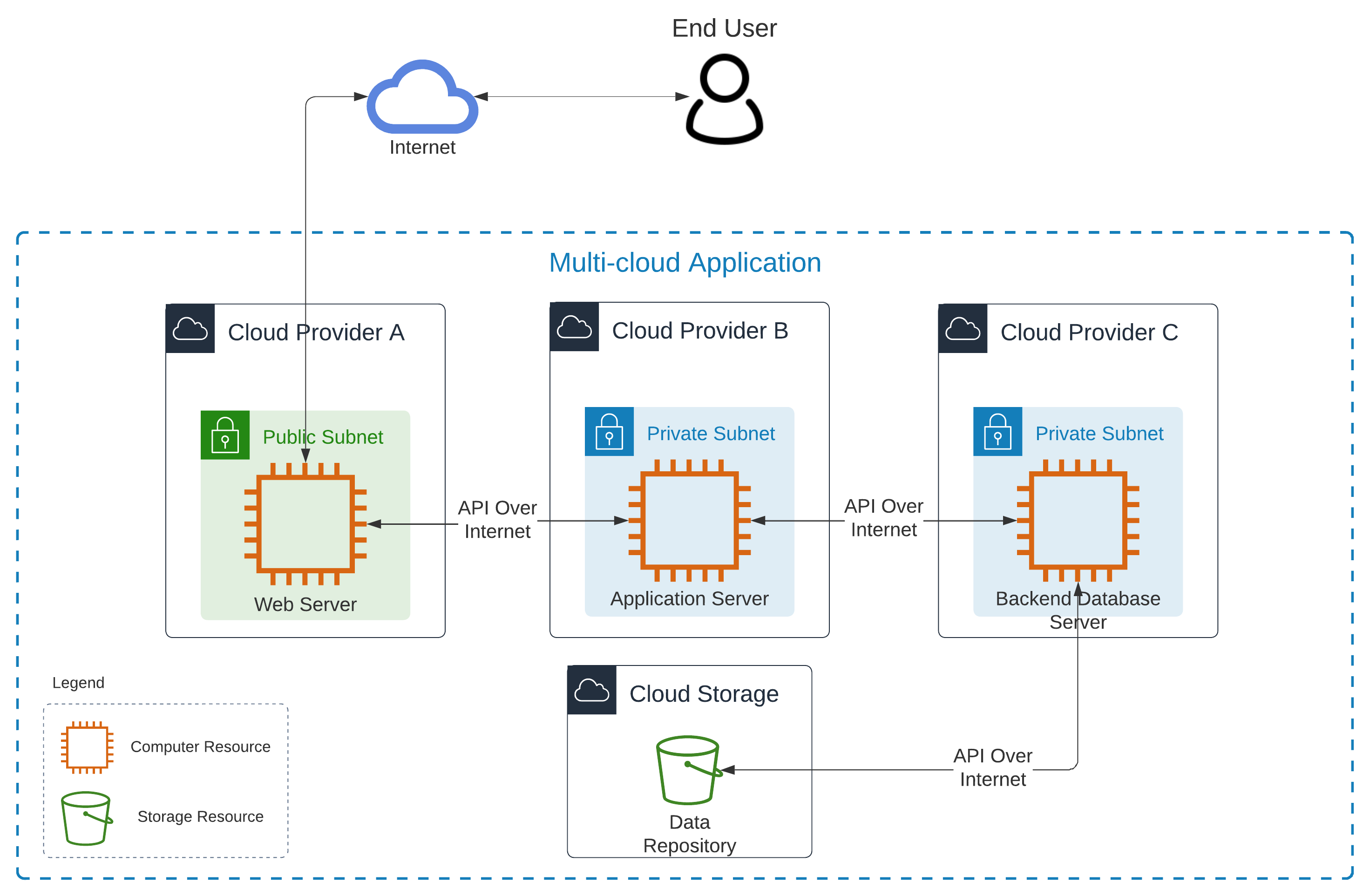
- 제공자 간에 분산된 3계층 다중 클라우드 웹 애플리케이션 아키텍처를 모델링한다.
- 아키텍처, API, 인증, 자동화, 관리 차이, 법제에 걸친 공격 벡터를 식별하고 분류하기 위해 STRIDE를 사용한다.
- 각 위협 범주에 대해 정량적 위험 점수를 할당하고 완화책의 우선순위를 정하기 위해 DREAD를 적용한다.
- 식별된 위험에 대해 다중 요인 인증 및 특권 계정 관리와 같은 실용적 완화책을 제안한다.
실험 결과
연구 질문
- RQ1다중 클라우드 환경에서 아키텍처, API, 인증, 자동화, 관리, 법제를 고려할 때 어떤 공격 벡터가 나타나는가?
- RQ2STRIDE를 어떻게 사용해 이러한 벡터를 분류하고 다중 클라우드 환경에서 그 위험을 DREAD로 정량적으로 rank할 수 있는가?
- RQ3식별된 다중 클라우드 공격 벡터 전반에 걸쳐 위험을 줄이기 위해 가장 효과적인 완화책은 무엇인가?
주요 결과
- 다중 클라우드 설정에서 여섯 가지 공격 벡터에 걸쳐 위협이 식별되고 분류된다.
- 위협의 우선순위를 매기고 완화 노력을 안내하기 위해 위험 점수를 정량적으로 산출한다(DREAD를 통해).
- 각 공격 벡터에 대해 다중 요인 인증 및 특권 계정 관리와 같은 전략이 포함된 완화책이 제시된다.
- 연구는 다중 클라우드 환경에서 보안 문제의 근본 원인으로 상호 운용성 도전과제를 강조한다.
더 나은 연구,지금 바로 시작하세요
연구 설계부터 논문 작성까지, 연구 시간을 획기적으로 줄여보세요.
카드 등록 없음 · 무료 플랜 제공
이 리뷰는 AI가 만들고, 인간 에디터가 검토했습니다.